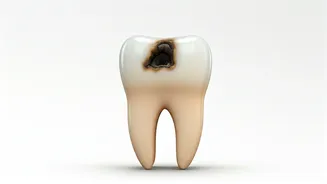







The Growing Problem
The prevalence of cavities in young children has seen a significant upswing, sparking worries among parents and dental professionals alike. This surge
isn't just a random occurrence; it's a reflection of various lifestyle changes and habits that impact a child's oral health. Increased sugar consumption, coupled with potentially inadequate oral hygiene routines, forms a dangerous combination. Without proactive measures, the risk of developing cavities escalates, potentially leading to discomfort, infections, and even more serious dental issues that can impact overall well-being. Recognizing the problem is the first step toward finding solutions. This includes understanding the specific causes and implementing strategies to mitigate them, thereby protecting the dental health of the younger generation.
Dietary Culprits
A child's diet plays a pivotal role in the development of cavities. Foods and drinks high in sugars and carbohydrates are the primary culprits. Frequent snacking on sugary treats, such as candies, cookies, and sweetened beverages, creates a constant supply of food for bacteria in the mouth. These bacteria then produce acids that erode tooth enamel, the protective outer layer of the teeth. Juice boxes, even those marketed as 'fruit' drinks, often contain considerable amounts of sugar, adding to the problem. The prolonged exposure to these sugars, particularly when children are constantly sipping on sweet drinks or snacking, exacerbates the risk. It's crucial for parents to be mindful of their children's dietary choices and to limit the intake of sugary and starchy foods to protect their teeth.
Oral Hygiene Basics
Proper oral hygiene is critical in warding off cavities in toddlers. Regular and thorough brushing is the cornerstone of a healthy dental routine. Parents should begin brushing their child's teeth as soon as the first tooth erupts, using a soft-bristled toothbrush and a small amount of fluoride toothpaste, no more than the size of a grain of rice. Brushing should be done twice daily, ideally in the morning and before bedtime. Parents should oversee or assist their toddlers with brushing until they are approximately seven or eight years old, ensuring all surfaces of the teeth are cleaned effectively. Flossing, while more challenging for toddlers, should also be introduced when the teeth begin to touch each other. Establishing these good habits early on can set the stage for a lifetime of healthy smiles.
Fluoride's Protection
Fluoride is a powerful weapon in the fight against tooth decay, working by strengthening tooth enamel and making it more resistant to acid attacks. Fluoridated toothpaste is a widely accessible and effective way to introduce fluoride into a child's oral care routine. It's important to use the correct amount of toothpaste and to ensure the child doesn't swallow it. Professional fluoride treatments, such as those provided by dentists, can offer an extra layer of protection, especially for children at higher risk of developing cavities. These treatments involve applying a concentrated fluoride solution to the teeth, further fortifying the enamel. Regular dental check-ups, including fluoride applications when appropriate, are an integral part of maintaining optimal oral health for young children.
Dental Check-ups Matter
Regular visits to a pediatric dentist are essential for preventing and managing cavities in toddlers. The dentist can perform a thorough examination, identify any early signs of decay, and provide preventive treatments. These check-ups also provide an opportunity for parents to ask questions and receive personalized advice on oral hygiene and dietary habits. Dental professionals can also perform professional cleanings, which remove plaque and tartar buildup that can contribute to cavity formation. Early detection is key, as small cavities can be treated with minimal intervention, such as fluoride varnish or small fillings. Waiting until a cavity becomes painful or noticeable can lead to more complex and costly treatments. Making dental visits a positive and routine part of a child's healthcare can pave the way for a lifetime of good oral health.
Preventative Strategies
Implementing a proactive approach that combines good oral hygiene practices, a balanced diet, and regular dental check-ups is the best way to prevent cavities in toddlers. Limit sugary snacks and drinks, and encourage children to drink water between meals. Make brushing a fun and engaging activity by using flavored toothpaste or letting them choose their toothbrush. Consider using a timer to ensure they brush for the recommended two minutes. Reward good oral hygiene habits with non-food incentives, such as stickers or extra playtime. Teach them the importance of oral hygiene at an early age to ingrain the habit. Creating a comprehensive approach with consistent reinforcement will safeguard a toddler's smile, reducing the need for treatments down the line.