






Heart's Astonishing Size
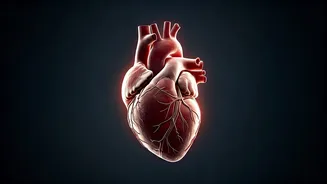
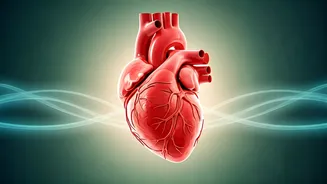
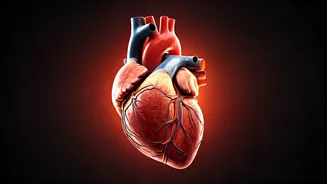
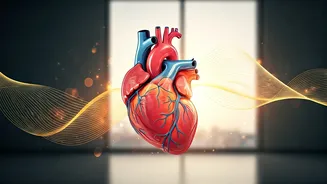
Did you know that your heart, the relentless engine of your circulatory system, is remarkably compact? According to cardiovascular surgeon Dr. Jeremy London,
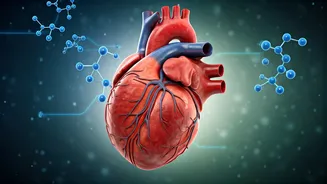
who boasts over 25 years of experience, the human heart is approximately the same size as your own clasped hands. This seemingly small organ, tucked away within your chest, performs a colossal task, pumping an immense volume of blood throughout your body every single second of your life. Its compact nature belies its extraordinary power and critical role in sustaining life, illustrating nature's efficiency in designing such a vital organ within a limited physical space.
Daily Pumping Power
The sheer volume of work your heart undertakes daily is astounding. Dr. Jeremy London highlights that this diligent muscle beats an incredible 100,000 times every 24 hours. With each beat, it efficiently pumps approximately two ounces of blood, totaling a staggering amount of nearly 2,000 gallons of blood circulated throughout your body daily. This constant, tireless effort ensures that oxygen and vital nutrients are delivered to every cell, a process that occurs without conscious effort from you, underscoring the heart's indispensable function and remarkable endurance.
Vast Vascular Network
Beyond the heart itself, consider the expansive network of blood vessels it serves. Dr. London reveals an astonishing fact about the entirety of your circulatory system: if you were to lay out all of your arteries, veins, and capillaries end to end, they would stretch an incredible 60,000 miles. This immense length underscores the intricate and far-reaching nature of the human vascular system, capable of reaching every corner of your body to facilitate the continuous flow of blood, a testament to the complexity and scale of our internal plumbing.
The Real Broken Heart
Perhaps one of the most surprising facts shared by Dr. London is the medical reality of 'broken heart syndrome,' also known as stress-induced cardiomyopathy. This condition is a genuine diagnosis that can present with symptoms indistinguishable from a heart attack, such as chest pain and shortness of breath. However, upon examination, doctors find no blockages in the coronary arteries. Instead, there's a sudden weakening of the heart muscle's pumping strength, often triggered by intense emotional distress like grief or significant life changes. While most individuals recover with support and time, the syndrome can be fatal in a small percentage of cases, emphasizing that emotional well-being is intrinsically linked to cardiovascular health.