






Date and Time
Makar Sankranti, a festival deeply rooted in the Hindu calendar, is observed with great fervor, marking the Sun's shift into the zodiac sign of Capricorn.
It is a moment of cultural and spiritual significance for many. This yearly celebration typically falls on the 14th of January, but due to astronomical shifts, the actual date may vary. Therefore, the exact timings of Makar Sankranti are very crucial. In 2026, Makar Sankranti will be celebrated on January 14th. The precise moment of the Sankranti, when the Sun enters Capricorn, dictates the commencement of the festival. This moment is determined by astronomical calculations and is usually provided by the panchang or the Hindu calendar. The Uttarayana period begins with Makar Sankranti. The accurate timing of this celestial event helps devotees perform rituals and celebrate with the appropriate traditions.
Muhurat Significance
The muhurat, or auspicious time, is incredibly significant during Makar Sankranti. It is the most auspicious time to perform religious rituals, make donations, and celebrate. The panchang, a traditional Hindu almanac, provides details about the specific muhurat timings. Several factors influence the muhurat. These include the position of the Sun and other celestial bodies. During Makar Sankranti, specific rituals such as taking a holy bath, performing Surya Puja (worship of the Sun), and offering donations are carried out. Performing these activities during the auspicious muhurat maximizes the positive effects of the day. Devotees often prepare special foods, such as khichdi, ladoos, and other sweets. These are offered to the deities and shared among friends and family during this time, further enhancing the festive atmosphere and the significance of the muhurat.
Uttarayan's Importance
Makar Sankranti marks the beginning of Uttarayana, the northward journey of the Sun. This celestial event carries immense significance, symbolizing the shift from the winter solstice to longer days and increased sunlight. Uttarayana is considered an auspicious period for spiritual practices. It is when the gods awaken, and is also believed to be an ideal time for new beginnings. Traditionally, this period is associated with positive energy and growth. It's a time for devotees to seek blessings and undertake activities that promote well-being. The significance of Uttarayana extends to various aspects of life, including new ventures and spiritual pursuits. It is believed that actions performed during Uttarayana yield favorable results. The focus on positivity and renewal is at the heart of the celebrations and traditions associated with Makar Sankranti.
Celebrations Across India
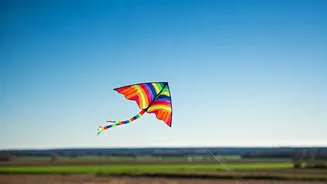
Makar Sankranti is celebrated in diverse ways throughout India, reflecting the cultural richness of the nation. Each region has its own unique traditions and practices. In many parts of India, kite flying is a popular activity during Makar Sankranti. People gather to fly colorful kites. It symbolizes the arrival of the spring season. In states like Gujarat and Rajasthan, kite festivals are held, attracting both locals and tourists. In some regions, people prepare special dishes. These include sweet rice, sesame seeds ladoos, and other delicacies. These are shared with family and friends. This strengthens community bonds. The festival often involves fairs, melas, and cultural performances, highlighting the spirit of joy and togetherness. Makar Sankranti is thus a unifying festival. It brings people together across different states.
Rituals and Customs
Numerous rituals and customs are observed during Makar Sankranti, deeply rooted in Hindu tradition. Devotees often take a holy dip in sacred rivers or lakes. This is believed to cleanse them of their sins. Surya Puja, the worship of the Sun God, is a common practice on this day. Prayers and offerings are made to the Sun to seek blessings for health and prosperity. Donations to the needy are considered highly auspicious during Makar Sankranti. Giving alms is believed to bring good fortune. Some people also perform specific rituals at home. These include the preparation of traditional foods and the recitation of mantras. These practices vary depending on the region and the community. But all contribute to the overall spiritual significance of the festival.
Significance & Spirituality
Makar Sankranti holds great spiritual significance for Hindus. It marks a transition to a more positive and auspicious time, both literally and figuratively. The festival is a celebration of the Sun, the giver of life. It also symbolizes the victory of light over darkness. Many believe that performing good deeds during Makar Sankranti yields positive karmic results. This is a time to reflect on the past year and set intentions for the future. The festival encourages people to renew their commitment to their spiritual practices. It fosters a sense of community and shared values. Makar Sankranti serves as a reminder of the importance of living a virtuous life. It encourages people to express gratitude and to seek blessings for their well-being.