



Manipur's Lifeline
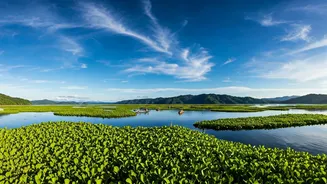
Loktak Lake, situated in the vibrant state of Manipur, stands as the most expansive freshwater lake in Northeast India, serving as a crucial water source
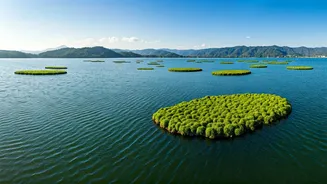
for the region. Its expansive, shimmering surface is a defining feature of the landscape, supporting local communities through vital fishing activities and irrigation, while also drawing admiration for its distinctive natural allure. The lake is not just a body of water; it's an integral part of the local identity and economy, a constant presence that sustains life and captivates observers with its serene, yet dynamic, beauty. The presence of numerous green patches across its waters hints at the unique biological processes at play, contributing to its rich ecological significance.
The Enigmatic Phumdis
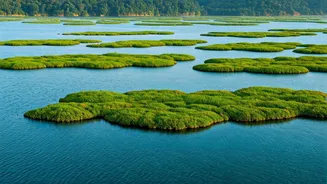
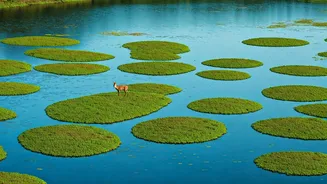
The most striking characteristic of Loktak Lake is its remarkable 'phumdis' – natural, buoyant islands formed from a dense amalgamation of vegetation, soil, and decaying organic matter. These substantial mats of living and dead plant material float serenely on the lake's surface, with a significant portion of their mass submerged, much like submerged icebergs. Some of these phumdis are so large and robust that they can accommodate entire dwellings and small agricultural plots cultivated by the local inhabitants. This unique geological phenomenon creates a surreal, ever-shifting landscape that is both a challenge and a blessing to those who live in its vicinity.
Life on Water
For generations, fishing communities have cultivated a deep and symbiotic relationship with Loktak Lake, establishing their homes on smaller phumdis in floating huts known as 'phumsangs.' These communities practice a sustainable approach to fishing, adhering to traditional methods that are intrinsically linked to the lake's natural cycles. Their way of life is a beautiful testament to human adaptation and resilience, demonstrating how people can thrive in harmony with an unusual and dynamic environment. The presence of these floating villages adds a vibrant human element to the already captivating scenery, offering a glimpse into a lifestyle that is deeply connected to the rhythm of the water.
World's Sole Floating Park
On the southeastern expanse of Loktak Lake lies the Keibul Lamjao National Park, an area of approximately 40 square kilometers that holds the unparalleled distinction of being the planet's only national park situated entirely on a floating mass. This protected wetland was established with the primary objective of safeguarding its delicate and unique ecosystem. The entire park exists upon a colossal phumdi that undergoes a natural elevation and subsidence in sync with the fluctuating water levels of the lake. This extraordinary characteristic makes Keibul Lamjao a truly exceptional and singular natural wonder, unlike any other protected area in the world.
A Dynamic Habitat
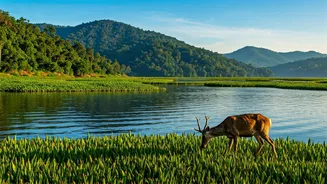
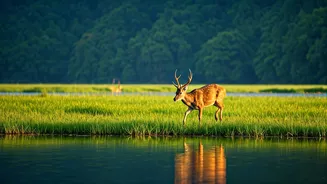
The floating meadows of Keibul Lamjao National Park constitute an ecological niche that is unparalleled globally. These phumdis provide essential grazing areas, safe havens, and crucial breeding grounds for the diverse wildlife that inhabits the park, most notably the Sangai deer. The annual ebb and flow of the lake's water levels cause the park's surface to transform and migrate, contributing to its mystical and perpetually changing character. This constant flux creates a resilient habitat that adapts to seasonal shifts, ensuring the survival of its inhabitants and the perpetuation of its unique biological processes.
Home of Sangai
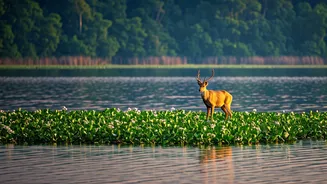
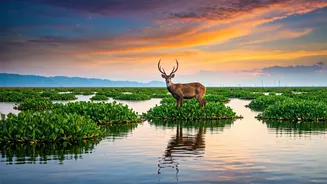
This remarkable park serves as the last remaining natural sanctuary for the critically endangered Manipur brow-antlered deer, affectionately known by its local name, the 'Sangai.' Celebrated as the 'dancing deer,' this graceful creature navigates the spongy phumdis with an elegant gait, its delicate hooves perfectly adapted to the peculiar floating terrain. Having once been on the brink of extinction, the Sangai has become a potent symbol of conservation success and is proudly recognized as the state animal of Manipur, representing hope and the successful efforts to preserve this unique species.
Abundant Wildlife
Beyond the iconic Sangai, Loktak Lake and its surrounding national park teem with a rich tapestry of life. The area provides a vital habitat for species such as hog deer and otters, and it becomes a bustling hub for numerous species of waterfowl and migratory birds, particularly during the winter months. The phumdis themselves are ecosystems teeming with a variety of aquatic plants and smaller fauna, contributing to Loktak's designation as a vital Ramsar wetland site of international importance. This exceptional biodiversity not only sustains the natural world but also underpins the livelihoods of the local communities who depend on the lake's bounty.
Preserving a Treasure
Recognized as a tentative UNESCO World Heritage site, Loktak Lake and its Keibul Lamjao National Park are currently grappling with significant environmental pressures. Challenges such as fluctuating water levels, pollution from various sources, and increasing habitat stress pose threats to this delicate ecosystem. The diligent preservation of this 'Jewel of Manipur' is paramount for the continued existence of the Sangai and the integrity of the unique wetland environment it inhabits. Visitors who experience this extraordinary natural wonder often depart with indelible memories of one of nature's most awe-inspiring creations, a testament to its enduring beauty and ecological significance.