







The Yawn Phenomenon
Have you ever observed how a single yawn can set off a chain reaction, causing others in the vicinity to yawn as well? This common occurrence, noticed
by many, especially children, isn't merely a coincidence. Researchers have pinpointed this intriguing behavior to our brain's sophisticated 'mirror system.' This innate instinct, present in both humans and various animal species, profoundly highlights our inherent social connections and capacity for empathy. It demonstrates a fundamental design of our minds to synchronize and resonate with the experiences and actions of those around us, making yawning a curious yet powerful indicator of our interconnectedness.
What is Yawning?
At its core, a yawn is a deep, deliberate inhalation where the mouth opens wide, the lungs fill with air, and this air is then slowly exhaled. Typically, yawns occur when an individual feels tired, often appearing as they wake up or prepare for sleep. However, scientists propose that yawning might serve a dual purpose: it could help maintain brain alertness by introducing fresh oxygen, and it may also assist in regulating brain temperature. Beyond its physiological function, yawning exhibits a peculiar social characteristic – its tendency to spread from one person to another, making it a subject of much scientific curiosity and study.
Contagious Yawning Explained
The phenomenon of contagious yawning, where observing someone else yawn triggers a similar response, is a remarkable testament to our brain's imitative capabilities. Our brains are adept at mirroring actions seen in others. When we witness someone stretching, laughing, or smiling, our brains can instinctively prompt us to perform similar actions. Yawning operates on this principle; the sight of a wide-open mouth and the deep inhale can silently send a signal to our own brains, encouraging us to replicate the behavior. This imitative process often occurs rapidly and subtly, frequently without conscious awareness.
The Mirror Neuron System
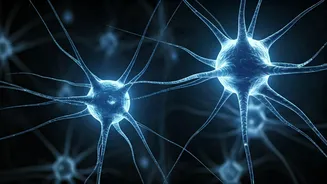
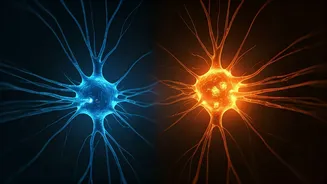
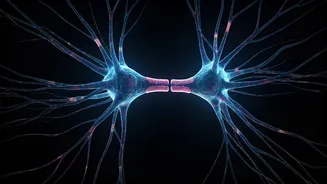
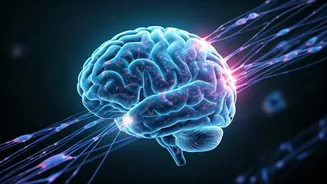
Deep within our brains reside specialized nerve cells known as mirror neurons. These remarkable cells become active not only when we perform an action ourselves but also when we observe someone else performing the exact same action. For instance, if a child sees another person clapping, laughing, or yawning, these mirror neurons fire, creating a neural representation that can lead to the child mirroring the behavior. This neural mechanism is fundamental to our ability to learn through observation and provides a powerful explanation for why yawning is so easily transmitted within social groups.
Empathy and Social Bonds
Intriguing research suggests a strong correlation between contagious yawning and empathy. Studies indicate that individuals are more prone to 'catching' a yawn from people they know well, such as friends, family, or classmates, rather than from strangers. This tendency is believed to be linked to empathy, our capacity to understand and share the feelings of others. Our brains naturally focus more intently on individuals with whom we have a close connection. Consequently, when a familiar person yawns, our brain is more likely to register and promptly imitate the action, underscoring how deeply ingrained our social connections are.
Beyond Humans: Animal Yawning
The fascinating behavior of contagious yawning is not exclusive to humans; it has also been observed in the animal kingdom. Scientists have documented instances of dogs yawning shortly after their owners have yawned. Similarly, chimpanzees, which share a close evolutionary relationship with humans, exhibit this same contagious yawning pattern. This widespread occurrence suggests that contagious yawning is intrinsically linked to social bonding and affiliation within groups. Animals that live in close social proximity often demonstrate a tendency to mimic each other's behaviors, reinforcing the idea that this yawn contagion plays a role in strengthening group cohesion.
Brain Connections Revealed
While yawning might appear to be a simple, involuntary reflex, it offers profound insights into the intricate workings of the human brain. Our brains are continuously engaged in observing, learning from, and responding to the actions of those around us. This constant state of interaction is why laughter can spread rapidly through a crowd, why smiles can be infectious, and why yawns can subtly transfer from one individual to another. Therefore, the next time you find yourself yawning in response to someone else, remember it's not magic, but a clear demonstration of the deep and complex connections that bind us together.