









The Toxic Breath of Heat
Across many Indian cities, the relentless rise in temperatures is unfortunately intensifying air pollution, forging a perilous alliance that gravely impacts
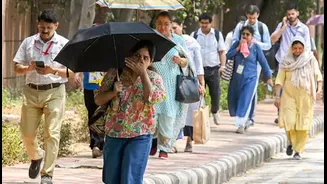
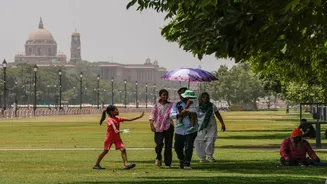
individuals with conditions like asthma, Chronic Obstructive Pulmonary Disease (COPD), and other respiratory ailments. Medical professionals are increasingly observing this situation as a 'double burden,' where the body must simultaneously contend with extreme heat and a cocktail of harmful airborne particles. Research consistently demonstrates that elevated temperatures act as catalysts, exacerbating air quality issues by increasing ground-level ozone concentrations and trapping hazardous pollutants close to the surface. For susceptible populations, this combination can trigger severe respiratory distress and necessitate urgent medical care, highlighting a critical public health concern in urban environments. The interplay between heat and pollution creates a challenging scenario for vulnerable respiratory systems.
Why Heat Amplifies Pollution
During periods of intense heat, the Earth's atmosphere often becomes unusually still. Instead of pollutants being efficiently dispersed into higher altitudes, the hot air lingers, trapping contaminants closer to the ground. This stagnation allows harmful substances to accumulate in urban areas for extended durations. As temperatures climb, pollutants such as fine particulate matter (PM2.5 and PM10), nitrogen dioxide, and ozone begin to concentrate in the air. Scientists also note that extreme heat accelerates the chemical reactions occurring between emissions from vehicles, industrial activities, and other sources, leading to a higher formation of ground-level ozone, a primary component of smog. This ozone is particularly detrimental as it directly irritates the delicate lining of the airways and lungs. In densely populated urban settings, the 'urban heat island effect,' exacerbated by concrete structures and heavy traffic, further traps heat and pollutants, intensifying the problem.
Breathing Under Pressure
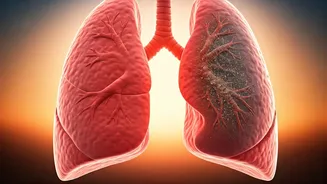
The human body expends significantly more energy to regulate its temperature during hot weather, placing increased physical stress on vital organs, particularly the lungs and heart. When this elevated physiological demand is compounded by the presence of polluted air, the respiratory system faces an even greater challenge. Medical experts explain that breathing hot, contaminated air can inflame the airways, increase inflammation within the lungs, and cause the muscles surrounding the airways to constrict. Furthermore, it can thicken and make mucus more viscous, impeding the lungs' capacity for efficient oxygen exchange. Consequently, individuals may experience heightened coughing, wheezing, a sensation of chest tightness, and pronounced difficulty in breathing. For those managing asthma or COPD, these physiological changes can rapidly escalate into severe flare-ups and medical emergencies.
Asthma's Heatwave Woes
Individuals with asthma are particularly susceptible to the adverse effects of heatwaves due to their already sensitive and reactive airways. Doctors identify several common triggers associated with hot weather that can significantly worsen asthma symptoms. These include elevated levels of ground-level ozone, airborne dust particles, smoke, pollen, vehicle exhaust fumes, and high humidity. Many asthmatics report experiencing more frequent bouts of wheezing during warmer periods. Other common manifestations include increased breathlessness, chest tightness, persistent coughing, particularly at night, and a greater reliance on their rescue inhalers. Children are at a heightened risk because their lungs are still in development, and their faster breathing rate leads to increased inhalation of polluted air.
COPD's Amplified Danger
For individuals already living with COPD, heatwaves can present a particularly perilous situation. COPD inherently compromises lung function and diminishes the respiratory system's resilience to environmental stressors. During periods of extreme heat, the simple act of breathing becomes more arduous, potentially leading to a further drop in oxygen saturation levels. Medical professionals observe that rising temperatures can cause airway narrowing, exacerbate feelings of fatigue, and increase the buildup of mucus within the lungs. Moreover, heat-induced dehydration can thicken this mucus, making it considerably more challenging for patients to breathe effectively. Extensive research has established a correlation between prolonged exposure to heat and elevated rates of hospitalization and mortality among COPD patients.
Lingering Smog's Shadow
A less recognized but significant danger is that the respiratory symptoms triggered by heatwaves and smog do not always abate immediately once temperatures begin to decrease. Experts caution that individuals may continue to suffer from health repercussions for several days even after the heatwave or episode of poor air quality has passed. Symptoms such as a persistent cough, shortness of breath, fatigue, disrupted sleep patterns, increased mucus production, and a reduced capacity for physical activity can persist long after the weather conditions improve. Because these symptoms might manifest gradually or appear later, many individuals tend to underestimate the profound impact that combined heat and air pollution can have on their lung health.
Recognizing Critical Signs
Healthcare providers emphasize the importance of seeking immediate medical attention if severe shortness of breath, chest pain, or continuous wheezing occurs during a heatwave. Other critical warning signs that should never be disregarded include a bluish tint to the lips or fingertips, confusion, significant difficulty speaking due to breathlessness, a high fever accompanied by breathing distress, or a sudden and dramatic worsening of existing asthma or COPD symptoms. Prompt evaluation is crucial to prevent serious complications and ensure timely intervention for respiratory emergencies that may arise during periods of extreme weather and poor air quality.
Who's Most At Risk?
Certain demographic groups are inherently more vulnerable when heatwaves coincide with episodes of poor air quality. Elderly individuals and young children fall into this high-risk category because their bodies possess less efficient mechanisms for regulating temperature. People already diagnosed with asthma, COPD, heart disease, or compromised lung function are also at significantly elevated risk. Additionally, smokers, individuals who work outdoors for extended periods, and those residing in densely populated urban areas may face greater and more prolonged exposure to both intense heat and polluted air. Even brief exposure to these combined environmental stressors can prove exceptionally challenging for individuals whose respiratory systems are already weakened.
Shielding Your Lungs
Adopting simple preventative measures can substantially reduce the risk of respiratory complications during heatwaves. It is advisable to stay indoors, particularly during the hottest parts of the day, typically between 11 am and 4 pm, when both temperature and pollution levels tend to peak. Regularly checking the Air Quality Index (AQI) can also help individuals plan their activities and avoid outdoor exertion on days when pollution levels are high. Experts recommend maintaining clean indoor air by keeping windows closed during periods of heavy pollution and utilizing fans, air conditioning, or air purifiers if they are available. Staying well-hydrated is also paramount, as dehydration can dry out airways and thicken mucus, hindering proper respiratory function. Avoiding strenuous outdoor exercise during heatwaves is crucial, as increased physical activity elevates breathing rate and pollutant intake.
Climate Change's Escalation
Scientists and medical professionals are increasingly sounding the alarm that climate change is projected to lead to more frequent and intense heatwaves, alongside more severe air pollution events, especially in urban centers globally. This escalating situation presents a growing public health challenge, particularly in densely populated cities that already grapple with elevated pollution levels for a significant portion of the year. Experts assert that safeguarding lung health in the current climate necessitates actions beyond mere medical treatment. The implementation of cleaner air policies, thoughtful urban planning that incorporates more green spaces, enhanced public awareness campaigns, and robust environmental protection measures are becoming indispensable for ensuring long-term respiratory well-being.