







WHO's Taxation Initiative
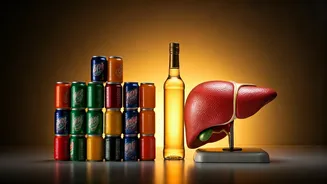
The World Health Organization (WHO) is advocating for a significant rise in taxes on both sugary beverages and alcoholic drinks. The primary goal of this
directive is to reduce the consumption of these products. Research suggests that an increase in prices, potentially by 50%, can lead to a substantial decrease in the consumption of unhealthy items. These actions aim to lower instances of non-communicable diseases, like diabetes and heart problems. This would lead to better health outcomes and reduce healthcare burdens in countries. The WHO's proposal is part of a broader strategy. This strategy focuses on preventative health measures and promotes healthier lifestyle choices globally.
Addressing Health Challenges
India, among other nations, has a pressing need to tackle the rising issues of public health. Increased taxes on sugary drinks and alcoholic beverages could play a crucial role. These measures are especially relevant considering the rising prevalence of lifestyle diseases and the overall burden on the healthcare system. The WHO's recommendations are based on research. This research highlights the effectiveness of price increases in influencing consumer behavior. With prices going up, individuals might opt for healthier alternatives. This move could also promote a cultural shift towards healthier consumption habits in the long term, supporting overall wellness.
TIFR Study Insight
A concurrent study from the Tata Institute of Fundamental Research (TIFR) provides further insight. The study explores the potential for therapeutic solutions. These solutions aim to mitigate the adverse metabolic effects caused by the consumption of sugary beverages. This research could open doors to innovative approaches. This approach could not only reduce consumption but also counteract the negative physiological impacts of these drinks. Further research in this area is crucial. It supports a multifaceted approach to address the health challenges, combining prevention through taxation with potential treatments. This integrated strategy aims to comprehensively improve public health.
Impact on India
The implementation of the WHO's recommendations could greatly impact India. Higher taxes on sugary drinks and alcohol could lead to changes in consumer spending patterns. This might increase the demand for healthier, budget-friendly options. The government could also allocate revenue from these increased taxes to support public health programs. These could include health awareness campaigns and initiatives focused on preventive care. There might also be a need to address concerns related to the impact on local industries and employment. This necessitates a well-planned transition. This transition should balance public health objectives with economic considerations.
Future Outlook
The future sees a significant focus on preventive healthcare. This entails strategic interventions like taxation to influence public behavior and consumption patterns. The integrated approach of combining price-based strategies with scientific research could lead to improved health outcomes. India can set an example by proactively embracing these measures. The success of these initiatives will depend on effective implementation, consistent monitoring, and public support. The ultimate goal is to create a healthier nation. The nation will be better equipped to manage the challenges posed by lifestyle diseases and promote overall well-being.