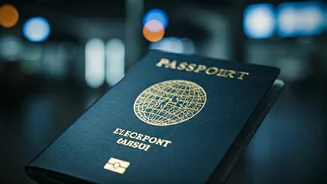







What Is e-Passport?
An e-Passport, also known as a biometric passport, is a secure travel document that uses advanced technology to protect the holder's identity. It looks
similar to a regular passport but includes an embedded electronic chip. This chip contains personal information like the holder's name, date of birth, and biometric data such as a digital photograph and fingerprints. The e-Passport's chip stores this data securely, making it difficult for fraudsters to tamper with or replicate the document. Designed to comply with international standards, e-Passports enhance security measures. These features make it harder for someone to forge or alter the passport, thereby improving the integrity and security of international travel documents. The integration of biometric data is a critical step in combating identity theft and ensuring secure border control practices globally.
Enhanced Security Features
e-Passports offer significant security upgrades compared to traditional passports. The embedded chip uses cryptographic technology to store and protect the holder's personal information. This data is encrypted, making it exceptionally difficult for unauthorized parties to access or alter it. The incorporation of biometric data, such as a digital photograph and fingerprints, adds an extra layer of security. The biometric data is matched against the holder's physical appearance at immigration checkpoints, ensuring that the person presenting the passport is the rightful owner. e-Passports also feature sophisticated anti-counterfeiting measures, including secure printing techniques and advanced materials. These features make it challenging to replicate or tamper with the document. With these enhanced security features, e-Passports contribute to a safer and more secure international travel experience for all travelers. The advanced technology behind e-Passports helps in reducing the risk of identity theft and fraudulent activities, providing peace of mind to passport holders.
Faster Immigration Processes
One of the most significant advantages of e-Passports is the potential for faster immigration processes. Many airports around the world have implemented automated border control systems, such as e-gates, specifically designed for use with e-Passports. These e-gates use facial recognition technology to verify the passport holder's identity by comparing their facial features to the data stored on the chip. By automating the verification process, e-gates can significantly reduce the time spent at immigration checkpoints. Travelers can quickly pass through, eliminating the need for lengthy manual checks. This streamlined process leads to reduced waiting times, allowing travelers to proceed through border control more efficiently. The convenience of faster immigration is especially beneficial for frequent travelers, as it saves valuable time and makes international travel less stressful. The efficiency of e-gates and the security features of e-Passports create a smoother and more reliable travel experience.
Benefits for Indian Citizens
Indian citizens with e-Passports will experience several direct benefits. The improved security features protect against identity theft and fraudulent use of their travel documents. This enhanced security provides peace of mind when traveling internationally. Faster immigration processes at airports equipped with e-gates save time and make travel more convenient. The ability to use automated border control systems reduces waiting times at immigration checkpoints, allowing quicker passage through airports. e-Passports facilitate smoother entry into various countries that have adopted the technology, which improves the overall travel experience for Indian citizens. This modern technology is a significant advancement, offering enhanced security, convenience, and efficiency for Indian passport holders. These improvements will make it easier and safer for Indian citizens to explore the world.
Key Details to Know
When obtaining an e-Passport, Indian citizens should be aware of a few key details. The application process for an e-Passport is similar to that of a traditional passport, but it may require the submission of biometric data such as digital fingerprints. The specific requirements can be found on the official website of the Indian Passport Office or the relevant authorities. While e-Passports offer many advantages, they also require careful handling. The chip should be protected from physical damage, such as bending or extreme temperatures, which could compromise its functionality. It's recommended that you keep your e-Passport secure and avoid exposing it to strong electromagnetic fields. Staying informed about the latest travel advisories and any changes in immigration policies is essential. Always check the requirements of the countries you plan to visit, as they might have specific procedures for e-Passport holders. Staying updated and informed helps ensure a smooth and hassle-free travel experience.