



Next-Gen Rocket Debut
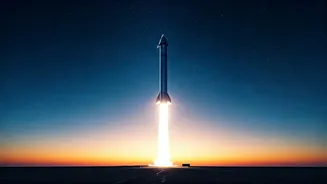
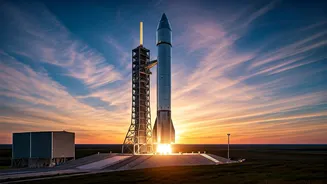
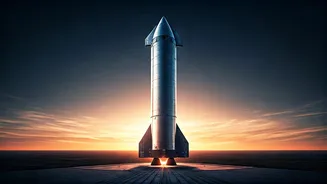
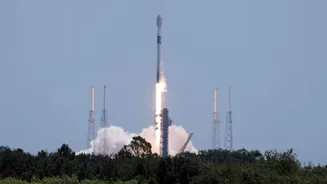
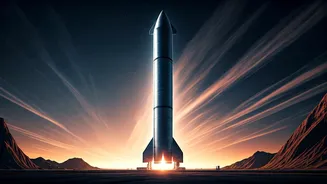
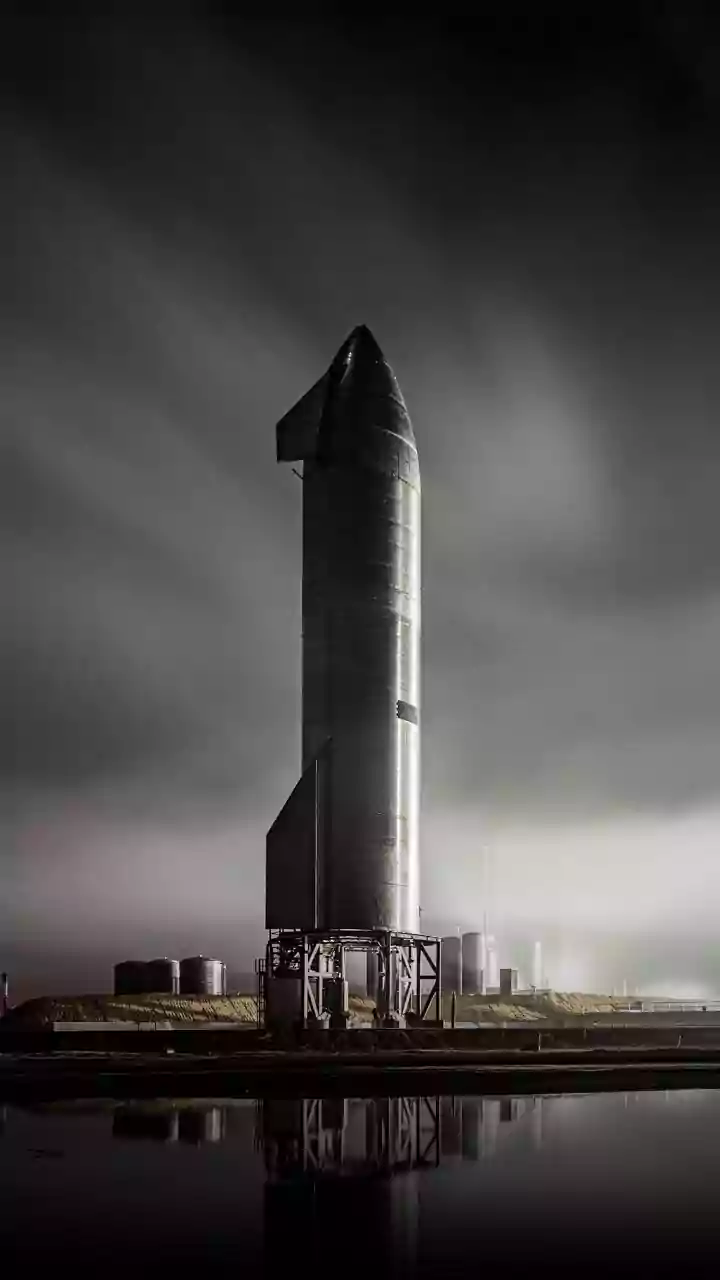
SpaceX is poised to introduce its most potent rocket to date, Starship Version 3 (V3), with a launch slated for Tuesday, May 19th, at 6:30 p.m. EDT. This
latest iteration represents a significant evolution, incorporating lessons learned from years of rigorous flight testing and development. The V3, alongside its Super Heavy booster, is powered by advanced Raptor 3 engines and will lift off from a completely new launch pad. The primary objective for this mission is to thoroughly assess the performance of these V3 enhancements in a live flight scenario, gathering crucial data to inform future improvements. While previous test flights have successfully demonstrated challenging feats, such as controlled landings, the expectations for this 12th flight are more focused on validating upgrades. The V3 era promises to be pivotal, unlocking expanded orbital capabilities, more efficient commercial satellite deployments, and achieving full rocket reusability, paving the way for ambitious endeavors.
Payload & Reusability Focus
The upcoming 12th flight of Starship introduces an innovative payload deployment strategy. Following separation from the Super Heavy booster, the Starship upper stage will utilize an upgraded dispenser to release 22 Starlink simulators, designed to mimic next-generation satellites. Notably, two of these simulators are equipped to scan Starship's heat shield, transmitting imagery back to Earth. This in-space inspection aims to evaluate the heat shield's condition before potentially attempting a booster catch. If any damage is detected, SpaceX can preserve resources for a more opportune recovery. Some heat shield tiles have been painted white to test this in-orbit assessment system, which could be instrumental for future missions. In a controlled experiment, one tile has been intentionally removed to measure aerodynamic forces on adjacent tiles during atmospheric re-entry, simulating the impact of a lost tile. Prior to splashdown, Starship will execute maneuvers to stress its rear flaps and engage in other experimental actions to rigorously test its reusability features.
Super Heavy Booster Enhancements
The V3 Super Heavy booster has undergone substantial improvements, particularly concerning its 33 Raptor engines. These engines now generate 551,000 pounds of thrust at sea level, an increase from the previous 507,000 pounds, providing the necessary power for Starship to reach low-Earth orbit (LEO). This amplified thrust is expected to enable SpaceX to meet its goal of delivering over 100 tons of payload to LEO, facilitating the deployment of larger batches of Starlink satellites. Significant modifications have been made to facilitate in-space rendezvous with other Starships, thanks to new drogues and propellant feed lines. Radio frequency sensors have been integrated to accurately measure propellant levels in microgravity, crucial for upcoming demonstrations. These advancements are vital for a critical Starship propellant transfer demonstration, intended to satisfy NASA's requirements for lunar missions. Furthermore, the Super Heavy now features three larger, more robust fins compared to the previous four, equipped with a new catch point for Starbase's specialized recovery arms. The propulsion systems have undergone a complete redesign to enhance endurance, increase fuel volume, improve reaction control system handling, mitigate fuel leaks, and support a revamped Raptor ignition system. These modifications have also allowed for a reduction in Starship's non-payload mass, creating more space for cargo.
Launch Infrastructure Upgrades
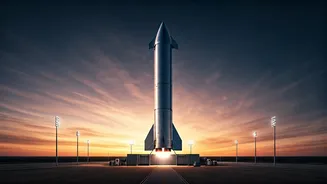
SpaceX has completed a critical wet dress rehearsal in preparation for Flight 12, which marks the inaugural use of a new launchpad at Starbase. This advanced facility is considerably larger than the original pad, offering increased fuel capacity and more powerful pumps to accommodate the heavier V3 rocket. The upgraded launch mount structure is engineered to enhance the rocket's reusability and operational tempo. The new launch tower features shorter, electromechanically operated 'chopstick' arms, designed to improve the reliability of both booster and, eventually, upper-stage recovery attempts. The FAA has granted SpaceX permission to increase annual launches at Starbase from five to 25, and has authorized new trajectories for Starship that traverse larger portions of the U.S. mainland. Regulators have also alerted pilots to be aware of potential rocket debris as orbital activity escalates.