







Fennec Fox Hydration
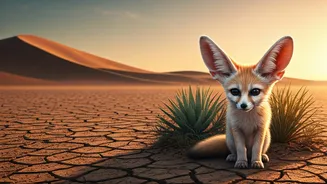
In the scorching expanse of the Sahara Desert, the Fennec Fox exhibits an extraordinary ability to thrive with minimal direct water intake. This small,
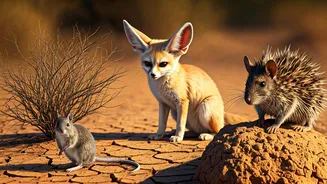
captivating canine obtains nearly all the moisture it requires from the foods it consumes, which include a variety of insects, small rodents, and succulent desert plants. Its physiological makeup is finely tuned to conserve water, enabling it to endure prolonged periods without ever needing to seek out a waterhole. The Fennec Fox's dense fur also acts as an insulator, protecting it from the extreme heat and reducing water loss through evaporation, a crucial adaptation for its arid home.
Jerboa's Water Strategy
The Jerboa, a small desert rodent known for its powerful hind legs and hopping locomotion, is a prime example of water self-sufficiency. Residing in some of the driest regions on Earth, Jerboas have evolved a sophisticated system for water acquisition. They primarily rely on the moisture present in their diet of seeds and plant matter. Furthermore, their bodies are incredibly efficient at metabolizing food, generating a significant amount of water internally as a byproduct. This metabolic water, combined with hydration from food, means that Jerboas rarely, if ever, have to venture out to find and drink from external water sources, making them masters of arid survival.
Kangaroo Rat Resilience
The Kangaroo Rat, a marvel of desert adaptation, can astonishingly live its entire lifespan without ever taking a single sip of water. These small rodents have perfected the art of water conservation. Their primary source of hydration comes from the dry seeds they eat, from which they efficiently extract every available drop of moisture. To further minimize water loss, they possess kidneys that produce incredibly concentrated urine, essentially recycling and retaining as much fluid as possible. They also minimize water loss through respiration and skin, embodying extreme water independence in their harsh environment.
Koala's Eucalyptus Diet
The beloved Koala, often perceived as a sleepy marsupial, demonstrates a remarkable approach to hydration, largely abstaining from drinking water in the wild. Their survival is intimately tied to the eucalyptus leaves they consume. These leaves, while tough and fibrous, are surprisingly rich in water content. Koalas are able to efficiently extract and utilize this moisture, satisfying their hydration needs directly from their leafy diet. This specialized feeding habit allows them to thrive in their arboreal habitats without the constant necessity of finding and drinking from water bodies, a unique characteristic among many mammals.
Naked Mole-Rat Moisture
Beneath the earth's surface, in the complex tunnel systems they inhabit, Naked Mole-Rats lead lives devoid of surface water. These subterranean rodents derive all the necessary water for their survival from the tubers and roots they eat. Their diet is their sole source of hydration, and their physiological systems are adept at extracting and retaining this vital resource. Living in a controlled underground environment, they are shielded from the harsh conditions above and have no need to interact with standing water, showcasing an evolutionary path that completely bypasses traditional drinking methods.
Thorny Devil's Skin Absorption
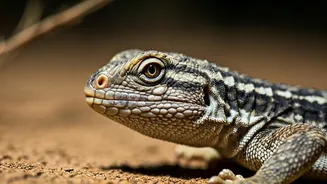
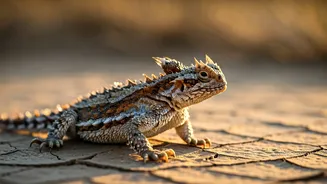
The Thorny Devil, an iconic Australian lizard, possesses an almost surreal method of acquiring water, foregoing conventional drinking altogether. This reptile's skin is a marvel of biological engineering, featuring specialized microscopic grooves. These channels effectively collect dew that forms overnight and moisture that seeps up from damp sand. The collected water is then channeled directly into the corners of its mouth, allowing the Thorny Devil to passively absorb hydration. This unique adaptation enables it to survive in the extremely arid Australian outback without ever needing to locate water holes or streams.