
Clean Gutters First
Before the icy grip of winter truly sets in, cleaning your gutters should be a top priority. Clogged gutters prevent proper water drainage. When blocked,
melting snow and ice can accumulate, leading to several issues. These issues include water damage to your roof, siding, and even the foundation of your home. It can also lead to ice dams. Ice dams form when water freezes at the edge of the roof, backing up under the shingles. This can create leaks, potentially causing significant internal damage. Cleaning gutters involves removing leaves, twigs, and other debris. It is recommended to use gloves and a sturdy ladder while ensuring your safety. Consider installing gutter guards to reduce future maintenance needs.
Inspect the Roof
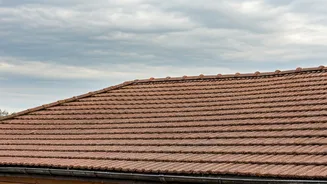
Your roof is your home's first line of defense against the elements, and winter is a particularly harsh test. Before the winter sets in, it is important to carefully examine your roof for any damage. Check for missing, cracked, or curled shingles. These can allow water to seep in, causing leaks and structural damage. Examine the flashing around chimneys, vents, and skylights. Ensure it is intact and properly sealed to prevent water penetration. If you spot any problems, have them addressed promptly by a professional. Regular roof inspections and timely repairs can save you from major headaches and expenses down the line. It's often beneficial to hire a professional to inspect the roof if you're not comfortable or experienced.
Check Attic Insulation
Proper attic insulation is vital for maintaining a comfortable and energy-efficient home during the winter months. It acts as a barrier, preventing heat from escaping your living spaces and reducing your heating bills. Begin by inspecting your attic insulation to ensure it meets the recommended level for your region. If you find the insulation is insufficient or damaged, consider adding more. Also, look for any signs of moisture, such as condensation or water stains. These can indicate leaks or ventilation problems. Proper ventilation is essential for preventing moisture buildup and maintaining the effectiveness of your insulation. Ensure your attic vents are clear and unobstructed to allow for proper airflow. This includes checking any soffit vents, ridge vents, and gable vents.
Insulate Plumbing Lines
Burst pipes due to freezing are a common and costly winter problem. To prevent this, take steps to insulate your plumbing lines. Identify any pipes that are located in unheated areas, such as the attic, crawl spaces, or exterior walls. Insulating these pipes helps to prevent them from freezing. You can use foam pipe insulation, which is readily available at most hardware stores. Wrap the insulation around the pipes, ensuring a snug fit. For pipes that are exposed to the outside elements, such as those near exterior walls, consider using heat tape. Heat tape provides an extra layer of protection by gently warming the pipes. Also, when temperatures drop, leave your faucets dripping slightly. This prevents water from freezing inside the pipes.
Seal Air Leaks
Air leaks around windows, doors, and other openings can significantly increase your heating bills by allowing warm air to escape and cold air to enter. Identifying and sealing these leaks is a crucial step in preparing your home for winter. Inspect windows and doors for gaps or cracks. Apply weatherstripping around the frames to create a tight seal. Caulk any cracks or openings in window and door frames, as well as around pipes and wiring that pass through walls. Check for air leaks around electrical outlets and switch plates. Seal these with foam gaskets. Additionally, consider replacing old or damaged window and door seals to improve energy efficiency. Sealing air leaks not only saves energy but also improves indoor comfort by reducing drafts.
Winterize Windows and Doors
Beyond sealing air leaks, additional measures can be taken to winterize your windows and doors. Install storm windows or cover windows with plastic film to provide an extra layer of insulation. This can significantly reduce heat loss. For doors, check the weatherstripping around the edges. Replace any worn or damaged weatherstripping to ensure a tight seal. Consider adding door sweeps to the bottom of exterior doors to prevent drafts. Use insulated curtains or blinds to further reduce heat loss. These can be closed at night to retain heat within the home. Inspect and maintain any locks or hinges on windows and doors to ensure they function correctly and provide a secure seal against the elements. A well-prepared window and door setup greatly increases winter home comfort.
Fix Damaged Siding
Damaged siding can allow moisture to penetrate your home's exterior walls. This leads to rot, mold growth, and other structural problems. Inspect your siding for any cracks, holes, or loose panels. Address any damage promptly before winter sets in. Replace or repair damaged siding sections to maintain a water-resistant barrier. Check for any signs of water damage, such as discoloration or peeling paint. Repair any underlying issues before addressing the siding. Ensure that all seams and joints are properly sealed to prevent water intrusion. This includes checking the areas around windows, doors, and corners. If the siding has been damaged by pests, such as termites, take measures to eliminate the infestation before making repairs. Well-maintained siding will keep the house safe from the elements.