
Cash Still Matters
Even amid the surge in digital payments, cash continues to play a pivotal role in the lives of many Indians. For numerous individuals, including daily
wage earners, street vendors, small shopkeepers, and commuters, cash remains the preferred mode of transaction. The need for small denomination notes such as Rs 10, Rs 20, and Rs 50 is particularly acute for routine purchases and travel. The ongoing reliance on physical currency highlights the necessity for initiatives that enhance its accessibility, ensuring that the financial needs of all segments of society are met effectively. This also shows that the transition to a fully digital economy is a gradual one, and cash will continue to be important for some time.
ATM Innovation Unveiled
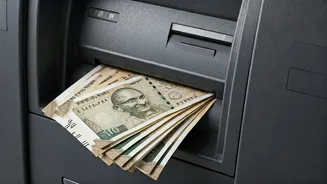
In response to this cash dependency, the government is considering introducing new ATMs. These automated teller machines will specifically dispense smaller denomination notes, moving away from the usual Rs 100 and Rs 500 notes. There's also discussion around hybrid ATMs, which would facilitate the exchange of large notes for smaller ones. These changes aim to address the frustration felt by shopkeepers and customers who struggle with change, especially when faced with Rs 500 notes, which remain a prevalent high-value currency in circulation. This proactive approach underscores the government's commitment to improving the availability of small denomination notes, thereby smoothing everyday transactions for those who depend on cash.
Addressing the Shortage
The shortage of small denomination notes presents more than just an inconvenience; it can lead to delays in transactions, negatively impacting sales, and affecting daily earnings, especially in semi-urban areas. Furthermore, the availability of digital payment options via smartphones and stable internet connections is not always guaranteed, intensifying the demand for physical cash. This shortage affects the ability to make payments for daily necessities, such as groceries, local services, and transport. The government's intervention with new ATMs aims to mitigate these challenges, ensuring that individuals and businesses can smoothly conduct their financial operations without being hampered by a lack of smaller currency notes.
Pilot Project Rollout
The plan to introduce these innovative ATMs is currently undergoing testing through a pilot project in Mumbai. The machines are strategically installed in areas where cash usage is high, such as local markets, railway stations, bus depots, hospitals, and government offices. These locations are ideal for testing the new system due to their frequent cash transactions, providing valuable insights into the efficiency and effectiveness of the machines. The pilot project's success will be crucial in determining the broader implementation of this initiative. It is a necessary step towards improving cash management and accessibility, potentially relieving financial challenges for various groups, including daily laborers and small shopkeepers who rely heavily on cash.
Challenges and Considerations
Despite its numerous advantages, the project is not without its hurdles. Banks may encounter increased expenses linked to the installation and maintenance of these new machines, along with ensuring necessary security measures. Managing a consistent supply of small notes could also be problematic if printing and distribution operations do not keep up with demand. Moreover, it's vital to consider whether deploying new machines alone will completely address the problem, or if deeper changes in cash management are needed. The accessibility of these ATMs could be limited if they are only placed in select areas. Addressing these challenges is crucial for the success of this initiative, ensuring that it genuinely eases daily transactions for those dependent on small denomination notes.