
Trump's Interest Rate Plan
Donald Trump has put forward a proposition to limit credit card interest rates to 10% for a period of one year. This announcement has immediately generated
both support and criticism, with experts and consumer advocates assessing its potential impact. The proposal, if implemented, is projected to bring about significant financial implications for cardholders, who could potentially save substantial amounts on interest payments. The plan aims to provide immediate financial relief to individuals burdened by high-interest debt, but some economists are evaluating the long-term economic effects. The proposal's immediate goal is to offer short-term relief, particularly for those struggling with the escalating costs of borrowing. The feasibility and broader economic consequences of such a large-scale change are currently being debated by various stakeholders, including financial institutions, consumer groups, and policymakers, leading to a complex discussion about its viability and long-term implications.
Potential Savings Analyzed
Assessing the financial impact of the 10% cap involves calculating the potential savings for American cardholders. The reduction in interest rates could dramatically lower the total cost of credit card debt for many consumers. For individuals carrying balances with interest rates exceeding 10%, the proposed cap would offer substantial savings. The actual amount saved would vary based on the outstanding balance and the existing interest rate. For example, a cardholder with a balance of several thousand dollars at a higher rate could potentially save hundreds or even thousands of dollars over the year. Analyzing the potential savings requires a careful examination of average credit card debt levels across the US population. The cap could also lead to a more stabilized financial environment for many Americans, reducing the risk of debt spirals and providing more financial breathing room. The proposal aims to alleviate the financial strain on consumers by controlling the cost of credit, providing a boost to personal finances. This impact could subsequently boost the economy.
Reactions and Debates
Trump's proposal has elicited a spectrum of reactions from different financial groups and prominent figures in the United States. Prominent figures like Bill Ackman and Elizabeth Warren have shared their thoughts on the proposal. Some support the plan, citing its potential to protect consumers from predatory lending practices. Conversely, some industry experts and banking groups have voiced concerns. They worry that a cap on interest rates might limit access to credit or lead to other negative consequences for financial institutions. The proposal's critics are concerned that such a move could reduce profitability for banks, which may then need to adjust their lending practices. These potential adjustments could involve increased fees or stricter credit requirements. The debate also touches upon the broader effects of government intervention in the market. The discussions revolve around the balance between consumer protection and the operational flexibility of financial institutions. The different views highlight the complexity of financial policy. The outcomes of this policy are still being debated.
Impact on India
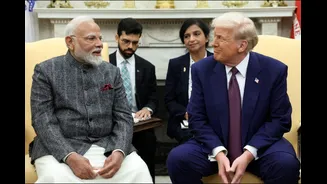
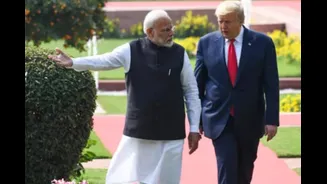
While the credit card interest rate cap primarily targets the US market, it may have indirect ramifications for countries like India. The economic relationship between the US and India is strong, so any significant shift in US financial policy could have a ripple effect. One potential impact could be on the flow of international investments and financial markets. Changes in US monetary policy often influence global interest rates and investment strategies. This is something that Indian markets may take into account. For instance, if the US credit market changes substantially, it may cause fluctuations in international markets. This could influence investment strategies, with investors possibly reassessing the attractiveness of various markets. Furthermore, the proposal could affect the value of the US dollar. This, in turn, could affect international trade, including trade relations between the US and India. Therefore, although the initiative is US-focused, its potential to affect international economies highlights the interconnected nature of the global financial system.