






Shifting Trends in Diagnosis
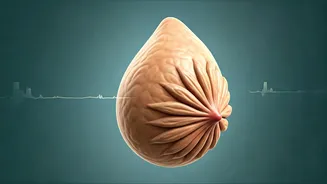
An important global observation is the increasing frequency of breast cancer diagnoses in women younger than the traditionally expected age. Experts note
a significant shift, with more cases now appearing in women in their late 20s and 30s, a stark contrast to previous decades where the disease was predominantly seen in those over 50. This phenomenon is attributed to a complex interplay of evolving lifestyle patterns, changes in reproductive habits, heightened environmental exposures, and metabolic health challenges that have become more prevalent in recent times. The World Health Organization (WHO) has also acknowledged this concerning global trend of breast cancer affecting younger populations more frequently. While genetic predispositions remain a factor, medical professionals increasingly emphasize that lifestyle choices and reproductive decisions play a substantial role in influencing an individual's risk profile. Fortunately, many of these contributing factors are within a woman's control, offering opportunities for proactive health management.
Modern Habits & Hormonal Impact
Contemporary living has dramatically altered daily routines, with prolonged periods of sedentary behavior, extensive screen time, and irregular schedules becoming commonplace, particularly for young professionals. This shift directly impacts hormonal balance and metabolic processes, which are critical for breast tissue health. Diets have also gravitated towards convenience, favoring highly processed meals and sugary snacks over nutritious options. These dietary changes, coupled with reduced physical activity, can lead to weight gain, obesity, and metabolic disturbances – all recognized as significant risk factors for breast cancer. The internal environment fostered by chronic inflammation, insulin resistance, and hormonal imbalances resulting from these habits can inadvertently create conditions conducive to the development and proliferation of cancer cells. Stress, a pervasive element of modern life, further exacerbates these issues, contributing to a cascade of physiological responses that may negatively affect overall health and increase cancer susceptibility.
Weight Gain's Subtle Risk
A critical yet often overlooked factor contributing to increased breast cancer risk, particularly in younger women, is substantial weight gain after the age of 20. Excess body fat is not merely an aesthetic concern; it functions as an active endocrine organ that actively produces hormones, notably estrogen. Elevated estrogen levels are directly correlated with certain types of breast cancer. Dr. Nikhil Himthani highlights that this post-20 weight gain is one of the most significant modifiable risk factors. Fat tissue, especially after menopause, escalates estrogen production, which can fuel tumor growth. Research further indicates that when delayed pregnancy coincides with obesity, the risk can escalate substantially, underscoring obesity's role as a major risk factor for hormone-related cancers. Maintaining a healthy weight is therefore paramount for mitigating these hormonal influences.
Reproductive Choices & Protection
The timing of childbirth significantly influences breast cancer risk. Biologically, early pregnancy offers a protective effect, as it prompts breast cells to mature and differentiate, rendering them less susceptible to mutations that can lead to cancer. Dr. Nikhil Himthani explains that having a first child before the age of 30 triggers these beneficial cellular changes, making breast tissue more resilient. Conversely, delaying childbirth or remaining child-free means this protective maturational effect is postponed or absent. Studies reveal that women having their first child after 30, or later in life (after 35), face a heightened risk, with each year of delay incrementally increasing cumulative risk. This association is largely driven by hormones; prolonged exposure of breast tissue to estrogen and progesterone can lead to increased cellular growth and a greater chance of abnormal cell development over time. Early pregnancy provides a vital window of cellular recalibration, reducing long-term cancer vulnerability.
Environmental Triggers & Habits
Certain daily exposures, though often dismissed, can significantly elevate breast cancer risk. Moderate alcohol consumption has been linked to an increased risk, potentially by raising estrogen levels and damaging cellular DNA. Smoking introduces carcinogens that can harm breast tissue over extended periods. Furthermore, medical professionals express concern regarding endocrine-disrupting chemicals commonly found in plastics, cosmetics, and household products. These substances can mimic the body's natural hormones, disrupting the delicate hormonal balance. While research continues, limiting exposure to these potential toxins is a prudent recommendation. Alongside these considerations, adopting a balanced diet rich in fruits, vegetables, and whole grains, coupled with regular physical activity, is crucial for regulating hormones, reducing inflammation, and supporting cellular health. Avoiding tobacco, ensuring adequate sleep, and limiting alcohol intake are also vital protective measures that collectively contribute to a reduced risk profile.
Empowering Awareness and Screening
While breast cancer cannot always be entirely prevented, proactive lifestyle choices significantly reduce the likelihood of developing the disease. Dr. Arun Kumar Giri emphasizes the importance of consistent, healthy habits, including maintaining a healthy body weight through balanced nutrition and regular exercise, which aids in hormone regulation and inflammation reduction. A diet abundant in fruits, vegetables, and whole grains is beneficial for cellular health. Key protective measures also include limiting alcohol, abstaining from tobacco, and prioritizing sufficient sleep. Beyond these lifestyle modifications, doctors strongly advocate for heightened breast health awareness. Regular self-examinations and timely clinical screenings are invaluable for early detection, dramatically improving treatment outcomes and survival rates. Many young women harbor the misconception that breast cancer only affects older individuals, potentially delaying crucial diagnoses. Recognizing symptoms, being attuned to bodily changes, and seeking medical advice promptly can make a life-altering difference. Knowledge about these evolving risks empowers women to make informed decisions about their health and long-term well-being.