




The Stubborn Stain Mystery
Many of us cherish specific mugs, the ones that perfectly complement our morning routines or special tea moments. Over time, these companions can accumulate
unsightly rings from coffee, tea, and other beverages. These aren't just superficial marks; they're remnants of tannins and chromogens, natural colouring agents present in drinks, which bond tenaciously to the ceramic or porcelain surface. Standard dishwashing often proves ineffective against this persistent discoloration, leaving mugs looking dingy. The common belief is that these marks are permanent, but a readily available ingredient in most kitchens offers a powerful solution that goes beyond mere aesthetics and addresses the very science behind the stains.
Baking Soda's Cleaning Power
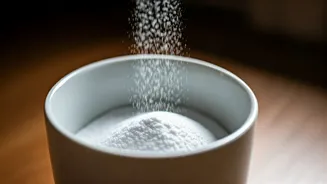
Baking soda, scientifically known as sodium bicarbonate, is far more than just a leavening agent for baked goods. It's a remarkably effective stain remover, leveraging its unique chemical and physical properties. When mixed with water to form a paste, it transforms into a mild abrasive, ideal for gently scrubbing away tough grime without damaging delicate surfaces like ceramic. Its alkaline nature plays a crucial role, helping to break down and lift acidic stains left by common beverages. This dual action of gentle abrasion and chemical alteration makes it a superior choice for restoring the pristine appearance of your mugs, often without the need for vigorous scrubbing or exposure to harsh chemicals.
The Science Behind It
The stubbornness of coffee and tea stains lies in the compounds they contain, primarily tannins and chromogens. These natural colorants are adept at seeping into the microscopic imperfections present on ceramic and porcelain surfaces, forming a bond that resists conventional washing. Research highlights how pigmented materials, even in everyday beverages, contribute to a build-up of discoloration that can harden over time. Baking soda counteracts this through its crystalline structure. As a mild abrasive, its particles are designed to crumble under pressure. This means they provide sufficient friction to dislodge stain particles without scratching or damaging the underlying material. Moreover, its buffering capability shifts the surrounding solution towards an alkaline pH, which helps to detach the acidic stains from the cup's surface, effectively lifting them away.
Simple Steps to Spotless Mugs
Achieving spotless mugs with baking soda is a straightforward process. Begin by wetting the inside of your stained mug, then add about one tablespoon of baking soda. Mix this with a little water to create a thick paste. Gently rub the paste over the stained areas using a soft cloth or sponge in circular motions for about a minute. You'll notice the brown stains begin to lift and disappear. Rinse the mug thoroughly with hot water. This final rinse not only washes away the dissolved stain residue but also benefits from baking soda's antibacterial properties, helping to disinfect the mug and eliminate any lingering odors, leaving your mug feeling and smelling fresh.