



Elegance Over Emblem
The Indian fashion landscape is experiencing a significant transformation, moving away from conspicuous branding and towards a more refined sense of luxury.
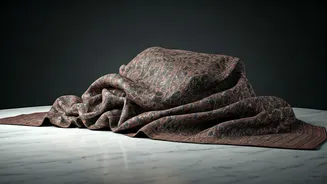
This burgeoning trend, often termed 'quiet luxury,' places immense value on the intricate details, tactile qualities of fabrics, and the rich heritage embedded within clothing. The focus has shifted from overt displays of wealth to an appreciation for subtlety, where the whispers of quality—such as finely woven handlooms, delicate chikankari embroidery, and thoughtfully crafted silhouettes—speak louder than any logo. This approach aligns seamlessly with the global inclination towards minimalism and sustainable practices, offering an aesthetic that is both visually appealing and deeply connected to India's extensive textile traditions. It represents not a sudden fad, but rather a thoughtful rediscovery and elevation of enduring style principles, championed by tastemakers who understand that true luxury is earned through merit and understated grace.
Celebrities Embrace Subtlety
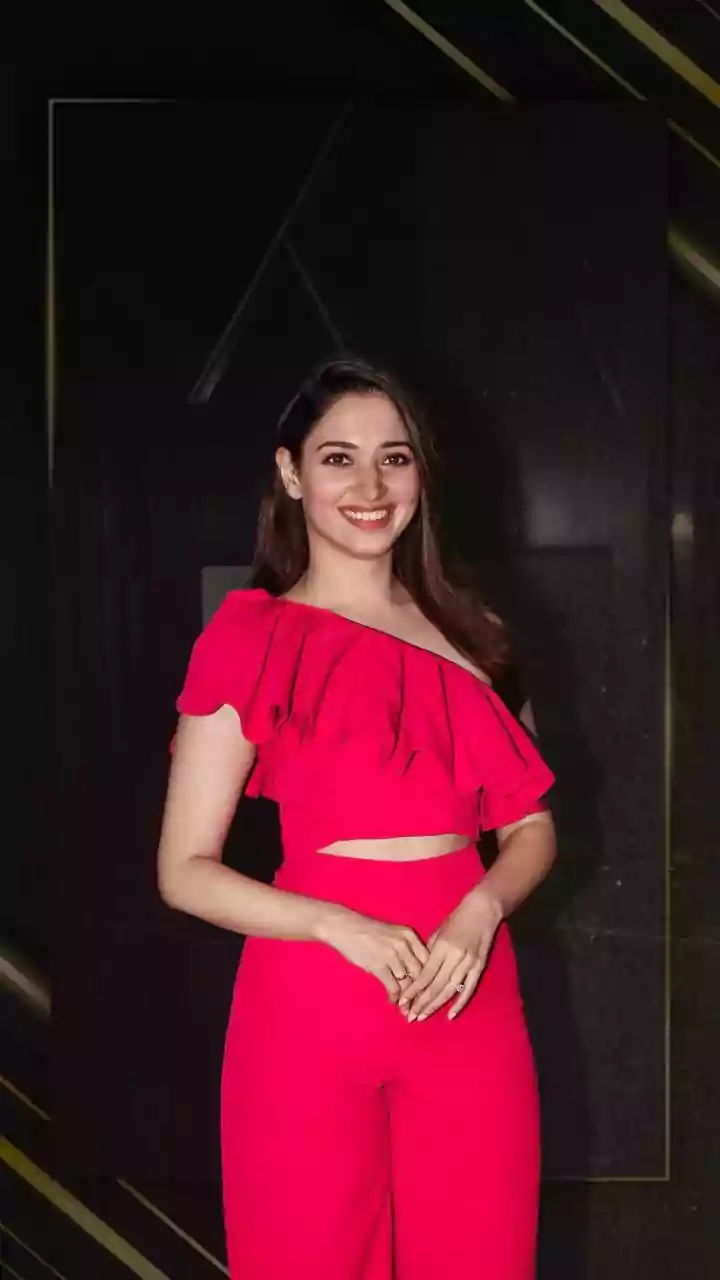
A constellation of India's most influential style icons are at the forefront of this quiet luxury movement, demonstrating its appeal through their sartorial choices. Deepika Padukone, for instance, consistently opts for clean lines and muted colour palettes, frequently showcasing handwoven saris and impeccably tailored outfits that celebrate artisanal skill rather than ostentatious decoration. Sonam Kapoor, who previously experimented with bolder styles, has gracefully transitioned to looks that exude heritage and intention, favouring refined ensembles over extravagance. Even prominent figures like Kareena Kapoor Khan and Alia Bhatt are increasingly seen championing a more understated elegance, embracing ivory chikankari pieces and soft handloom drapes that mirror a broader cultural redefinition of luxury. The minimalist charm of Anushka Sharma and the grounded, authentic aesthetic of Radhika Apte further solidify this shift, indicating that this focus on subtle sophistication is a deliberate and evolving facet of modern Indian fashion.
Craftsmanship Takes Centre Stage
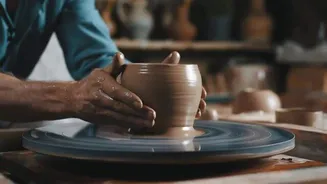
The current fashion narrative in India is heavily influenced by a resurgence of traditional crafts, but presented with a contemporary sensibility that avoids exaggeration. Techniques like chikankari, once primarily associated with traditional attire, are now being integrated into modern wardrobes with effortless flair. Imagine breezy kurtas paired with sharp, tailored trousers or delicate sheer saris artfully combined with structured blouses—the emphasis is on creating versatile, wearable pieces that retain the integrity of the original craft. Similarly, handloom fabrics and block prints are experiencing a revival, perfectly resonating with the growing demand for sustainable fashion choices. These textiles are more than just visually appealing; they carry narratives of the artisans, the specific regions they originate from, and the time-honoured techniques passed down through generations. Within the realm of quiet luxury, these embedded stories are the most profound statements, offering a depth that transcends fleeting trends.
Designers Lead The Way
Visionary designers have been pivotal in steering Indian fashion towards this understated opulence, proving that restraint can be as powerful, if not more so, than lavishness. J. J. Valaya, a long-time advocate for heritage craftsmanship, consistently imbues his collections with a modern perspective, creating pieces that feel both rooted in tradition and strikingly contemporary. His work is a testament to how traditional elements can be artfully evolved without sacrificing their authenticity. The renowned design duo Abu Jani and Sandeep Khosla are also redefining their signature elaborate style by focusing on more refined, craft-centric creations. Tarun Tahiliani continues to masterfully blend structured forms with fluid drapery, offering designs that exude luxury through impeccable construction and thoughtful detailing, rather than sheer volume. Collectively, these designers are shaping a future for Indian fashion where quiet luxury is not merely an aesthetic choice but a deeply ingrained philosophy.
A Timeless Re-emergence
The rise of quiet luxury in Indian fashion is not an ephemeral trend but a deliberate return to the foundational principles that have always defined the country's sartorial excellence. Long before the prevalence of overt branding or the rapid cycle of fast fashion, luxury in India was intrinsically linked to the painstaking dedication of artisans, the patience required for intricate techniques, and the profound beauty found in minute details. This current movement thoughtfully reintroduces this ethos to the forefront of contemporary style. In an era often characterized by overwhelming visual noise and constant stimulation, there is a refreshing appeal in choosing subtlety and introspection. Quiet luxury encourages a slower appreciation for the artistry involved in clothing, inviting individuals to engage with fashion that feels considered and personal. Ultimately, this conscious choice for understated elegance represents a most sophisticated and impactful statement.