





Remote Island Escape
Nestled 70 miles off the coast of Key West, Florida, the Dry Tortugas National Park is a breathtaking archipelago of seven islands, predominantly submerged,
making it a true aquatic wonderland. Originally named 'Tortugas' for its abundance of sea turtles by Juan Ponce de León in 1513, the 'Dry' was later added to warn sailors of the scarce freshwater resources. This remote park, boasting 99% of its area underwater, offers an unparalleled experience of pristine natural beauty and historical significance. Accessible solely via ferry, seaplane, or private vessel, it remains one of the United States' most secluded national parks. The main hub for visitors is Garden Key, home to the imposing Fort Jefferson, a 19th-century fortress designed to safeguard a crucial deep-water anchorage. Other islands, including Loggerhead, Hospital, East, Long, and Middle Keys, can be explored through private charters, while Bush Key, an uninhabited neighbor, is accessible via a sandbar when not closed for bird nesting. Be prepared for a truly primitive experience, as the park provides no amenities like running water, food services, or supplies; visitors must bring everything they need for their stay.
Best Times to Visit
Dry Tortugas National Park welcomes visitors year-round, offering a pleasant climate with temperatures typically ranging from 60–90°F (16–30°C) on land and 74–86°F (23–30°C) in the water. While open consistently, occasional closures may occur due to tropical storms, particularly between June and November, which is the hot and humid season. Lead Ranger Curtis Hall notes that summer provides ideal conditions for snorkelers and divers due to milder winds and calmer seas. For those who prefer camping, the late autumn through spring months are considered preferable. Birdwatchers find their peak season from late February to April, when the park becomes a vital stopover for rare migratory species, making it a prime destination for avian enthusiasts.
Captivating Island Views
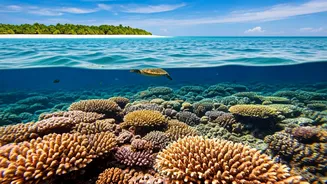
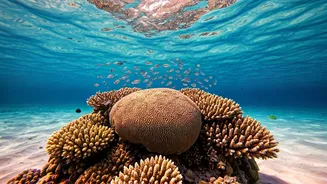
The visual splendor of Dry Tortugas National Park unfolds both during the journey and upon arrival. Seaplane passengers are treated to stunning aerial perspectives, showcasing the vibrant turquoise waters, intricate coral formations in hues of orange and yellow, and the striking red brick of Fort Jefferson. On Garden Key, exploring the moat wall, ascending the fort's ramparts, or gazing through a porthole offers panoramic vistas where the sea meets the expansive sky. However, to truly immerse yourself in the park's magnificence, experiencing its underwater realm is essential. The shallow, crystal-clear waters are a sanctuary for an astonishing array of marine life. You'll encounter schools of tropical fish, including vivid yellowtail snappers, brilliantly colored green and orange parrotfish, and the striking neon blue and yellow queen angelfish. It's crucial to remember that the coral here, though appearing like colorful sponges, are delicate living organisms; always refrain from touching them and use reef-safe sunscreen to protect this fragile ecosystem. Scuba divers will find a treasure trove of nearly 300 shipwrecks, including the historic HMS Tyger that met its end in 1742.
Exploring on Foot
While Dry Tortugas National Park is predominantly a water-based destination, its limited landmass still offers charming opportunities for exploration. There are no extensive hiking trails, but visitors can enjoy leisurely strolls. The Fort Jefferson Loop Trail, a half-mile path, provides an easy walk around the colossal structure, though caution is advised on the narrow moat wall, which lacks railings and may have closed sections for maintenance. When accessible, the sandbar connecting to uninhabited Bush Key allows for exploration of its shoreline. This island is closed from February to September to facilitate the nesting and rearing of young by rare birds. During the months of October through January, a tranquil one-mile circumnavigation of Bush Key is possible, offering a peaceful retreat.
Abundant Wildlife Sightings
The journey to Dry Tortugas National Park itself can be an adventure in wildlife spotting. During the 2.5-hour ferry ride or the 40-minute seaplane flight, keep an eye out for playful dolphins, swift flying fish, and graceful nurse sharks. The park's pristine white-sugar sand beaches are a vital nesting ground for sea turtles, though these majestic creatures are now threatened and endangered, making sightings most common during the spring and summer nesting seasons. Once on Garden Key, snorkeling along the moat wall, a highly recommended spot by Lead Ranger Hall, reveals a vibrant underwater world teeming with life. Look for beaked parrotfish, triangular angelfish, and the distinctive striped sergeant majors navigating the clear waters. Bush Key is a significant breeding ground for the nation’s only major colonies of sooty terns and brown noddies, seabirds renowned for their distinctive calls and elaborate courtship displays. Magnificent frigatebirds are also a common sight year-round, with males often inflating their brilliant red throat pouches.
Historical Fort Jefferson
Fort Jefferson, a colossal 19th-century brick structure dominating Garden Key, is a central feature of Dry Tortugas National Park. Built with an astonishing 16 million bricks, it stands as the largest brick masonry structure in the United States. Visitors have the opportunity to explore this unfinished fortress through self-guided or guided tours. These tours often delve into the fort's history, including the story of its most famous inmate, Dr. Samuel Mudd. Mudd, a physician from Maryland, was incarcerated for his role in treating John Wilkes Booth after President Lincoln's assassination. Despite initially maintaining his innocence, Dr. Mudd earned profound respect at the fort during a devastating yellow fever epidemic in 1867. He worked tirelessly to care for the sick soldiers and prisoners, saving numerous lives and eventually earning a pardon from President Andrew Johnson. This transformed his reputation from that of a traitor to a reluctant hero, adding a compelling human element to the fort's imposing presence.
Activities and Experiences
Dry Tortugas National Park offers a wealth of activities for every visitor. Take a self-guided tour of the historic Fort Jefferson or join one of the twice-daily, 45-minute guided tours led by ferry staff to uncover its fascinating past. For aquatic enthusiasts, snorkeling is a must-do, with easy access near the moat wall revealing colorful coral gardens, diverse tropical fish, starfish, and queen conch just 5 to 15 feet below the surface. For those seeking relaxation, North and South Beaches provide serene spots for swimming, sunbathing, and beachcombing. Divers are drawn to Loggerhead Key, where the remarkably well-preserved 1907 shipwreck lies, its iron hull resisting corrosion over time. Families can engage children in earning Junior Ranger Badges, learning about coastal habitats, sea turtles, seabirds, and Fort Jefferson, before splashing in the shallow, fish-filled waters and exploring the vibrant marine ecosystem with snorkel gear.
Camping and Lodging
The ultimate way to experience the solitude of Dry Tortugas National Park is through tent camping on Garden Key. Campers can revel in spectacular 360-degree sunsets, but it's essential to book reservations well in advance, often with the ferry service. While individual campsites are available on a first-come, first-served basis, groups of 10 to 20 people can reserve larger designated areas. Given its remote location 70 miles from the mainland, camping here is a primitive experience. Visitors must bring absolutely everything, including water, food, ice, charcoal, and personal hygiene items, as no supplies are sold within the park. Campers are responsible for packing out all their trash, but the reward is an unspoiled natural paradise almost entirely to themselves. For those preferring traditional lodging, Key West offers a range of options, from historic inns to waterfront hotels, providing a convenient base before or after a visit to the park.
Visitor Information
Planning your trip to Dry Tortugas National Park involves understanding a few key details. Entry fees are $15 per person over 16, and this cost is typically included in ferry and seaplane tickets. The ferry journey takes approximately 2.5 hours each way and includes a breakfast and lunch buffet, offering about 4.5 hours of park exploration time. The ferry provides comfortable amenities like air-conditioned seating, sundecks, restrooms, and a cocktail bar, but bringing anti-nausea medication is advisable for those prone to seasickness. Passenger capacity on the ferry is capped at 175, so advance booking is highly recommended. Seaplane trips are more expensive but significantly reduce travel time and offer incredible aerial views, often considered a worthwhile splurge. Leashed pets are permitted on Garden Key, outside of Fort Jefferson, but are not allowed on the ferry or seaplanes unless they are service animals. Therefore, visiting with pets usually requires a private boat or permitted tour.
Accessibility Considerations
Dry Tortugas National Park strives to be accessible, though its historical nature presents some challenges. The ferry is equipped with wheelchair-accessible ramps and restrooms. However, certain areas, such as the upper levels of Fort Jefferson and the sandy beaches, may pose difficulties for individuals with mobility impairments. Park pathways are generally hard-packed but can be uneven, lacking paved sidewalks. The 1850s fort itself features narrow, winding stairwells without railings, requiring careful navigation. Visitors with special access needs are encouraged to contact park rangers or staff in advance to arrange for accommodations and receive guidance on navigating the park safely and effectively.