





Endurance Survives Space Trials
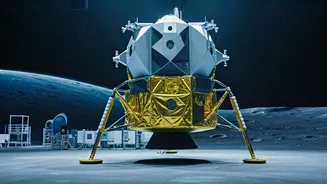
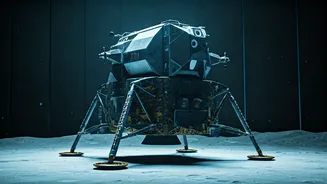
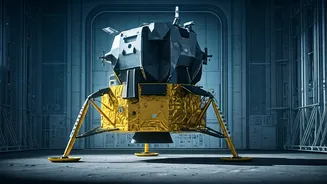
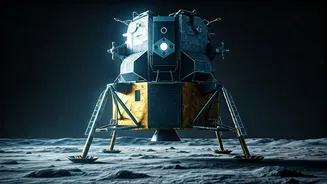
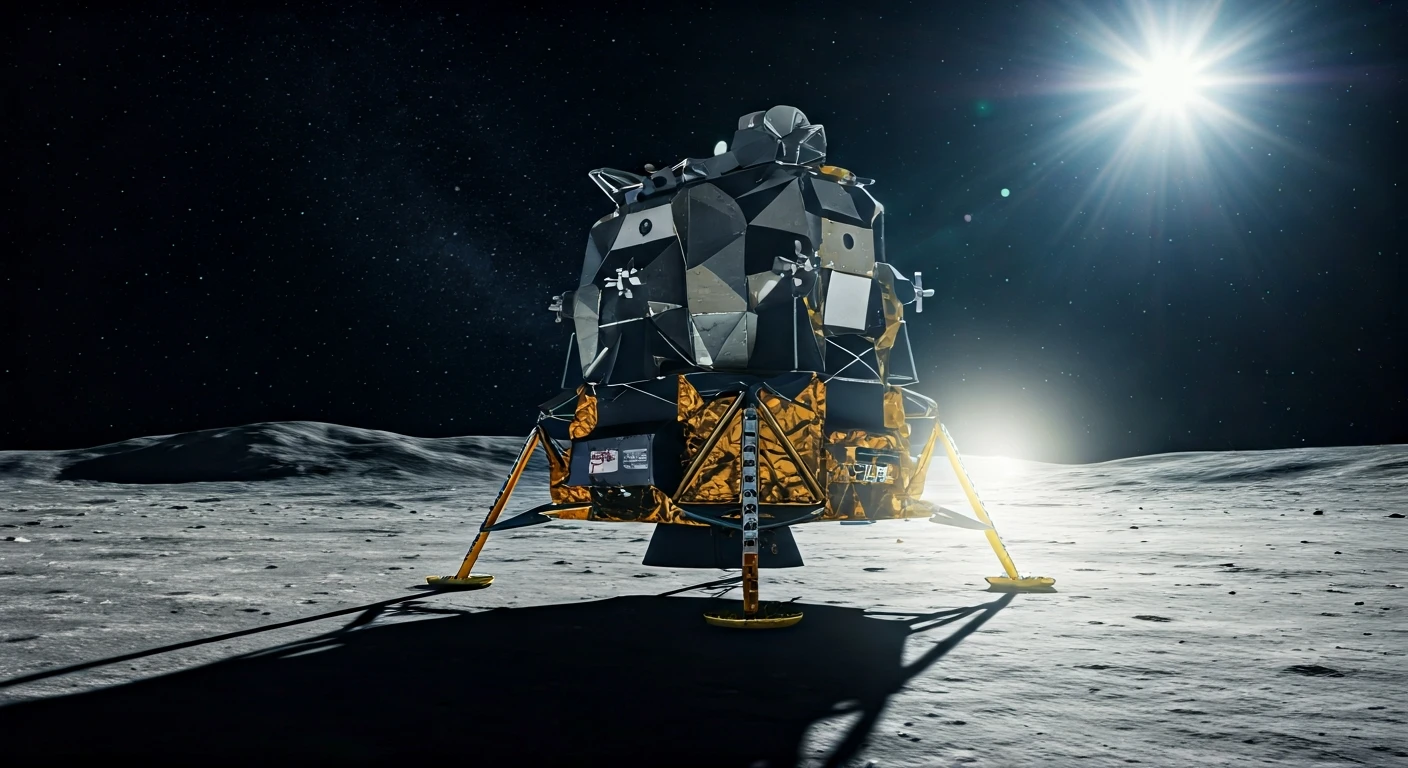
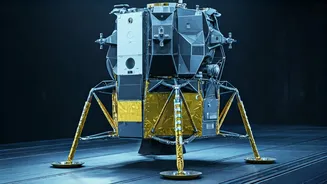
Blue Origin has achieved a pivotal milestone with its cargo lunar lander, named Blue Moon Mark 1 (MK1) and also referred to as 'Endurance'. This unmanned
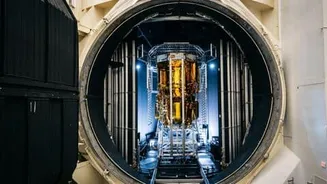
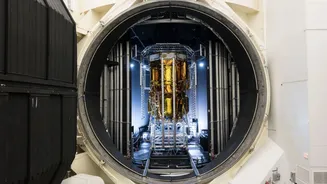
spacecraft recently underwent extensive environmental simulations within the specialized Thermal Vacuum Chamber A at NASA's Johnson Space Center. This advanced facility, one of the largest of its kind globally, meticulously recreated the extreme conditions of space, including severe cold temperatures and a near-vacuum environment, mirroring the journey to the Moon. The primary objective of these trials was to rigorously assess and validate the lander's structural integrity, the effectiveness of its thermal control systems, and its overall operational readiness for a lunar deployment. These crucial tests, conducted under a Space Act Agreement between NASA and Blue Origin, are fundamental to ensuring the lander's capability to perform reliably on the lunar surface and contribute to the ambitious Artemis program objectives.
Cargo for Lunar Base
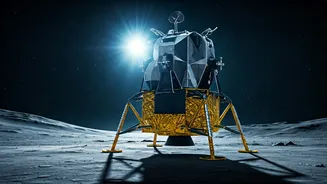
The Blue Moon Mark 1 (MK1), also known as 'Endurance', is specifically designed as an uncrewed vehicle dedicated to transporting essential cargo and equipment to the Moon's surface. It plays an instrumental role in fulfilling the ambitious objectives set forth by NASA's Artemis program, which aims to establish a sustainable human presence on the Moon. The MK1's forthcoming mission will focus on demonstrating critical technologies vital for a successful lunar landing. These include precise landing maneuver capabilities, the effective utilization of cryogenic propellant systems essential for deep space travel, and autonomous guidance, navigation, and control systems that allow the lander to operate independently. The intended landing site for MK1 is the Moon's south pole, an area of significant scientific interest due to the potential presence of water ice, a resource expected to be invaluable for supporting future lunar bases and exploration endeavors.
Scientific Payload Onboard
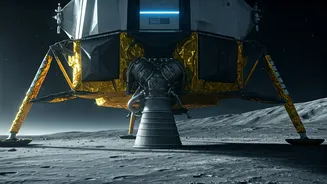
Beyond its primary role of delivering cargo, the Blue Moon Mark 1 (MK1) will also host and deploy scientific instruments to conduct valuable research on the lunar environment. Among its scientific payload is the Stereo Cameras for Lunar Plume-Surface Studies (SCALPS), a suite of high-resolution cameras designed to meticulously observe and document the interactions between the engine exhaust plume during landing and the lunar regolith. This data will be crucial for understanding the effects of landing on the surface and for refining future landing techniques. Additionally, the lander will carry a Laser Retroreflective Array, a passive device that can be used for precise ranging measurements from Earth, aiding in tracking and studying the Moon's orbit and gravitational field. These experiments will contribute significantly to our understanding of the lunar surface and its processes.
Foundation for Human Missions
While the MK1 'Endurance' is an uncrewed cargo mission, its development and testing serve as a foundational stepping stone for future human lunar exploration. The technologies and operational strategies being validated with MK1 are directly contributing to the development of Blue Origin's Mark 2 (MK2), a larger, crew-capable lander designed to transport astronauts safely between lunar orbit and the Moon's surface. The invaluable insights gained from the design, rigorous testing, and planned operations of MK1 will be instrumental in enhancing the safety, reliability, and overall mission planning for subsequent crewed landings. This iterative approach, leveraging uncrewed missions to refine capabilities before human involvement, is a cornerstone of the Artemis program's strategy for establishing a lasting human presence on the Moon.