





Preventing Cervical Cancer
India is set to launch a comprehensive, country-wide vaccination initiative aimed at protecting young girls from the human papillomavirus (HPV), a primary
cause of cervical cancer. This serious health issue affects a substantial number of women, with cervical cancer being the second most prevalent cancer among them. The initiative is particularly crucial given that persistent HPV infections are linked to approximately 85% of all cervical cancer cases. By immunizing girls within a specific age bracket, the government aims to significantly curb the number of new cases and deaths attributed to this preventable disease. The decision to proceed with this vaccination drive signifies a major stride in the nation's public health strategy, prioritizing the long-term well-being of its female population and working towards the eventual elimination of cervical cancer as a public health threat.
Target Age Group & Rollout
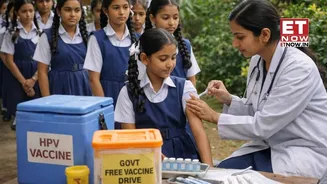
The nationwide HPV vaccination campaign will primarily target girls between the ages of 9 and 14 years. Initially, the vaccine will be administered as a one-time 'catch-up' dose for this age group. Following this initial phase, it is slated to become a regular part of the routine immunization calendar, specifically for girls turning 9 years old. The campaign is structured to be implemented in three distinct cohorts over a three-year period. Approximately 8 crore children in the 9 to 14 age bracket are eligible nationwide. In the first year, this translates to roughly 2.6 crore children receiving the vaccine. For the subsequent two years, an additional 50 lakh to 1 crore children who reach the target age within the campaign's operational areas will also be eligible, ensuring continued coverage and adherence to the vaccination schedule.
Vaccine Regimen & WHO Guidelines
A key aspect of this vaccination drive is the adoption of a single-dose regimen, a decision aligned with recent recommendations from the World Health Organization's (WHO) Strategic Advisory Group of Experts on immunization. This approach deviates from the initially approved two-dose schedule. Evidence from studies conducted in Sweden and England, particularly those from 2020 and 2021, demonstrated that vaccinating teenage girls can effectively reduce the risk of developing cervical cancer by over 85% by the age of 30. The single-dose strategy is also supported by findings from the UK and Quebec, Canada, which observed similar antibody levels in individuals who received a single dose compared to those who received two doses at extended intervals. This move is particularly beneficial for countries introducing HPV vaccination programs, helping to manage vaccine supply and ensure broader reach.
Implementation & Awareness
The HPV vaccination campaign will be executed through a multi-pronged approach, leveraging both school-based programs and the government's existing network of vaccination centers. This strategy aims to maximize accessibility and ensure that the vaccine reaches the intended recipients efficiently. Alongside the administration of the vaccine, comprehensive awareness programs will be conducted to educate the public about the importance of HPV vaccination. These initiatives will highlight the vaccine's safety and efficacy in preventing HPV infections and the development of HPV-related cancers. By fostering greater understanding and encouraging uptake, the government seeks to build strong community support for this critical public health intervention, ultimately contributing to improved health outcomes for women across the nation.