







Tax Reform Expectations
The upcoming Union Budget has sparked considerable anticipation regarding potential tax reforms. Market participants are keenly observing any adjustments
to tax regulations, anticipating how these revisions might influence financial strategies and market dynamics. Specific alterations and their implications will be critical in shaping the financial outlook for businesses and individuals alike. The anticipation surrounding these reforms is high, with stakeholders eagerly awaiting the specifics that could usher in changes across various economic sectors. The nature and extent of these tax reforms are expected to be pivotal in determining the overall economic sentiment and investment strategies in the upcoming financial year. Such reforms may be designed to promote economic growth, streamline compliance, or address specific sectoral needs, thereby significantly affecting business operations and financial planning.
Battery Storage Focus
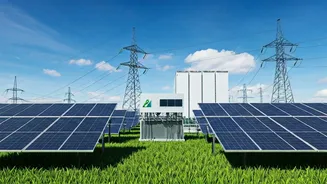
A significant area of focus within the Union Budget is expected to be on battery storage technologies. The government's strategic emphasis indicates a commitment to advancing energy efficiency and promoting renewable sources. Investments in battery storage infrastructure could potentially alleviate some challenges linked with grid stability. Such improvements are critical for better integration of intermittent renewable energy sources, such as solar and wind power. The anticipated investments and initiatives in battery storage are likely to attract both public and private sector interest, thereby fostering innovation and driving down costs. By encouraging battery storage solutions, the budget can enhance energy security. Consequently, this leads to a more sustainable energy model, reducing dependence on fossil fuels and encouraging a cleaner environment for the future.
Grid Expansion Initiatives
Another key component of the Union Budget’s green energy agenda is the continued emphasis on grid expansion. The expansion of the existing power grid is essential for distributing generated renewable energy across the country. This effort involves upgrading the current infrastructure and creating new transmission lines, substations, and smart grid technologies to enhance the transmission capacity. Investment in the grid infrastructure is crucial for efficiently transporting electricity from renewable energy plants to consumers. With an enlarged, modern grid, the efficiency of power distribution will increase. Such investments can also provide opportunities for creating jobs and driving technological advancements in the energy sector. This helps in achieving national energy goals and fosters economic growth in the sector. These steps will ensure that green energy sources are successfully integrated into India's overall energy mix.
Green Energy Investments
The Union Budget is likely to emphasize green energy initiatives as an essential element of the country's development strategy. This focus encompasses support for a variety of projects, including renewable energy generation, energy efficiency, and sustainable infrastructure. Anticipated initiatives may include financial incentives, subsidies, and regulatory reforms that foster the adoption of green technologies. These efforts will promote India's shift toward cleaner energy sources. Green energy projects often require considerable upfront capital, and government support helps to reduce the financial hurdles for businesses and investors. As a result, this can increase private investment. The overall aim is to stimulate a transition to a low-carbon economy. This is in line with global sustainability efforts, thereby securing a cleaner, more sustainable energy future for India and its people.