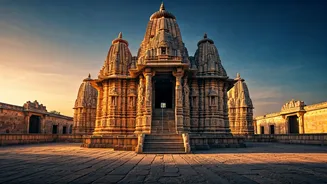








Budget's Cultural Focus
The 2026 Union Budget's specific provisions for cultural tourism form the central focus of this discussion. Analyzing these budgetary allocations involves
careful examination to grasp the government's approach towards promoting and developing the tourism sector. A key aspect is the comparison of these new provisions with those of previous budgets. This comparison sheds light on any shifts in policy, the emergence of new priorities, or the continuation of established strategies. The goal is to provide a comprehensive understanding of how the government plans to leverage its financial tools to strengthen the cultural tourism sector. This detailed analysis helps reveal the underlying intentions and the possible implications of these allocations.
Past Announcement Review
To understand the trajectory of cultural tourism funding, it is crucial to revisit the historical landscape of budget allocations. Reviewing previous key announcements and comparing them to the 2026 provisions offers crucial context. Each budget cycle carries a specific set of projects and funding amounts, reflecting the government's priorities. This review will identify any changes, expansions, or reductions in the financial support offered to the cultural tourism sector. By comparing past allocations with current ones, we can assess the evolution of government strategies. This analysis helps provide a complete picture of the government’s long-term vision and its impact on tourism development. Understanding the consistency or inconsistency of funding across different years offers significant insights into the government's approach.
Revenue Collection Changes
The 2026 Union Budget showcases a shift in focus from traditional revenue collection to achieving 'institutional maturity.' This involves a transformation in how resources are managed and employed within the cultural tourism sector. This pivot suggests an effort to streamline operations, enhance administrative efficiency, and promote a more sustainable model for growth. Institutional maturity often involves enhanced oversight, the adoption of advanced technologies, and a strategic investment in skills and infrastructure. It aims to develop a robust ecosystem that supports tourism. These changes may involve initiatives to strengthen local economies, create jobs, and improve visitor experiences. The ultimate goal is to generate better results and make the sector more resilient and capable of managing future challenges and opportunities.
Impacting Cultural Tourism
The various provisions included in the 2026 budget have the potential to significantly impact cultural tourism in India. The effect may be evident through the introduction of new projects, changes in the allocation of funding, or the implementation of specific guidelines designed to spur growth. These changes could lead to the preservation of cultural heritage sites, the development of tourism-related infrastructure, and the creation of new employment opportunities. Increased investment in marketing and promotion could draw in both domestic and international tourists. The budget's emphasis on institutional maturity also has the potential to help create a more stable and sustainable tourism industry. This focus will, in turn, contribute to the economic growth of local communities and provide visitors with a deeper understanding of India’s rich cultural heritage.
Future Strategies Explored
The 2026 budget gives insight into the future strategies for cultural tourism in India. An examination of the budget's provisions reveals the intended direction of future investments, project development, and policy implementation. These future strategies likely encompass a multifaceted approach that involves investing in infrastructure, advancing technology, and focusing on sustainable tourism practices. The budget suggests a long-term vision aimed at ensuring that India's cultural assets are preserved for posterity while also offering economic benefits. This strategy may incorporate plans to attract diverse visitor groups, boost local economies, and promote India as a premier tourism destination. The focus will be on aligning with global trends, integrating innovative technologies, and fostering responsible tourism practices to solidify the sector's long-term sustainability and success.