





Vulnerability Factors
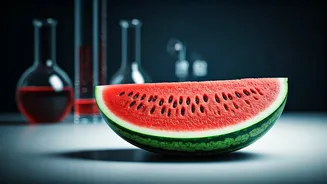
Watermelon's inherent composition, specifically its high water and natural sugar content, creates an ideal environment for rapid bacterial proliferation
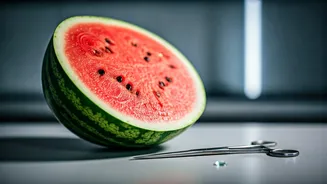
once contamination occurs. This vulnerability is amplified once the fruit is cut open, exposing its moist interior. Contamination can be introduced through various means, including unclean hands, utensils, or surfaces that come into contact with the fruit. Additionally, during the entire journey from farm to table—encompassing transportation, storage, and display—watermelons can be exposed to unsanitary conditions, such as dirty crates or the touch of unhygienic hands. The potential for contamination extends even to the farming stage, where exposure to agricultural chemicals like organophosphates poses a risk, potentially affecting the nervous system if ingested in significant quantities.
Dangerous Microbial Threats
The primary danger arises when watermelons become tainted with specific pathogenic bacteria. Organisms such as Salmonella, Listeria, and harmful strains of E. coli can transform a delightful treat into a serious health hazard. Ingesting these bacteria can lead to severe gastrointestinal distress, intense dehydration, and in more serious cases, systemic infections like sepsis. These infections can critically impact vital organs, and without prompt medical intervention, can unfortunately result in fatalities. The risk is exacerbated by common practices like leaving cut watermelon at room temperature for extended periods, as the warm, moist, and sugary conditions create a perfect incubator for microbial growth. Street vendors have also been identified as a source of contamination, with studies revealing alarming levels of bacteria like E. coli, Salmonella, and Shigella in sliced watermelon sold by them, underscoring the critical role of handling and hygiene.
Preventive Measures
Ensuring the safety of your watermelon consumption involves several straightforward precautions. When selecting a watermelon, opt for one that feels substantial for its size and emits a slightly hollow sound when tapped; a shiny surface might indicate chemical treatment and should be avoided. Crucially, always wash the outer rind thoroughly under running water before slicing, even though the rind itself is not eaten, as bacteria can transfer from the exterior to the flesh. Soaking the melon in a baking soda solution can further aid in its cleanliness. Utilize clean knives and chopping boards for preparation, and promptly refrigerate any cut watermelon. Finally, pay attention to sensory cues; if the fruit has an off-putting smell when cut, it is best to discard it to prevent potential health issues.