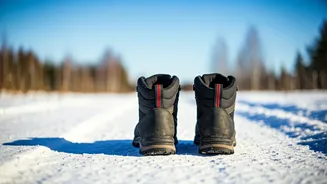









Layer Up Smartly
When venturing out into the cold, appropriate clothing is critical for comfort and safety. The key is layering: wearing multiple thin layers instead of
a single thick one traps air between the layers, providing better insulation. Start with a moisture-wicking base layer next to your skin to draw away sweat. Follow this with insulating mid-layers like fleece or a light sweater. Finally, a waterproof and windproof outer layer shields you from the elements. Don't forget accessories such as a hat to prevent heat loss, gloves or mittens to keep hands warm, and a scarf or neck gaiter to protect your face. Ensure that all items are breathable to avoid overheating and sweating, which could make you feel colder. Remember that you may need to adjust the layers as your activity level and the temperature change throughout your walk.
Modify Your Route
Adjusting your walking route is a practical approach to overcome the challenges posed by cold weather. Consider shortening your walks, if necessary, and taking them multiple times a day instead of one long session. This reduces your overall exposure to the cold. Explore routes that offer shelter from the wind, such as paths through wooded areas, along buildings, or within parks where trees provide some protection. For those with access, indoor options like shopping malls, community centers, or gyms can be invaluable alternatives. Walking on a treadmill is another excellent way to maintain your step count, especially during harsh weather conditions. To enhance the experience, create a playlist of your favorite music or listen to podcasts to make your indoor walking more enjoyable and keep you motivated.
Embrace Indoor Activities
Incorporating indoor activities is an excellent way to accumulate steps and stay active when it's too cold to walk outside. Utilize everyday tasks for movement; for example, do chores around the house like vacuuming or sweeping, which can add up to a surprising number of steps. Consider dancing to music; even a 30-minute dance session can contribute significantly to your daily goal. If you have access to a gym, use the treadmill, elliptical, or stair climber. Alternatively, explore online fitness classes that offer various workouts, from yoga to aerobics, allowing you to exercise in a climate-controlled environment. The variety of options ensures you can remain active while also avoiding the elements. Consider breaking up your day with short walking breaks around your home or office if possible.
Plan and Prepare
Effective planning and preparation are crucial to successfully achieving your 10,000-step goal in the cold. Check the weather forecast before you go outside to be prepared for the conditions, and plan your route accordingly. Pack a small bag with essentials, including a water bottle to stay hydrated, a snack to maintain energy levels, and a charged phone for emergencies. Inform someone of your walking plans. Keep your walking gear accessible and ready to go. Having everything prepared beforehand streamlines the process and encourages consistency. It can be useful to set a timer and schedule your walking sessions, incorporating them into your daily schedule like any other essential activity. Use a fitness tracker or app to monitor your steps and track your progress, which can help motivate you and offer insights into your activity levels throughout the day.
Stay Motivated
Maintaining motivation is key to sticking with your walking routine during winter. Set realistic goals and celebrate your achievements along the way; this could be rewarding yourself after completing a certain number of steps or weeks of consistent activity. Find a walking buddy to stay accountable and make the experience more enjoyable. Share your fitness journey with friends and family, discuss your progress, and get encouragement from others. Consider joining a walking group or community; the camaraderie and support can make a big difference. Embrace the challenge and view cold weather walking as an opportunity to be resilient and stay committed to your fitness objectives. Focusing on the positive aspects of walking, like improved health, stress reduction, and overall well-being, helps make the experience more rewarding and sustainable.