






The Hidden Dangers
Many of us reach for mouthwash to achieve that squeaky-clean feeling, believing it's essential for good oral hygiene. However, a growing concern among
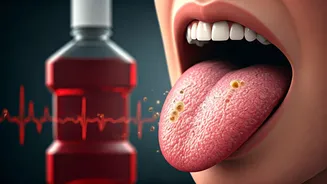
dental professionals suggests that this daily ritual might be inadvertently causing harm. Specifically, the ingredients found in many popular mouthwashes, particularly those containing alcohol, can significantly disrupt the delicate ecosystem of bacteria residing in our mouths. This disruption isn't just limited to our oral health; it has systemic implications. The natural balance of microorganisms, known as the oral microbiome, plays a critical role in various bodily functions. When this balance is upset by harsh mouthwash chemicals, it can lead to a reduction in the production of nitric oxide, a vital compound responsible for regulating blood pressure. This imbalance can set off a chain reaction, potentially increasing the risk of cardiovascular diseases and metabolic disorders like diabetes. Dentists are now urging a more mindful approach to oral care, recommending that mouthwash use be approached with caution and that regular brushing and flossing should remain the primary methods for maintaining oral hygiene.
Microbiome's Critical Role
The belief that a '99.9% clean' mouth is the ultimate goal of oral hygiene is being challenged by emerging research. Dr. Mark Burhenne, a dentist with extensive experience, highlights that an estimated 200 million Americans may be unknowingly impacting their health through their morning mouthwash routine. He explains that the indiscriminate nature of many mouthwashes wipes out not only harmful bacteria but also the beneficial ones that are essential for producing nitric oxide. This molecule is paramount for maintaining healthy blood pressure, ensuring proper insulin sensitivity, and supporting overall cardiovascular function. The consequence of this bacterial depletion is a potential increase in health risks. Studies have indicated a correlation between frequent mouthwash use and adverse health outcomes, including a significantly higher risk of developing prediabetes or diabetes, and a more than doubled risk of developing high blood pressure. Furthermore, research suggests that mouthwash can even negate the cardiovascular benefits of exercise, completely diminishing them within a couple of hours after use.
Expert Advice on Use
While the potential risks are significant, it's important to understand that not all mouthwashes are problematic, and the key lies in appropriate usage. Experts emphasize that mouthwash itself isn't inherently dangerous; rather, it's the frequency and type of mouthwash that warrant attention. For everyday oral hygiene, the cornerstones remain thorough brushing twice daily and consistent flossing to clean between teeth. If you opt for mouthwash, consider alcohol-free and antiseptic-free formulations that are less likely to disrupt the beneficial bacteria. For specific dental conditions that require stronger treatments, prescription mouthwashes like chlorhexidine should only be used as directed by a dentist for a fixed period. Routine use of common fluoride or Betadine mouthwashes, which are clinically approved and considered safe for oral bacteria, can be used once or twice daily as needed. Consulting with your dentist before making substantial changes to your oral care routine is always recommended, especially if you have any existing dental concerns.
Holistic Oral Care
The connection between the health of your mouth and the health of your heart is undeniable, with substantial evidence linking poor oral hygiene to an increased risk of cardiovascular disorders. Therefore, maintaining robust oral hygiene is paramount for overall well-being. The most effective and recommended daily routine involves brushing your teeth diligently twice a day with standard fluoride toothpaste and regularly flossing to ensure all areas between teeth are cleaned. This fundamental practice is the most crucial step in maintaining a healthy mouth and a balanced oral microbiome. Occasional use of readily available fluoride mouthwashes is generally considered safe and can supplement this routine. However, for any persistent dental issues or when considering significant alterations to your oral hygiene practices, seeking professional advice from your dentist is the best course of action to ensure you maintain both oral and overall systemic health.