







Choosing Your Path
Deciding how to tackle the Path of the Gods is one of the first decisions you'll make. This choice hinges on personal preference, experience, and the level
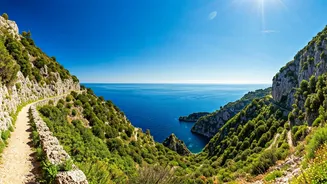
of support you desire during your hike. Hiking solo offers independence and solitude, allowing you to move at your own pace and connect intimately with the scenery. However, this option requires strong self-reliance. Conversely, hiking with a guide provides numerous benefits. A guide's expertise enhances safety, providing valuable insights into the trail, local flora, and historical landmarks. They also handle logistical challenges, allowing you to fully enjoy the experience. The choice between these paths is ultimately yours. Weigh the pros and cons based on your comfort level and desires for the adventure. Whether you value independence or appreciate informed guidance, both paths lead to an incredible experience on the Path of the Gods.
Best Time to Go
Timing is crucial for an enjoyable hike on the Path of the Gods. The Amalfi Coast enjoys a Mediterranean climate, influencing the ideal seasons for trekking. Spring (April-May) and autumn (September-October) are generally regarded as the best times to visit. During these periods, the weather is mild, offering comfortable hiking conditions. Temperatures are pleasant, and the trails are less crowded compared to the peak summer months. In summer (June-August), the weather can be hot, which might be taxing for some hikers. While the views are spectacular, the heat can make the hike more strenuous. Also, the trails are busier, which can detract from the serene experience. Winter (November-March) can bring rain and colder temperatures. Some trails might be closed or difficult to access. Therefore, when you plan your visit, align it with the spring and autumn seasons to have the best experience on the Path of the Gods, enhancing your comfort and enjoyment.
Pack Essentials for Hiking
Proper packing is essential for a safe and enjoyable hike along the Path of the Gods. Your backpack should contain several key items to ensure preparedness. First and foremost, wear sturdy hiking boots that offer good ankle support and grip, vital for the rocky terrain. Carry at least 2 liters of water to stay hydrated throughout the hike, especially under the sun. Sunscreen, a hat, and sunglasses are vital to shield yourself from the sun's intense rays. Don't forget to pack a light, breathable layer of clothing, and consider bringing rain gear in case of unexpected weather changes. A first-aid kit, containing basic supplies like bandages, antiseptic wipes, and pain relievers, is crucial. Snacks, such as energy bars, nuts, or fruit, are also necessary to keep energy levels up during the hike. A map and a compass or a GPS device can help you navigate the trail, though it is usually well-marked. Finally, a fully charged mobile phone is always important for communication or in case of emergencies, allowing you to capture memories of this hike and share them with your loved ones.