




A Rich Weaving Legacy
India's textile landscape is a vibrant tapestry woven with diverse regional crafts, each holding a unique historical narrative. While celebrated weaves
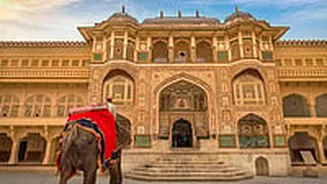
like Banarasi and Kanjeevaram grace global runways, a multitude of other traditional textiles quietly persist, their intricate artistry deserving of wider recognition. Among these treasures is the Lalitpur zari silk saree, originating from the historic Bundelkhand region. Nestled at the crossroads of Madhya Pradesh and Uttar Pradesh, Lalitpur itself is a locale steeped in history, recognized for its ancient forts and temples, reflecting a deep-rooted heritage of traditional crafts. Within this culturally rich environment, dedicated weaving communities have meticulously safeguarded and passed down the specialized techniques for creating these distinctive sarees, ensuring the art form's continuity through generations of skilled artisans.
The Art of Zari Silk
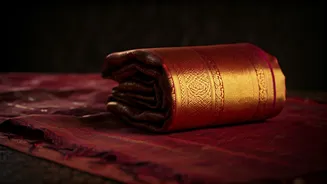
The hallmark of Lalitpur zari silk sarees lies in the elegant fusion of lustrous silk fabric with the intricate detailing of metallic zari threads. The fine silk provides a smooth yet structured drape, offering a luxurious feel. Adorning the borders and pallus, traditional zari motifs are meticulously woven, creating a captivating contrast. These intricate patterns are deeply inspired by the natural world, the distinct architectural styles found in the region, and the sacred temple designs prevalent in Bundelkhand. The color palette is predominantly characterized by the shimmering hues of gold and silver, which serve to exquisitely accentuate the detailed zari work, lending an aura of timeless elegance and opulence to each creation.
The Weaving Process
Crafting a Lalitpur zari silk saree is a labor-intensive endeavor, demanding precision and skill at every stage. It commences with the meticulous preparation of the silk yarn, which involves thorough cleaning of the raw threads, followed by dyeing them in chosen colors, and then carefully winding them onto spools. Subsequently, the design phase takes place, where artisans meticulously map out the intricate motifs and patterns intended for the saree before the weaving process begins. The handloom is then expertly set up by artisans, with the warp and weft threads precisely arranged. The crucial step of weaving with metallic zari threads follows, where they are skillfully inserted to form the elaborate borders and decorative motifs. The final stage involves finishing and polishing each piece, with the entire process often taking several days to complete, highlighting the dedication invested in each individual saree.
Challenges and Revival
Despite its profound artistry and rich heritage, the Lalitpur zari silk weave struggles to gain widespread recognition, often overshadowed by more prominent textile centers. This under-the-radar status is attributed to several factors, including limited marketing initiatives compared to major textile hubs, the smaller scale of weaving clusters, a general lack of national exposure, and the intense competition from mass-produced, machine-made textiles. However, a growing global consciousness towards sustainable fashion, a renewed appreciation for slow craftsmanship, and an increasing interest in regional and heritage textiles are creating a promising environment. This shift in consumer preference for authentic, artisanal products offers a potential pathway for the Lalitpur zari silk saree to experience a renaissance and secure a brighter future.