





Sweet Beginnings: Meethe Chawal
Kicking off the Baisakhi feast is Meethe Chawal, a delightful sweet rice dish that perfectly encapsulates the joyous spirit of the festival. This preparation,
often enhanced with ingredients like fragrant saffron, crunchy roasted nuts, and a touch of ghee, goes beyond mere flavour. Its sweetness is a direct reflection of the happiness and prosperity associated with the harvest season and the dawning of the new year. The inclusion of rich components like kesar and nuts signifies good fortune and an abundant future, setting a positive and auspicious tone for the celebrations and reflecting the deep-rooted cultural appreciation for life's blessings. This dish serves as a warm invitation to partake in the festivities, symbolizing new beginnings and the sweetness of life's rewards.
Hearty Comfort: Kadhi Chawal
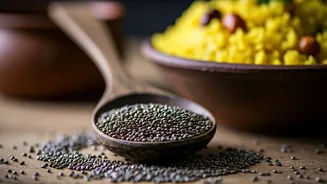
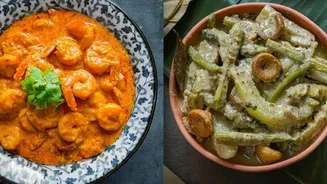
A staple that brings comfort and togetherness, Kadhi Chawal is a beloved combination during Baisakhi. The kadhi itself is a savory preparation, typically made from a base of gram flour and yogurt or buttermilk, seasoned with a tempering of mustard seeds, curry leaves, and a hint of dry red chili for warmth. This flavorful gravy is served alongside fluffy steamed rice, creating a balanced and satisfying meal. Its significance during Baisakhi lies in its communal aspect; it's often prepared in generous quantities, embodying the true spirit of sharing and community that defines this harvest festival. This dish is a culinary representation of unity and the collective joy derived from a successful harvest, fostering a sense of belonging among all who share it.
Refreshing Elixir: Lassi
Beat the warmth of spring festivities with Lassi, a quintessential North Indian beverage that is a Baisakhi must-have. Crafted from creamy curd, sweetened with sugar, and often enriched with malai, its flavour can be enhanced with rose syrup or adorned with chopped nuts and a
Flavorful Indulgence: Amritsari Chole
Adding a spicy, robust dimension to the Baisakhi spread is Amritsari Chole. This popular chickpea dish is renowned for its rich blend of ground spices, often incorporating ingredients like onion, fresh coriander, ginger, and a tangy splash of lemon juice. While typically enjoyed with bhature or kulcha, the chole themselves are a powerhouse of nutrition, offering vital plant-based protein and sustained energy to fuel long hours of celebration. Culturally, this dish speaks volumes about the warmth and hospitality of Punjabi households, where the slow simmering of soaked chickpeas with hand-pounded spices, culminating in a slightly mashed, thick consistency, is a labor of love, reflecting deep-seated traditions of communal feasting and shared joy.
Sacred Offering: Kada Prasad
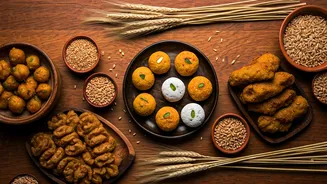
At the heart of Baisakhi's spiritual and communal traditions lies Kada Prasad, a sacred offering prepared with devotion. This energy-dense dish is made from whole wheat flour, generously blended with ghee and sweetened with sugar or sugar syrup. Its preparation is a ritual, with the Prasad first offered to the divine before being distributed amongst all attendees, irrespective of their background. Nutritionally rich, it symbolizes the abundance and prosperity that the harvest season brings. Culturally, the act of making and sharing Kada Prasad equally underscores the festival's core message: that the true essence of Baisakhi lies in gratitude, sharing, and a profound spiritual connection with one another and with nature's bounty.