
Running's Muscle Impact
Running, at its core, is a cardiovascular activity. The primary emphasis is on endurance and burning calories. While it's fantastic for overall health
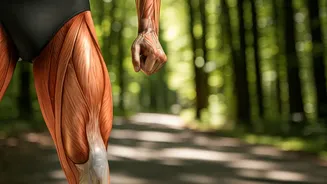
and fat loss, building significant muscle mass through running alone presents a unique challenge. Running tends to be a catabolic activity, meaning it can sometimes break down muscle tissue if not balanced properly with the right nutrition and recovery. The focus is mainly on the lower body muscles, such as the quadriceps, hamstrings, and calves, which get a workout during the consistent impact and propulsion involved in each stride. However, upper body muscles don’t receive a direct stimulus for growth through running. Moreover, the intensity and type of running matter. Long-distance running may not lead to significant muscle hypertrophy, but interval training or hill sprints can contribute to some muscle development.
Types of Exercises
To build muscle effectively, incorporating resistance training is crucial. This can involve weightlifting, bodyweight exercises, or other forms of resistance that challenge your muscles and promote growth. Bodyweight exercises, such as push-ups, squats, and planks, can be incorporated into a routine to target multiple muscle groups. These are easily adaptable and can be done at any location. Weightlifting exercises like bench presses, squats, and deadlifts, are the gold standard for muscle hypertrophy, which involves lifting external weights. The progressive overload principle suggests that gradually increasing the weight, reps, or sets over time is the most efficient way to build muscle. Combining resistance training with running can offer comprehensive fitness, aiding in fat loss and muscle growth.
Body Composition Influence
Body composition, referring to the ratio of fat to muscle mass, plays a significant role in how you look and feel. Losing fat can make the muscles more visible, creating the appearance of a more muscular physique. Running helps burn calories and can contribute to fat loss, which can indirectly enhance the definition of existing muscles. To build muscle, it's essential to eat a diet that supports growth. This involves consuming enough protein to repair and build muscle tissue, adequate carbohydrates for energy, and healthy fats. Without a proper diet, building muscle becomes challenging, regardless of the exercise program followed. Muscle hypertrophy requires a calorie surplus, meaning consuming more calories than you burn. Without this surplus, the body may struggle to build new muscle tissue.
Nutrition and Recovery
Proper nutrition and sufficient recovery are critical components of muscle building. Protein is the cornerstone of muscle repair and growth. Aim to consume approximately 1.6 to 2.2 grams of protein per kilogram of body weight each day. Carbohydrates provide the energy needed for workouts and help to replenish glycogen stores. Healthy fats support hormone production and overall health. Rest is equally important for muscle growth. Muscles grow during the rest and recovery phases. Aim for seven to nine hours of quality sleep per night. Avoid overtraining and allow the muscles to recover fully between workouts. Consider active recovery methods like light stretching or yoga on rest days to improve blood flow and reduce soreness. Drinking enough water supports various body functions, including muscle recovery and protein synthesis.
Combining Running, Strength
You can absolutely combine your 5K runs with strength training to optimize muscle development. Schedule your running and strength training on different days, or space them out by a few hours. This allows for adequate recovery. Focus on compound exercises like squats, deadlifts, bench presses, and overhead presses, as they engage multiple muscle groups simultaneously. Ensure you are getting enough protein, carbohydrates, and healthy fats to support your muscle-building goals. Prioritize sleep and other recovery methods like stretching and massage. Listen to your body and adjust your training program as needed. If you feel fatigued or experience any injuries, take rest days to prevent overtraining. By integrating these strategies, you can improve your physique with a combination of cardio and strength training.