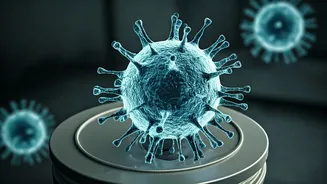








What Is Nipah?
Nipah virus (NiV) is a zoonotic virus, meaning it's transmitted from animals to humans. First recognized in Malaysia in 1999, it's caused outbreaks primarily
in South and Southeast Asia. The virus's name comes from the place it was first identified: Sungai Nipah, a village in Malaysia. It is spread through contact with infected animals like bats and pigs, or through the consumption of food contaminated by these animals. The virus can also spread from human to human through close contact. Nipah can lead to a range of illnesses, from asymptomatic (no visible symptoms) to acute respiratory illness and fatal encephalitis (brain swelling).
Symptoms of Infection
The symptoms of Nipah virus infection can vary, but typically appear within 5 to 14 days after exposure. Common symptoms include fever, headaches, muscle pain (myalgia), vomiting, and sore throat. In more severe cases, it can lead to encephalitis, which causes inflammation of the brain. This can result in drowsiness, disorientation, seizures, and even coma. Respiratory problems, like severe cough and difficulty breathing, may also occur. Sadly, the fatality rate for Nipah virus infections can be quite high, ranging from 40% to 75% depending on the specific outbreak and the capacity of healthcare facilities to provide support. It's important to remember that the incubation period, that is, the time between infection and the appearance of symptoms, can also extend to as long as 45 days in some instances.
Transmission and Spread
Nipah virus spreads in several ways. The primary method of transmission is through direct contact with infected animals, particularly fruit bats, which are the natural reservoir for the virus. Humans can become infected if they come into contact with bat saliva, urine, or feces, or by eating fruits that have been contaminated by the bats. Pigs can also be a source of infection, and human-to-human transmission through close contact has been documented. This might occur through droplets from coughs and sneezes or through direct contact with body fluids of an infected person. In outbreaks, close monitoring of healthcare workers is crucial, due to potential risks. Furthermore, consuming raw date palm sap, a common practice in some regions, can pose a risk because bats sometimes contaminate it. Preventing the virus involves measures such as avoiding contact with infected animals, practicing good hygiene, and seeking prompt medical attention if symptoms appear.
Public Health Measures
Controlling the spread of Nipah virus requires a multifaceted approach by public health authorities. One of the main approaches is to identify and isolate infected individuals quickly to curb the disease's spread. Contact tracing is crucial, meaning that health officials must find everyone who has had close contact with an infected person to monitor them for symptoms and prevent further spread. Another important factor is educating the public about the risks of the virus and how to avoid infection. Healthcare professionals should be trained in infection control procedures to handle patients safely and prevent the virus from spreading within healthcare settings. In areas where Nipah is known to be present, there may be restrictions on the movement of animals, like pigs, and surveillance programs to monitor the presence of the virus in animals.
Treatment and Prevention
Currently, there's no specific cure or vaccine for Nipah virus infection. Healthcare typically focuses on supportive care to manage symptoms. This may include providing respiratory support (oxygen or a ventilator) and treating any secondary infections that might occur. Antiviral medications, such as ribavirin, have been used in some cases, although their effectiveness is still under research. The focus on preventing Nipah virus centers on avoiding contact with the virus. This involves measures such as avoiding contact with fruit bats or their habitats, washing hands thoroughly with soap and water after handling animals or being in areas where the virus might be present, and avoiding consumption of raw or undercooked foods that could be contaminated, especially date palm sap. People showing symptoms should promptly seek medical attention for diagnosis and management.
Ongoing Research Efforts
Researchers around the world are continuously working to understand the Nipah virus better. A major area of focus is the development of vaccines and antiviral treatments. There are several vaccine candidates in development, but none are yet approved for widespread use. Scientists are also working to discover new antiviral drugs that can effectively combat the virus. Understanding the virus's transmission patterns and how it interacts with the human body is also an active area of research. This includes mapping the specific strains of the virus, studying how it spreads through different animal hosts, and learning how the virus affects different parts of the human body. Public health agencies also support this research by coordinating and sharing data, improving diagnostics, and training healthcare professionals.