



Paro: Gateway to Bhutan
Paro, the entry point for most visitors to Bhutan, boasts the Paro Taktsang monastery, also known as Tiger’s Nest. This iconic monastery clings to a cliffside,
offering breathtaking views and a glimpse into Bhutanese spirituality. Beyond the Tiger’s Nest, explore the charming Paro town, with its traditional architecture, local markets, and serene atmosphere. Visitors often find themselves captivated by the beauty of Rinpung Dzong, a historic fortress-monastery showcasing exquisite Bhutanese craftsmanship. The valley offers opportunities for trekking, immersing yourself in the natural beauty surrounding Paro. Furthermore, the Paro airport itself is a notable experience, known for its challenging approach, adding to the sense of adventure upon arrival.
Thimphu: Bhutan's Capital
Thimphu, the vibrant capital city, blends modern amenities with traditional culture. Visit the iconic Buddha Dordenma statue, a massive golden Buddha overlooking the valley, offering panoramic views. Explore the Tashichho Dzong, a stunning fortress-monastery that serves as the seat of the government. The weekend market in Thimphu is a lively experience, where you can find local produce, handicrafts, and interact with residents. Discover the National Memorial Chorten, a memorial dedicated to world peace, and witness the daily rituals of locals. Museums, traditional paper factories, and craft shops offer insights into Bhutanese art, history, and craftsmanship, immersing you in the local culture.
Punakha: Valley of Rivers
Punakha, a historic capital, sits at the confluence of the Mo Chu and Pho Chu rivers. Explore the majestic Punakha Dzong, one of the most beautiful fortresses in Bhutan. Visitors can enjoy the stunning views of the surrounding valley. The Punakha Suspension Bridge, one of the longest in Bhutan, provides a thrilling experience with scenic river views. Hike through rice paddies and villages, experiencing rural life and the local culture. The fertility temple, Chimi Lhakhang, is also a site to visit and learn about local beliefs. With its picturesque landscapes and historical significance, Punakha offers a captivating experience.
Dochu La: Mountain Pass
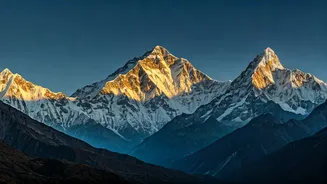
Dochu La is a mountain pass offering breathtaking panoramic views of the Himalayas on a clear day. The pass is adorned with 108 memorial chortens, adding to the spiritual significance of the area. Travelers can take photos, and absorb the breathtaking vistas of the mountain ranges, including the highest peak in Bhutan. The Druk Wangyal Lhakhang, a temple dedicated to the fourth Druk Gyalpo, adds cultural importance. It's a convenient stopover between Thimphu and Punakha. It is also an ideal place for those seeking spiritual reflection and enjoying natural beauty.
Phobjikha Valley: Glacial Beauty
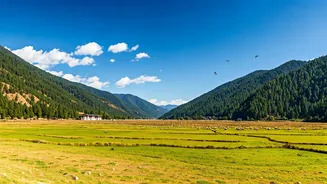
The Phobjikha Valley is a U-shaped glacial valley and home to the endangered black-necked cranes in winter. Hike across lush meadows, and observe the cranes, making their way to their winter habitat from Tibet. Visit the Gangtey Monastery, a significant religious site that adds to the beauty of the valley. Enjoy the tranquility and peaceful atmosphere of this remote location. The valley's conservation efforts are important, as it contributes to eco-tourism and preservation. It provides a unique opportunity to witness the remarkable biodiversity of Bhutan.
Bumthang: Spiritual Heartland
Bumthang, the spiritual heartland of Bhutan, is a region of lush valleys and sacred sites. Explore the four valleys of Bumthang: Ura, Chumey, Tang, and Choekhor. The Jakar Dzong, located in Choekhor valley is one of the important monasteries here. Visit the Jambay Lhakhang, one of the oldest temples in Bhutan. Discover the historic sites like Kurjey Lhakhang, which is one of the most sacred temples, adding to the cultural experience. You can enjoy the natural beauty of the region, and explore the monasteries, temples, and valleys. It is known for its serene environment and stunning scenery.
Laya: High Altitude Village
Laya, the highest village in Bhutan, is known for its unique culture and traditions. Experience the Layap people's way of life and distinct costumes. Travelers can go on treks to this remote village, and enjoy views of the Himalayas. You can learn about the local customs and interact with residents. The village provides an immersive cultural experience, where the traditions are preserved through generations. It is also a chance to witness the preservation of a unique culture. This experience is a chance to interact with a community far away from the regular travel routes.
Haa Valley: Hidden Gem
Haa Valley is a hidden gem in Bhutan, offering stunning landscapes and a peaceful atmosphere. Explore the Haa Dzong, a historic fort that adds to the cultural significance of the region. The Chele La Pass, which connects Haa and Paro Valleys, is a great place to experience the beauty of the region. Enjoy hiking and trekking opportunities in the area, enjoying the beauty of the natural world. Interact with the locals and learn about the local traditions. It is a more untouched region, offering a serene escape. Haa Valley is the perfect location for the travelers looking for a less crowded travel destination.
Khoma: Weaving Village
Khoma, the village known for its intricate textile weaving, allows you to witness the craftsmanship of Bhutanese textiles. Watch the skilled weavers create elaborate designs and learn about their traditional techniques. You can buy the handwoven textiles, which are made by the local women. Enjoy the cultural experience of being there and learn the process from the beginning to the end. The visit gives the opportunity to support the local community and get to know the intricate art of weaving. Witness the women and understand their passion. It is the perfect place to experience Bhutanese culture and buy unique products.