






Protein Isn't Just Bulking
The first myth often encountered is that protein's primary function is solely for muscle growth, or bulking. However, protein plays a far broader role
in the body. It’s essential for nearly all bodily functions, including enzyme production, hormone synthesis, and cell repair. While protein is indeed critical for muscle building, its significance extends far beyond that. The body requires protein for maintaining overall health. A balanced diet with adequate protein supports the immune system, promotes healthy skin, and helps in the transportation of oxygen throughout the body. Therefore, associating protein exclusively with bulking oversimplifies its importance, as it is a crucial element for everyone, regardless of their fitness goals.
Protein Beyond Food
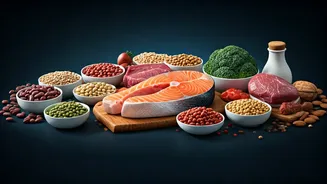
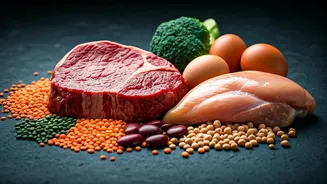
Another prevalent myth suggests that we naturally consume enough protein through regular meals. The reality of protein intake is more nuanced. While many foods contain protein, the amount and quality can differ greatly. It is crucial to evaluate the sources and quantity of protein consumed. Meeting your protein requirements often necessitates a conscious effort to include protein-rich foods in every meal. This could mean incorporating lean meats, poultry, fish, eggs, dairy, and plant-based options such as legumes, tofu, and nuts. Depending on your activity level and fitness objectives, the precise amount of protein required will fluctuate. Therefore, it is important to pay attention to your protein intake and ensure you are meeting your daily requirements through a balanced diet, as relying solely on 'normal food' may not always suffice.
Too Much Protein?
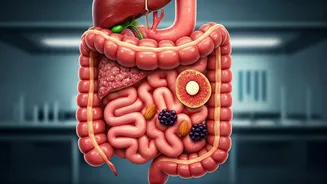
A common concern revolves around the idea that consuming excessive protein is detrimental to the liver. Contrary to this popular belief, for healthy individuals, there is no significant evidence that high protein intake damages the liver. The liver plays a key role in processing protein, and it is capable of handling a varied range of protein intakes. However, for those with pre-existing liver conditions, it's wise to consult a healthcare professional. They can provide personalized advice based on individual health profiles. In general, a high-protein diet does not directly harm the liver of those in good health. It's often other factors, such as excessive alcohol consumption, that may negatively affect liver function.
Protein for All Folks
The perception that protein is exclusively for gym-goers is an inaccurate and limiting belief. Protein is crucial for everyone, not just those focused on fitness. It is essential for various bodily functions, including tissue repair, hormone production, and enzyme activity. While individuals with high activity levels may require more protein to support muscle recovery and growth, it's important for everyone to meet their baseline requirements. These requirements vary depending on factors such as age, sex, and activity level. Athletes, weightlifters, and those aiming to build muscle definitely need more protein, but even those with a sedentary lifestyle need protein to support general health and well-being. Therefore, thinking of protein as something exclusive to gym enthusiasts overlooks its fundamental role in overall health.
Vegetarian Protein Sources
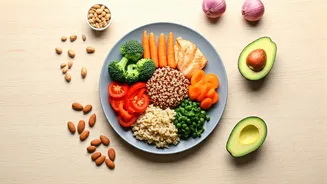
One persistent myth is that vegetarian diets are lacking in sufficient protein. This is a myth that can easily be dispelled with the right information. It’s entirely possible to meet your protein needs through a vegetarian diet. Various plant-based sources are rich in protein and are readily available. These include legumes like lentils and beans, tofu and tempeh made from soybeans, nuts and seeds, and protein-rich grains such as quinoa. By carefully planning meals and including a variety of these foods, vegetarians can certainly achieve adequate protein intake. Moreover, combining different plant-based protein sources can provide a complete amino acid profile, ensuring the body receives all the necessary building blocks for health and function. Therefore, a well-planned vegetarian diet can easily support protein needs.