







Trekking Pole Power
For any age group tackling trails, sturdy trekking poles are paramount. Often misunderstood as a sign of weakness, these poles significantly reduce strain
on the knees and ankles. Beyond joint protection, they promote better upper body posture, aiding circulation and preventing hand swelling. One seasoned traveler deeply regretted not using them on a previous trek, underscoring their importance. Having adjustable, retractable poles that can be easily stowed away is key for adapting to varied terrains. These are not just accessories; they are vital tools for pain-free exploration and sustained energy throughout a hike, turning a potentially arduous journey into a pleasurable one. They ensure a more balanced and secure gait, especially on uneven ground, allowing for longer exploration times and greater enjoyment of the surroundings.
Ankle-Supporting Footwear
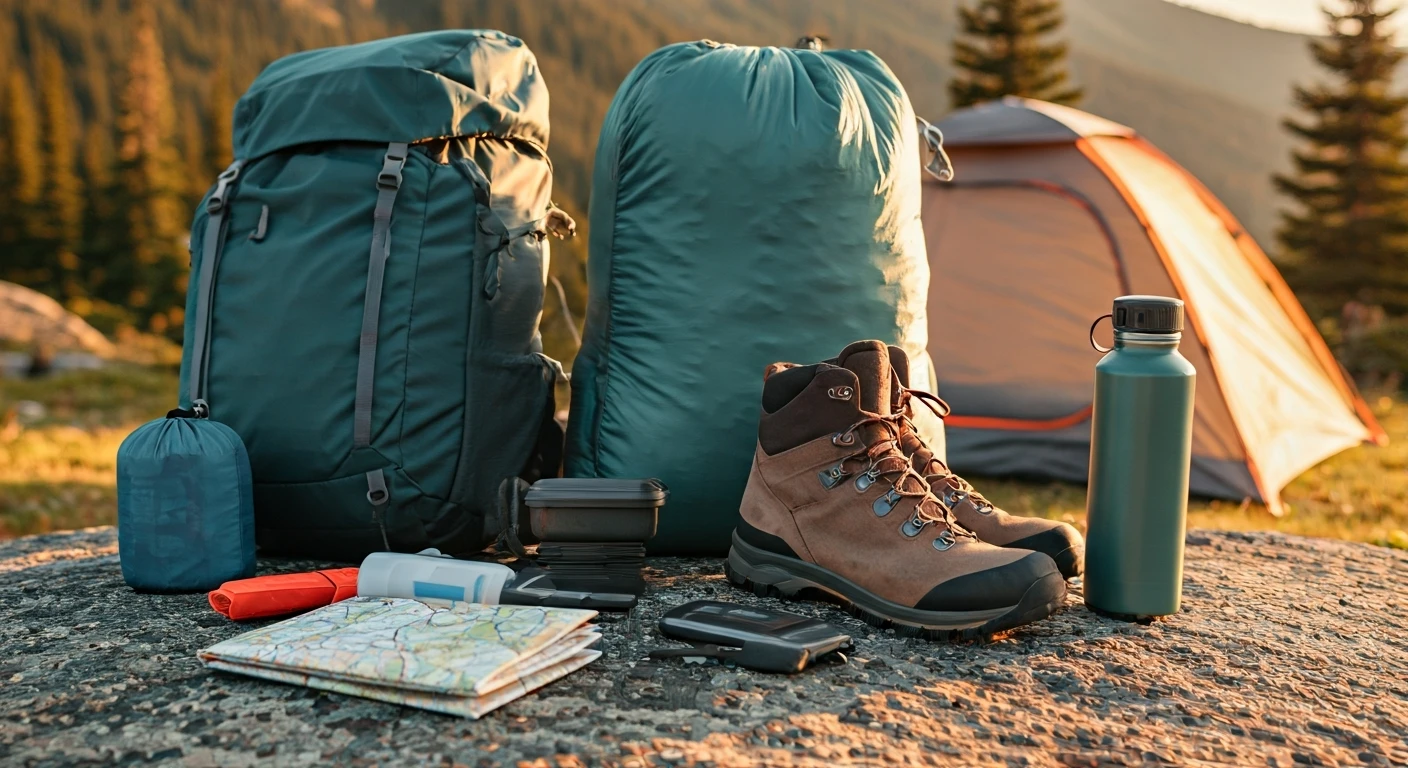
When traversing varied and sometimes challenging landscapes, the right footwear is non-negotiable. Opting for lightweight yet tall hiking boots provides crucial ankle support, preventing the kind of pain that can sideline a trip. While sneakers or hiking shoes might suffice for flatter paths, the unpredictable nature of many trails demands robust protection. These boots should offer a comfortable fit for long hours, acting as a stable foundation for every step. It's also wise to pack a secondary pair of comfortable shoes, such as supportive sneakers, for rest days or exploring towns, allowing feet to breathe and recover. This rotation of footwear ensures maximum comfort and minimizes the risk of blisters and joint strain throughout the expedition.
Lightweight Day Pack
For travelers whose main luggage is transported separately, a high-quality day pack becomes indispensable. This pack should be thoughtfully designed for comfort, breathability, and light weight, accommodating daily necessities like water, snacks, sunscreen, and perhaps even a light jacket. Features such as adjustable chest and hip straps are vital for distributing weight evenly and enhancing stability, especially on inclines. Additionally, external pockets for water bottles and trekking poles offer convenient access. A well-chosen day pack allows for easy mobility and ensures that essential items are readily available without the burden of carrying a larger, more cumbersome bag, making day hikes and excursions a breeze.
Hydration System
Maintaining adequate hydration is critical, particularly on extended backpacking journeys. Trails often feature water sources for refilling, making a hydration reservoir a practical choice. Preferring a system that allows for continuous sipping without needing to stop and retrieve a bottle encourages greater fluid intake. The ease of drinking from a straw with a secure valve prevents leaks and ensures hydration is always accessible. This convenience is key to staying energized and alert, as drinking readily means you're more likely to do it consistently. A well-integrated hydration system is a simple yet effective way to manage fluid intake throughout the day's activities.
Waterproof Outerwear
Even in fair weather forecasts, preparing for unexpected precipitation is crucial for comfort and safety. A lightweight, full-length raincoat offers reliable protection against rain, dew, and fog, often negating the need for separate rain pants. Unlike ponchos, a well-designed coat is easier to manage, especially when wearing a backpack, providing full coverage for the torso and lower body. This ensures you remain dry and comfortable, even during sudden downpours or early morning dampness, allowing you to continue your journey without being hampered by the elements. Its versatility makes it a practical choice for variable weather conditions.
Sun Protection Hat
Prolonged hours outdoors necessitate robust sun protection for the face and neck. Beyond sunscreen, a hat with a wide brim and a neck cape is highly recommended. Such headwear offers substantial defense against harsh UV rays and helps keep the sun out of your eyes. Opt for breathable, sweat-wicking materials to ensure comfort during strenuous activity. The integrated neck cape, which can often be rolled up or tucked away, provides customizable coverage. This functional accessory not only shields your skin but also contributes to overall comfort, making sunny days on the trail more enjoyable and safer for prolonged exposure.
High-SPF Sunscreen
Consistent and diligent sun protection is paramount, even when wearing protective clothing. Sunscreen with a high SPF should be applied liberally and reapplied frequently throughout the day. Choosing products that absorb well without leaving a sticky residue enhances comfort. Carrying a smaller, travel-sized sunscreen in an easily accessible pocket, such as a hip-belt pouch, ensures it's always at hand for quick touch-ups. This practice is vital for preventing sunburn and long-term skin damage, ensuring that your skin remains protected and comfortable during extended periods outdoors, regardless of the weather conditions.
Cordless Power Bank
For maintaining essential electronic devices, a portable power bank is an indispensable tool. A cordless, magnetic option is particularly convenient, eliminating the hassle of tangled wires and making it easier to manage in compact spaces. This ensures that devices like phones, used for navigation, photography, or communication, remain powered throughout the day. Such chargers are also easily shareable among travel companions with compatible devices. Having a reliable power source means you can stay connected, capture memories, and ensure your safety without worrying about running out of battery life during your adventures.
Compact Binoculars
Enhancing the enjoyment of nature, compact binoculars are a valuable addition to any backpacker's kit. These lightweight optics take up minimal space and encourage pauses to appreciate the surrounding environment, from distant vistas to intricate wildlife details. Ideal for amateur naturalists and bird-watchers, they transform a simple hike into an opportunity for discovery. Look for models that are durable and offer clear magnification. The ability to observe the natural world more closely adds a rich dimension to the travel experience, promoting relaxation and a deeper connection with the outdoors.
Luggage Tracker
While not typically considered primary hiking gear, a luggage tracker offers significant peace of mind, especially on longer journeys or when using services that transport bags. These small devices can help locate lost or stolen items and also allow you to monitor the location of companions. In areas with unreliable mobile service, they provide a consistent way for others to know your whereabouts. Whether for ensuring personal safety during solo excursions or tracking the movement of checked bags between locations, a tracker is a smart, modern solution for enhanced security and connectivity.
Comfortable Hiking Socks
Often underestimated, a good pair of hiking socks is fundamental to foot comfort and blister prevention. Socks made from a Merino wool blend offer superior cushioning, moisture-wicking properties, and natural odor resistance. These features are crucial for keeping feet dry and comfortable, especially during long days of walking. Reinforced heels and toes add durability and support, providing a stable base for both hiking shoes and boots. Investing in quality socks significantly contributes to the overall enjoyment of a backpacking trip by ensuring your feet remain well-cared for and pain-free.
Mini First-Aid Kit
Preparedness for minor injuries is essential, making a compact first-aid kit a vital component of any backpacking pack. Such kits typically contain a range of bandages, gauze, antiseptic wipes, pain relievers, and small tools like scissors. Tailoring the contents to personal needs, such as including medication for specific ailments like headaches, further enhances its utility. A water-resistant pouch ensures the contents remain protected. Having immediate access to basic medical supplies can address small cuts, scrapes, or discomforts promptly, preventing them from escalating and detracting from the trip experience.
Smartwatch Features
For senior travelers, a smartwatch offers a wealth of practical functions that enhance safety and convenience on the trail. Beyond telling time and receiving notifications, these devices can track steps, monitor weather changes, and record elevation gain, providing valuable real-time data. For concerned family members, the ability to share location information offers significant peace of mind, allowing them to follow progress and ensure well-being. This integrated technology supports an active lifestyle by providing essential information and connectivity without requiring constant phone usage.
Hands-Free Headlamp
Early morning starts are common on backpacking trips, often before sunrise. A reliable headlamp provides essential hands-free illumination, ensuring safe navigation on trails in low light conditions. Unlike handheld flashlights or phone lights, a headlamp keeps both hands free for balance and movement, significantly improving safety and confidence. This tool is invaluable for setting up camp in the dark, navigating uneven terrain before dawn, or simply moving around camp after sunset. Its utility extends the usable hours of the day and enhances overall safety.
Comfortable Walking Shoes
Beyond the primary hiking footwear, having a comfortable pair of shoes for downtime is crucial. These should be easy to slip on and off, providing a relaxed fit for exploring towns or resting at the end of a hiking day. Look for shoes with supportive soles that offer a bit of a 'rocking' motion, which can help propel you forward and reduce strain on joints. This choice of footwear allows your feet to recover from the rigors of the trail, ensuring comfort and readiness for the next day's activities. It's a simple but effective way to enhance overall travel enjoyment and well-being.