






Understanding Sugar Withdrawal
The initial days of reducing sugar intake can feel like an uphill battle, marked by powerful urges. This intense period is a direct result of your body's
adjustment to a new energy source. When you consistently consume sugar, your body becomes accustomed to receiving quick energy boosts from it. Upon its reduction, your system perceives this as a deprivation, leading to withdrawal symptoms that manifest as strong cravings. This is a temporary phase, as your body is essentially going through a process of recalibration. Consultant Nutritionist Sonal Chandalia explains that the body has been in a state of dependence, akin to an addiction, and the cravings spike because it's signaling its need for the familiar 'sugar shots'. However, as your metabolism adapts and learns to utilize other energy sources more efficiently, these cravings will naturally subside, making the transition smoother.
Smart Swaps, Not Strict Cuts
Instead of completely eliminating all sweetness, a more sustainable approach involves making intelligent substitutions. This strategy helps to satisfy your sweet tooth without causing drastic spikes and subsequent crashes in your energy levels. For instance, opting for whole fruits introduces natural sugars along with fiber and essential nutrients, providing sustained energy and a feeling of fullness. Similarly, homemade desserts prepared with minimal or no added sugar, using ingredients like skim milk, can cater to your desire for something sweet without overindulging. Even a small piece of dark chocolate can be a strategic choice to curb intense cravings. The psychological benefit of these smart swaps is significant; by not feeling deprived, these healthier options gradually integrate into your daily eating patterns, making them a natural part of your nutritional intake rather than a chore.
Building Anti-Binge Habits
Combating sugar cravings extends beyond just what you eat; it also involves establishing routines that support your goals. A crucial habit is to avoid complete self-deprivation. Allowing yourself a small, controlled portion of a healthy sweet treat as part of your daily intake can prevent the overwhelming urge to binge later on. This sense of controlled indulgence reduces the feeling of restriction. Furthermore, strategic meal planning plays a vital role. Incorporating salads and soups before your main meals can significantly curb hunger pangs, ensuring you feel satiated for longer periods. Anticipating your craving triggers is also key; by identifying the times of day when you're most susceptible to cravings, you can proactively consume a light, healthy snack to prevent excessive eating when the urge strikes.
Choosing the Right Snacks
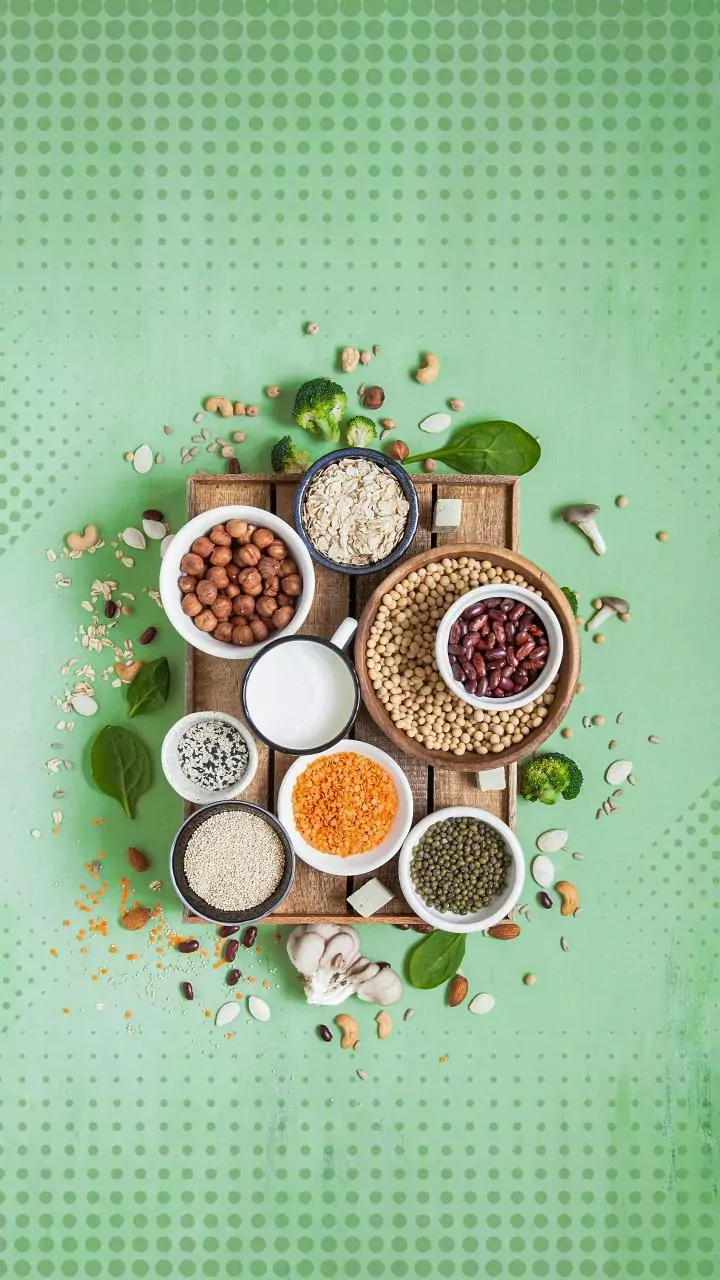
For individuals with less active lifestyles, mindful snacking is paramount to managing sugar cravings effectively. Focus on options that provide sustained energy without causing sharp blood sugar fluctuations. Excellent choices include complex carbohydrates that offer a satisfying crunch, such as roasted chana (chickpeas), makhana (fox nuts), or whole-wheat khakras. Fruits, sprouts, and a small handful of nuts are also beneficial, as they provide nutrients and fiber to keep you feeling full. It's crucial, however, to be wary of packaged 'sugar-free' alternatives. These products often contain other artificial ingredients that may not be healthy and can mislead consumers into believing they are making a superior choice. Prioritizing whole, unprocessed foods for your snacks ensures you are nourishing your body appropriately while keeping sugar cravings at bay.