






Light: A Cellular Signal
Light is far more than just illumination; it's a fundamental biological cue that profoundly influences our cellular functions and internal clock. Our bodies
interpret the spectrum and intensity of light as a direct signal about the time of day, impacting everything from hormone production to sleep-wake cycles. Specialized cells in our eyes, particularly melanopsin receptors, are highly attuned to short-wavelength blue light, which signals our brain to stay alert and suppresses melatonin. This is why standard LED lighting, even 'warm white' varieties, can disrupt our natural rhythms by mimicking daylight well into the evening, telling our cells it's time to be awake rather than preparing for rest. Understanding light as a critical biological input, rather than mere convenience, is the first step toward harnessing its power for better health.
The Amber & Red Advantage
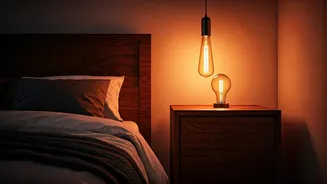
Transitioning to amber and red lighting in the evening is crucial for signaling to your body that it's time to wind down. Unlike standard LEDs that emit disruptive blue wavelengths, true amber or red bulbs (above 600nm) have minimal to no impact on melatonin suppression. These specific wavelengths are perceived by your body as twilight or firelight, initiating the natural rise in melatonin and the drop in cortisol that are essential for sleep preparation. While full red bulbs are an option for those seeking very low light, three-setting circadian bulbs offer a versatile solution, cycling through daylight, amber, and deep red. For bedrooms and bathrooms, dedicated true red bulbs offer the deepest level of darkness, mimicking conditions ideal for sleep and cellular repair, without stimulating the circadian system.
Crafting Your Lighting Schedule
Implementing a structured lighting schedule is key to aligning with your body's natural circadian rhythm. Start your day by maximizing exposure to natural light within 30 minutes of waking, avoiding sunglasses or windows if possible, to reset your internal clock. During daylight hours, standard indoor lighting and screens are generally fine. As early evening approaches, around 6 pm, switch off overhead lights and opt for amber lamps, using blue-light filters on screens if necessary. By late evening, between 8 pm and bedtime, transition to exclusively red or deep amber light in bedrooms and bathrooms, ensuring no overhead lighting is used to protect the crucial rise in melatonin. Overnight, aim for complete darkness, using only a dim red nightlight if absolutely essential for children.
Choosing the Right Bulbs
When selecting amber or red light bulbs, it's vital to look beyond marketing claims and focus on specific technical specifications to avoid wasting money. Prioritize bulbs with zero emissions below 530nm, as this is the critical threshold for melatonin-safe light; verify this through spectral data, not just descriptions. Ensure the bulbs are certified flicker-free, as imperceptible flickering can contribute to headaches and nervous system strain. Be wary of smart bulbs that rely on WiFi or Bluetooth, as these tend to emit higher levels of EMF, which is best minimized in sleep spaces. Color temperature alone (measured in Kelvin) is insufficient; look for actual spectral data. Avoid bulbs with merely a colored plastic shell, as they don't effectively filter blue light; opt for bulbs engineered at the spectral level for true low-blue output.
Beyond Bulbs: Key Considerations
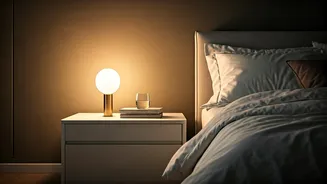
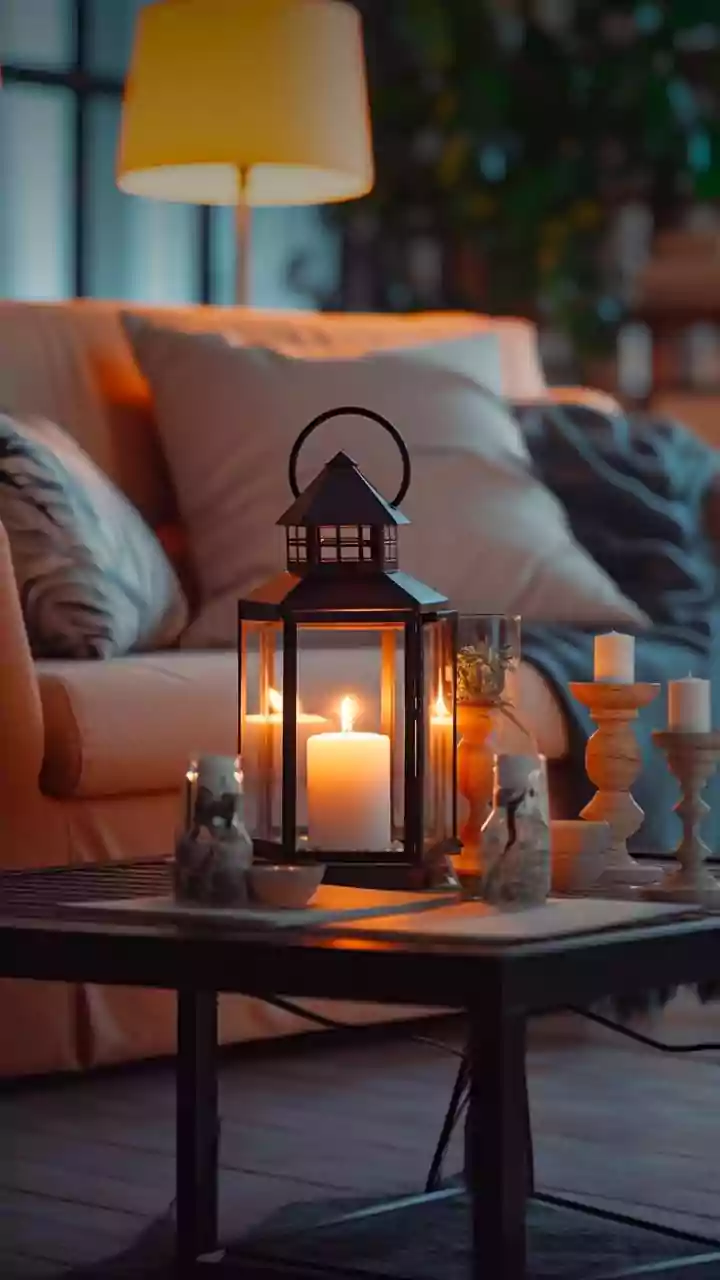
While changing your light bulbs is a high-impact step, other factors also play a role in optimizing your environment for sleep. Overhead lighting should be avoided in the evening, as light entering the eyes from above mimics the intensity of the sun. Instead, utilize floor and table lamps positioned below eye level. Blue-light blocking glasses can offer a partial solution by protecting your eyes, but they are not a complete replacement for changing your ambient lighting, as skin also contains photoreceptors. Dimming standard bulbs reduces intensity but does not alter their disruptive blue wavelength composition. For children, amber and red lighting is especially beneficial, supporting their developing circadian systems and aiding in winding down before bed, often leading to noticeable improvements in sleep within a few nights.