





Understanding Knee Health
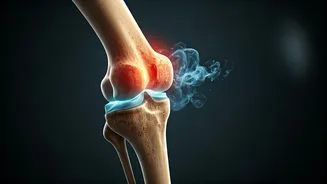
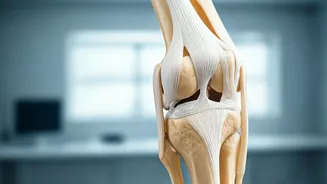
Knee health is crucial for mobility and quality of life. The knee is a complex joint, vulnerable to wear and tear due to daily activities, sports, and aging.
Maintaining good knee health involves a proactive approach that includes proper exercise, weight management, and avoiding activities that can cause excessive strain. Recognizing early warning signs, such as occasional pain, stiffness, or swelling, is vital. Addressing these issues promptly can prevent them from worsening and potentially causing significant joint damage. Seeking professional advice from an orthopaedic doctor is essential for a proper diagnosis and tailored treatment plan that could involve physical therapy, medication, or lifestyle adjustments to protect the knee joint and maintain its functionality. Remember that the decisions we make now significantly impact our knee health in the long run.
Exercise Your Knees
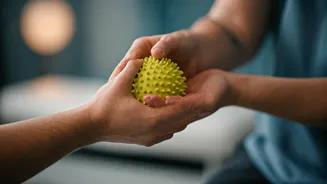
Specific exercises can strengthen the muscles around your knees, providing vital support and stability. Low-impact exercises, like swimming and cycling, are gentle options that improve muscle strength without putting undue stress on the joints. Walking, when done correctly, can also be beneficial, but it's important to use appropriate footwear and maintain good posture to avoid injury. Incorporating exercises that target the quadriceps, hamstrings, and calf muscles is crucial, as these groups are key to knee function. Regular engagement in these exercises enhances blood flow and helps to keep the knee lubricated, reducing stiffness. It is recommended to perform these exercises several times a week, gradually increasing the intensity and duration. If you are uncertain about the appropriate exercises, or experience any pain while performing them, seek guidance from a physical therapist or an orthopaedic specialist.
Watch Your Weight
Excess weight significantly increases the strain on your knees. Each extra pound exerts four times its weight on the knee joints. The impact of weight is most noticeable when performing activities like walking, running, and climbing stairs. The added pressure can accelerate the breakdown of cartilage and other joint components, potentially leading to conditions such as osteoarthritis. Managing your weight can significantly reduce this load, thereby slowing down the progression of joint damage. Combining a healthy diet with consistent exercise promotes weight loss and helps maintain a healthy BMI. It is also important to consult a healthcare professional to determine the appropriate weight range for your body type and to receive a personalized weight loss plan. Prioritizing weight management is a powerful step towards protecting your knees and preventing premature joint degeneration.
Choose Right Activities
The choice of activities can either support or harm your knee health. High-impact activities such as running or jumping can place excessive stress on the joints, potentially leading to inflammation, injury, and accelerated wear. If you enjoy these activities, consider incorporating cross-training or switching to gentler options. Swimming and cycling are excellent choices, as they provide effective exercise with minimal impact. When participating in any activity, pay attention to your body and recognize early warning signs of pain or discomfort. It is critical to rest when needed, and to avoid pushing yourself beyond your body’s limits. Use proper form and, if necessary, seek professional guidance on technique to prevent injuries. Remember that even small adjustments in your activities can yield significant benefits for your knee health over the long term, helping you maintain a high level of mobility and comfort.
Daily Knee Care
Daily knee care involves several practices to maintain healthy joints. Proper warm-up is essential before any physical activity, including gentle stretching and range-of-motion exercises, to prepare the knee for movement. Using cold packs after exercise or during episodes of pain can reduce inflammation and discomfort. Additionally, wearing supportive footwear is important as it provides stability and absorbs some of the impact, thus reducing the stress on the knee. Be mindful of your posture during daily activities like sitting, standing, and walking. Maintaining good posture can help to align your joints and minimize unnecessary pressure. Practicing these daily habits, along with avoiding prolonged periods of inactivity, can significantly support knee health and help to delay any further medical interventions.
Professional Guidance
Seeking professional guidance from an orthopaedic doctor is key to maintaining knee health. Regular check-ups enable early detection of any issues, allowing for prompt interventions before problems worsen. If you experience knee pain, stiffness, or swelling, a doctor can diagnose the underlying issue and prescribe personalized treatment plans. Such plans could include physical therapy, medication, or lifestyle adjustments. Adhering to these recommendations, and seeking regular follow-ups, ensures the best possible outcome for your knee health. Your doctor can guide you through the process, answer your questions, and ensure you're on the right track. Consider any pain or discomfort as a signal to seek professional help and discuss preventative measures. Remember, taking care of your knees involves being proactive, informed, and attentive to your body's signals.