



Unpacking Lip Pigmentation
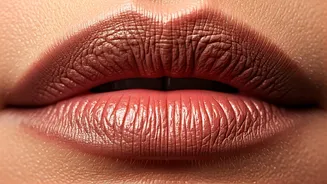
The notion of universally "naturally pink lips" is a beauty myth that doesn't align with reality for a significant portion of the population, particularly
in India. Lip color is a diverse trait influenced by a combination of factors, including an individual's genetic background, overall skin tone, and the prevailing environmental conditions. It's essential to understand that variations in lip color are a normal biological phenomenon, not a flaw to be corrected. Scientific research, such as a 2024 study published in Skin Research and Technology, highlights that the differences in lip shades across various ethnicities can be primarily attributed to two key biological components: melanin and blood circulation. Melanin, the pigment responsible for coloring our skin, hair, and lips, plays a crucial role. Individuals with deeper or dusky complexions naturally possess higher levels of melanin, resulting in more pigmented, darker lips. Conversely, those with less melanin have more translucent lip skin, allowing the underlying red blood vessels to become more visible, which can create a lighter, pinker appearance. Given that a majority of people in India have medium to deep skin tones, having darker lips is a genetically inherited trait and a common biological characteristic, rather than an indicator of any deficiency or problem.
Melanin, Thin Skin, and Sun
The delicate nature of the skin on our lips significantly contributes to how lip color is perceived. This skin is remarkably thin, making even subtle variations in melanin concentration quite noticeable. For individuals with naturally higher melanin levels, this inherent pigmentation is clearly visible on their lips. Furthermore, environmental factors, particularly sun exposure, play a substantial role in altering lip color over time. In regions like India, where sunlight is often intense and prolonged, the skin naturally increases melanin production as a protective mechanism against UV radiation. This heightened melanin synthesis can lead to a gradual darkening of the lips. Therefore, the color we observe on our lips is a complex interplay between our genetic predisposition for melanin production and the adaptive responses of our skin to environmental stressors like sunlight. It's a testament to our body's natural processes and not something that needs to be 'fixed'.
Embracing Natural Radiance
While it's natural to desire healthy and aesthetically pleasing lips, the pursuit of a specific color, like bright pink, shouldn't overshadow the importance of overall lip health. Simple practices such as maintaining adequate hydration, consistently applying a lip balm fortified with SPF to shield from sun damage, and occasionally using a gentle exfoliant can significantly enhance the appearance and texture of the lips, making them look smoother and more vibrant. For those who wish to alter their lip color for aesthetic reasons, various cosmetic solutions are readily available. However, it's crucial to reassess the underlying beauty standards we aspire to. Chasing a look that wasn't biologically intended for our skin type can be a futile endeavor. Instead, the focus should shift towards nurturing and preserving the natural health of our lips. Healthy lips, regardless of their natural shade, exude a unique charm and attractiveness that requires no artificial enhancement or correction.