





India's AI Innovations Unveiled
The AI Impact Summit 2026 served as a vibrant platform for showcasing India's burgeoning AI capabilities, most notably through the extensive product launches
and initiatives by Sarvam AI. This startup embarked on a 14-day spree of announcements, introducing an array of cutting-edge AI models. Among these was Sarvam Edge, designed for on-device speech recognition, synthesis, translation, and document digitization, signifying a move towards more accessible and localized AI applications. Further demonstrations of their innovation included Bulbul V3, an enhanced text-to-speech model fine-tuned for Indian regional accents and scripts, and Sarvam Vision, a sophisticated 3-billion-parameter vision-language model adept at image captioning and complex data interpretation from visual sources. The company also presented Sarvam Samvaad, offering integrated conversational AI agents for enterprise solutions, and Sarvam Audio, an expansion of their 3B language model trained on 22 Indian languages. A notable highlight was Sarvam Dub, an AI dubbing model featuring zero-shot voice cloning and cross-lingual capabilities, poised to revolutionize content creation across multiple Indian languages. These diverse offerings underscore India's commitment to developing AI solutions tailored to its unique linguistic and functional needs, pushing the boundaries of what's possible in conversational AI, language processing, and visual understanding.
Aligning AI with Employability
A critical theme resonating throughout the AI Impact Summit 2026 was the imperative to harmonize the rapid adoption of artificial intelligence with the goal of mass employability. Chief Economic Advisor V. Anantha Nageswaran emphasized that AI integration should not be a passive drift but a deliberate strategy. He stressed the necessity of reinforcing foundational education, cultivating high-quality skills, and expanding labor-intensive service sectors to ensure that technological advancements do not lead to widespread job displacement. Nageswaran called for a concerted, collaborative effort involving private enterprises, academic institutions, and policymakers. He expressed a vision where, through foresight, disciplined institutional practices, and persistent execution, India could pioneer a model of 'true human abundance' in a large society. This perspective highlights the profound challenge of navigating the AI revolution responsibly, ensuring that its benefits are broadly shared and that the workforce is equipped to thrive in an evolving economic landscape. The discussions underscored that strategic planning and investment in human capital are as vital as technological development itself.
Ethical AI and Governance Frameworks
The summit also placed significant emphasis on the ethical dimensions and governance of artificial intelligence, recognizing its potential impact on societal structures. Union Minister Jitin Prasada cautioned that AI-generated misinformation poses a substantial threat to democratic systems, particularly in a diverse nation like India where elections are a constant feature. He highlighted the vulnerability created by a lack of digital literacy, which can make citizens susceptible to cyber threats and AI-powered deceptions like deepfakes. Prasada elaborated that such misinformation could inadvertently sway public opinion and influence electoral outcomes based on false premises, posing a significant challenge for the government. Furthermore, a key event was the launch of the India AI Readiness Assessment Methodology (RAM) Report by UNESCO in collaboration with the IndiaAI Mission and Ikigai Law. This report delves into India's current ethical AI landscape, its preparedness for AI integration, and offers concrete recommendations for navigating its complexities. The discussions also touched upon the intricate issue of intellectual property rights in AI model training, with Union Minister Ashwini Vaishnaw advocating for techno-legal solutions and industry consensus to balance creator rewards with innovation. This multifaceted approach signifies India's commitment to fostering AI development that is not only innovative but also secure, trustworthy, and democratically sound.
AI for Bharat: Farmer and Citizen Empowerment
The AI Impact Summit 2026 also spotlighted initiatives aimed at leveraging artificial intelligence to directly benefit the lives of Indian citizens, especially in rural and agricultural sectors. A significant announcement was the impending launch of Bharat-VISTAAR (Virtually Integrated System to Access Agricultural Resources). This AI-driven, multilingual tool is designed to empower farmers by providing crucial agricultural information directly through mobile or phone access. It promises assistance with crop planning, pest management, weather forecasting, and details on government schemes, all accessible 24/7 via an AI assistant named Bharati. The platform also incorporates features for stakeholder collaboration and interactive feedback, aiming to inform policy-making and research priorities. Initially supporting Hindi and English, Bharat-VISTAAR is slated to expand its language support to include regional dialects. This initiative exemplifies India's drive to harness AI for inclusive growth and to bridge the digital divide, ensuring that vital information and support systems are accessible to all, thereby enhancing agricultural productivity and farmer welfare across the nation.
Global Participation and Future Outlook
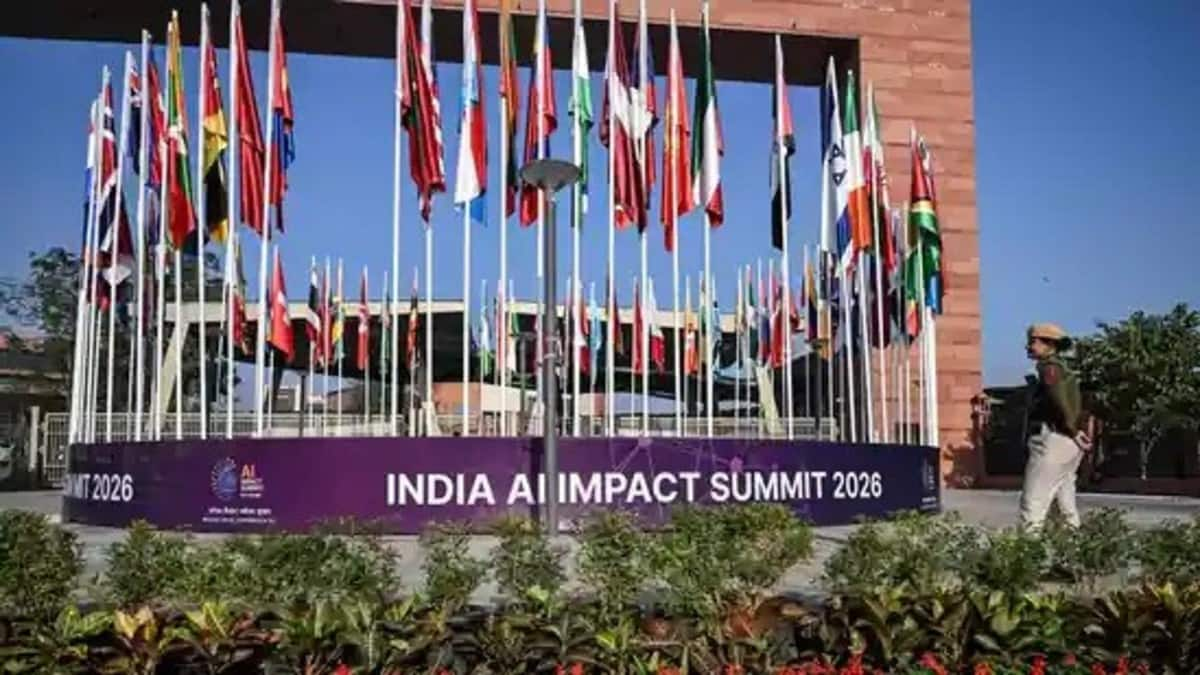
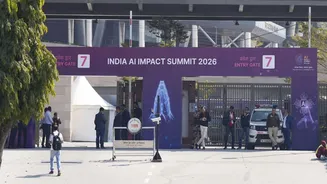
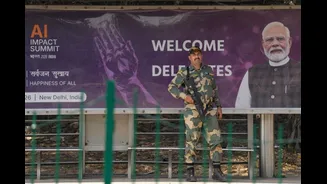
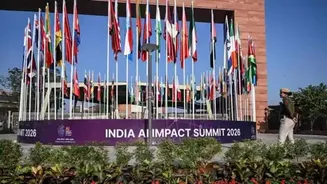
The AI Impact Summit 2026 transcended national boundaries, attracting significant international participation and underscoring India's ambition to be a global AI service provider. The event saw the arrival of prominent figures like Microsoft co-founder Bill Gates in Amravati, anticipating his presence at the summit in New Delhi. With over 100 countries represented, including heads of government and ministers, the summit facilitated robust global discourse on AI's diverse facets. Key industry leaders from global giants like Google, OpenAI, and Anthropic, alongside Indian conglomerates, were in attendance, signaling a collaborative spirit. Prime Minister Narendra Modi's inauguration of the AI Impact Expo highlighted India's resolve to shape a progressive, innovative, and opportunity-driven future through AI. The summit's theme, 'Sarvajana Hitaya, Sarvajana Sukhaya' (welfare for all, happiness for all), encapsulates the nation's commitment to human-centric AI progress. The event aimed to establish India as a key player in the global AI ecosystem, fostering innovation, collaboration, and responsible AI deployment while democratizing access to essential AI resources like compute, datasets, and algorithms. The summit's multifaceted agenda, including dedicated working groups ('chakras') addressing resilience, human capital, safety, and inclusion, paved the way for future international declarations and the potential formation of a trusted global AI governance framework.