






Understanding Sun Protection
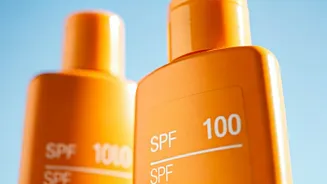
Sun Protection Factor (SPF) is a measure of how well a sunscreen protects the skin from UVB rays, the primary cause of sunburn. While SPF is important,
the number itself doesn't tell the whole story. SPF 15 blocks about 93% of UVB rays, SPF 30 blocks around 97%, and SPF 50 blocks approximately 98%. SPF 100, on the other hand, claims to block around 99% of UVB rays. This shows that the incremental benefit of moving from SPF 50 to SPF 100 is not as significant as the jump from SPF 15 to SPF 30. The slight increase in protection provided by SPF 100 doesn't necessarily warrant the higher cost or potential for a false sense of security.
The Real Deal: UV Rays
Sunscreen primarily combats UVB rays, which are the main culprits behind sunburns. SPF ratings focus mainly on this type of radiation. However, UVA rays also pose a risk, contributing to premature aging and potentially increasing the risk of skin cancer. Good sunscreens offer broad-spectrum protection, shielding against both UVB and UVA rays. It's crucial to understand that even the highest SPF products can't block all UV rays. It's more important to consider proper application and reapplication, which make a much bigger difference than just the SPF number. Furthermore, applying the correct amount of sunscreen is vital for its effectiveness.
Application and Reapplication
No matter the SPF, applying sunscreen correctly and regularly is crucial for optimal sun protection. Most people don't apply enough sunscreen. A generous amount of sunscreen should be applied at least 15 to 30 minutes before sun exposure, allowing the product to fully absorb. The recommended amount is about one ounce (roughly a shot glass full) for the entire body. Reapplication is just as important, especially after swimming or sweating. Sunscreen should be reapplied every two hours, or more frequently if it is wiped away. Focusing on consistent, proper application is more beneficial than relying solely on a high SPF number.
Beyond SPF Numbers
Several factors besides SPF influence how well sunscreen works. The type of sunscreen, whether it's a lotion, spray, or stick, can affect its coverage. Choosing a broad-spectrum sunscreen that protects against both UVA and UVB rays is crucial. The skin type of the person also plays a part, as some people are more sensitive to the sun than others. Other sun protection methods, such as wearing protective clothing, hats, and sunglasses, can significantly reduce sun exposure. These measures, combined with proper sunscreen use, offer more comprehensive protection than solely relying on a high SPF product.
Making Informed Choices
When choosing a sunscreen, consider several factors beyond just the SPF number. Opt for a broad-spectrum sunscreen to protect against both UVA and UVB rays. Consider your activities, as this will influence how often you need to reapply the sunscreen. SPF 30 is generally considered adequate for everyday protection. SPF 50 is suitable for more extended outdoor activities. SPF 100 might offer a slight increase in protection, but the additional benefit is minimal compared to the importance of correct application and regular reapplication. Reading the label and understanding the ingredients can also help you choose a product that suits your needs. The key is to select a sunscreen that is comfortable, effective, and encourages consistent use.