



Counting the Weeks
Many expecting parents experience a moment of surprise when their initial pregnancy report indicates a gestation period that seems longer than anticipated,
often leading to questions about conception timelines. This discrepancy isn't indicative of an issue but rather stems from a globally accepted medical convention. Healthcare providers initiate pregnancy dating from the first day of the last menstrual period (LMP), a point that predates actual conception by approximately two weeks. This standardized approach, while seemingly counterintuitive, provides a consistent and reliable benchmark for tracking fetal development and planning essential prenatal care. The medical framework is designed to simplify and standardize the complex biological process of conception, which can be difficult to pinpoint with exact certainty for many individuals. By utilizing the LMP as the starting point, doctors can establish a predictable timeline for monitoring the pregnancy's progress, ensuring that all necessary medical interventions and assessments are conducted at the optimal times.
The Conception Conundrum
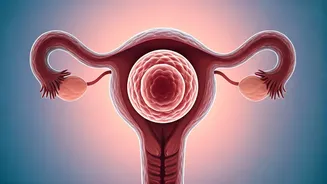
The human reproductive process involves several distinct stages, including ovulation, fertilization, and implantation, each occurring sequentially and sometimes unpredictably. Ovulation typically happens around 14 to 15 days after the commencement of the last menstrual period, and fertilization generally follows shortly thereafter. Biologically, then, pregnancy truly begins approximately two weeks post-LMP. This biological reality is precisely why a pregnancy dated from the first day of the last period might appear to be a month or more advanced than the couple's personal experience of conception. For instance, a scenario where a couple has been married for only one month but receives a pregnancy report indicating 1.5 months of gestation is medically sound. This 'extra' half-month in the report is accounted for by those initial two weeks before conception occurred, as per the standard medical dating method used worldwide.
Why This Method Works
The adoption of the last menstrual period as the starting point for pregnancy calculation is rooted in practicality and accuracy. Pinpointing the exact moment of conception is often challenging, if not impossible, for most individuals. Ovulation cycles can fluctuate, and the precise day of fertilization is rarely known. In contrast, the date of the last menstrual period is generally easier to recall and verify. This established reference point allows medical professionals to consistently track fetal growth, estimate due dates with greater precision, and schedule vital prenatal screenings and appointments at appropriate developmental stages. This systematic approach ensures structured, predictable, and reliable care throughout the pregnancy journey, offering peace of mind to expectant parents.