





The Blood Sugar Battle
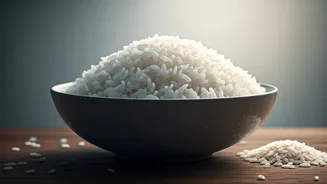
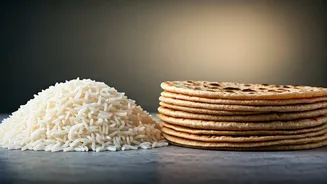
When it comes to managing acne, understanding the Glycemic Index (GI) of your food is paramount. White rice, with its high GI of around 73, causes rapid
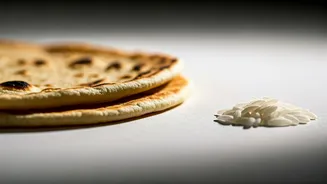
spikes in blood sugar upon consumption. This rapid rise triggers a significant release of insulin and Insulin-like Growth Factor 1 (IGF-1). Elevated IGF-1 is detrimental to skin health as it can overstimulate androgen hormones, leading to increased oil production by the sebaceous glands. This excess oil can clog pores, resulting in breakouts. In contrast, whole wheat roti has a considerably lower GI, approximately 62. Its slower digestion rate ensures a gradual release of glucose into the bloodstream, preventing drastic hormonal fluctuations and mitigating excessive oil production, thus promoting calmer, healthier skin.
Micronutrients for Repair
A healthy skin barrier relies on a steady supply of essential vitamins and minerals for self-repair. Whole wheat flour, being less processed than refined grains, retains a rich array of crucial micronutrients. These include vital B vitamins, zinc, magnesium, and iron. These elements play an active role in accelerating cellular turnover and supporting the skin's natural repair mechanisms. Conversely, the intensive milling process applied to white rice strips away these beneficial components, leaving it largely devoid of the micronutrients necessary for robust skin health and regeneration.
The Gut-Skin Connection
Your digestive system's well-being is intrinsically linked to the appearance of your skin. When digestion is compromised, leading to sluggishness or constipation, toxins can accumulate within the body. These trapped toxins frequently manifest on the face as dullness or unexpected pimples. Whole wheat roti shines in this regard due to its abundant dietary fiber content. This fiber promotes smooth digestion, encourages regular bowel movements, and nurtures a healthy gut microbiome. White rice, however, undergoes a milling process that removes the fiber-rich bran and germ, making it a highly processed grain that offers minimal digestive advantages.
Making the Right Choice
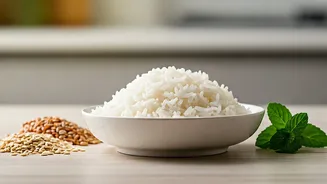
For individuals striving for clearer, less oily skin, embracing whole wheat or multigrain roti as a daily staple is a highly recommended strategy. This choice helps maintain hormonal equilibrium and keeps blood sugar levels under control, which are key factors in preventing acne. For those who are passionate about rice, switching to brown rice presents a comparable solution. Brown rice retains its bran and germ, resulting in a lower glycemic index and a fiber content that rivals that of roti, offering similar anti-inflammatory benefits for the skin. Complementing either option with a generous serving of fiber-rich vegetables can significantly contribute to improved skin health.
Understanding Nuances and Exceptions
While whole wheat roti generally emerges as the superior choice for acne management, it's important to acknowledge certain exceptions. Brown rice offers a compelling alternative, significantly improving upon the benefits of white rice by retaining its bran and germ. This preserves its lower glycemic index and fiber content, providing similar skin-friendly, anti-inflammatory effects. However, a critical consideration for some is gluten. Roti contains gluten, which can trigger systemic inflammation in individuals with celiac disease, wheat allergies, or non-celiac gluten sensitivity. This inflammation may manifest as severe acne, eczema, or other skin conditions. In such specific cases, naturally gluten-free rice becomes the distinctly better and safer dietary option.