



Zardozi: Opulent Gold
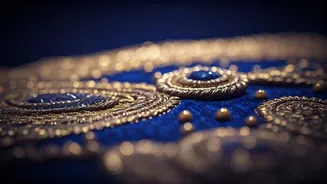
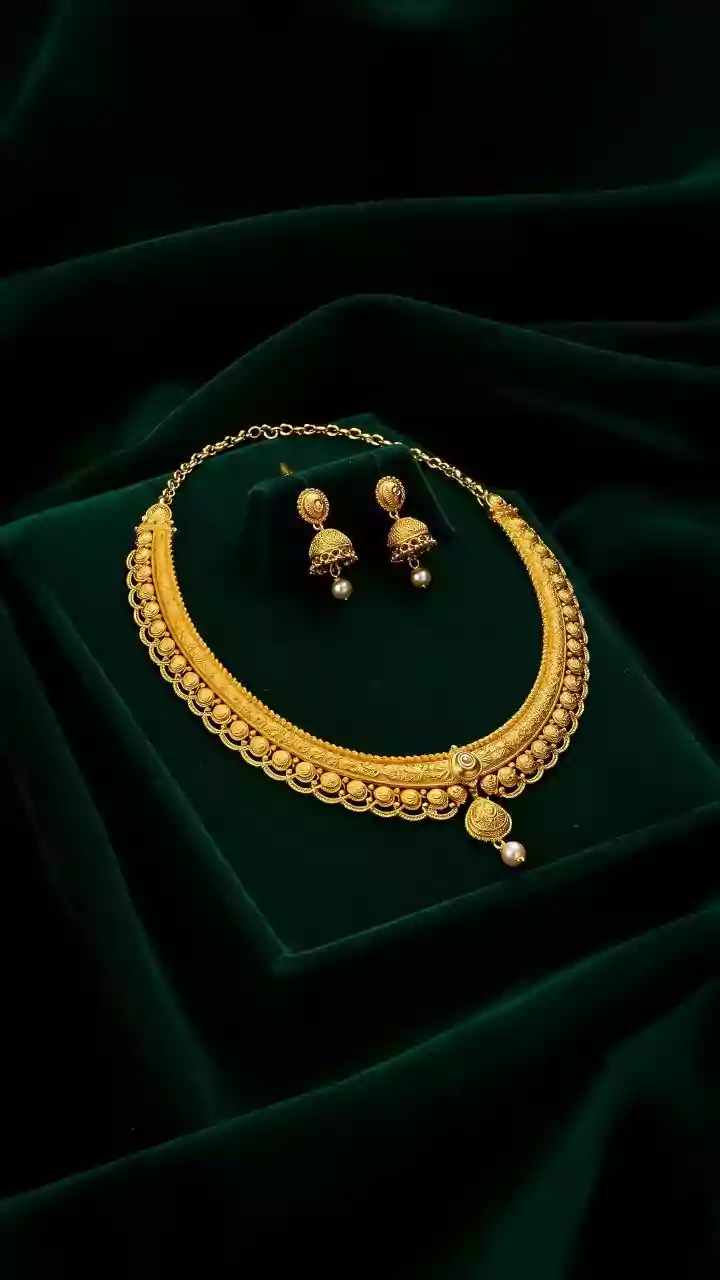
Long before the term 'bling' entered popular culture, India was pioneering opulent embellishments with Zardozi. This ancient art, which involves sewing
with gold and silver threads, found its peak in the royal courts of Lucknow and Delhi, defining regal attire. Today, Zardozi's intricate metallic bullion work is a globally recognized symbol of luxury, evident in the designs of international fashion houses. It continues to be the preferred choice for those seeking to make a statement of wealth and grandeur through their clothing, showcasing Indian craftsmanship on international runways.
Chikankari: Summer's Poetry
In contrast to the heavy drama of Zardozi, Chikankari embodies the delicate charm of summer. Originating from Lucknow and once a favorite of Empress Nur Jahan, this delicate white-on-white shadow embroidery is considered exquisite resort wear. Its understated elegance has been widely adopted globally, from Western high-street interpretations of the 'peasant top' to international celebrities adorned in its timeless grace by renowned designers. Chikankari represents a sophisticated form of luxury that has captivated the world's fashion consciousness.
Kashmiri Kashida: Luxury Threads
While the world covets cashmere, true connoisseurs recognize the exquisite artistry of Kashmiri Kashida. This intricate single-stitch embroidery, transforming fabric into a tapestry of motifs like chinar leaves and lotuses, was an early luxury export from India to Europe. It achieved significant status in 18th-century France, with Empress Josephine having a notable affinity for it. The 'Cashmere Shawl,' a testament to this craftsmanship, remains a cherished item among the global elite, symbolizing enduring style and refined taste.
Kantha: Sustainable Chic
The women of Bengal and Odisha pioneered upcycling and sustainable fashion centuries ago with Kantha embroidery. What began as a practical method of layering old saris and stitching them together using threads from their borders has evolved into a celebrated trend in high-end home decor. The textured, rippled effect of these vintage quilts, often seen in boutique stores worldwide, is a direct result of this traditional practice. Even major fashion brands have acknowledged this aesthetic, demonstrating how sustainable techniques can translate into high fashion.
Shisha & Phulkari: Joyful Colors
The vibrant 'Boho-Chic' movement owes a significant debt to Gujarat's Shisha (Mirror Work) and Punjab's lively Phulkari. Originally conceived to ward off the evil eye, mirror work became an iconic element of the hippie subculture in the 1960s and 70s. Today, its influence is seen everywhere, from denim jackets at festivals to geometric prints inspired by Phulkari on the fashion runways. These styles embody an infectious spirit of pure, unadulterated joy and vibrant self-expression.