

Best Seasons for Families
Choosing the right time to visit Iceland with your children hinges on balancing daylight, crowds, and activities. Summer, from June to August, boasts the midnight
sun, longer days perfect for exploration, and all attractions typically open, though it's also the peak tourist season and pricier. Autumn (September to October) offers a quieter experience with beautiful fall foliage and a chance to witness the Northern Lights, making it a good compromise. Winter (November to March) is prime time for aurora viewing and unique activities like ice caving and glacier hiking, but be prepared for short daylight hours and potentially challenging weather. Spring (April to May) sees nature reawaken with blooming landscapes and migratory birds, ideal for whale watching before the summer influx, with cooler temperatures and gradually lengthening days.
Geothermal Wonders & Waterfalls
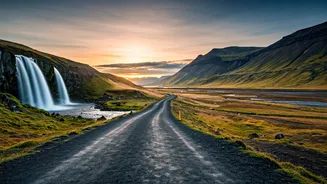
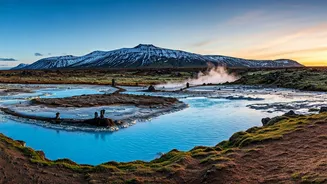
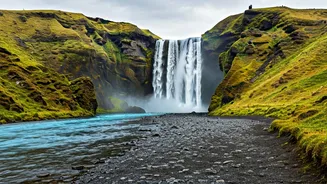
Iceland's geothermal activity offers captivating experiences for families. Witness the Strokkur geyser erupting dramatically in the Geysir geothermal area. While the Blue Lagoon is famous, more family-focused options like the Secret Lagoon or Fontana Geothermal Baths provide relaxing thermal soaks suitable for all ages. Complementing these warm waters are Iceland's majestic waterfalls; Skógafoss and Seljalandsfoss are easily accessible and awe-inspiring, while Gullfoss, a highlight of the Golden Circle, showcases immense power. For a truly spectacular sight, Dettifoss in the north, Europe's most powerful waterfall, is an unmissable natural marvel that will leave everyone breathless.
Glacier Adventures & Wildlife
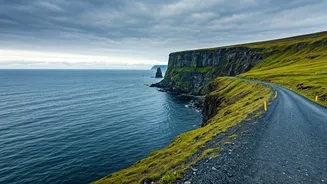
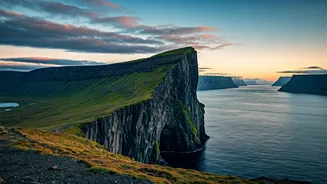
Iceland's icy landscapes provide thrilling adventures. Guided glacier hikes on Sólheimajökull or Vatnajökull offer an up-close encounter with ancient ice, suitable for older children and adults seeking excitement. During winter, exploring the ethereal blue ice caves is a magical experience, though safety necessitates going with certified guides. For wildlife enthusiasts, whale watching tours from Reykjavík, Húsavík, or Akureyri are a must, with Húsavík being particularly renowned for puffin sightings in summer. The Látrabjarg cliffs in the Westfjords also offer incredible opportunities to observe puffins and diverse seabirds in their natural habitat, creating unforgettable wildlife encounters for the whole family.
Volcanic Landscapes & Farm Fun
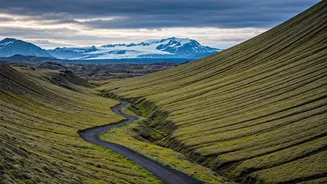
Explore Iceland's dramatic volcanic origins and charming rural life. Þingvellir National Park, a UNESCO site, allows families to walk between the North American and Eurasian tectonic plates, a truly unique geological experience, with opportunities for snorkeling or diving in the Silfra fissure for older, adventurous children. The moss-covered Eldhraun lava field offers a surreal, otherworldly landscape to explore. For a more hands-on experience with Icelandic fauna, visit local farms to meet the distinctive Icelandic horses, known for their unique gait, and enjoy family-friendly riding tours. The Vatnsnes Peninsula and Jökulsárlón glacier lagoon are also great spots to see seals basking in their natural environment.
Museums, Pools & Playgrounds
Beyond its natural wonders, Iceland offers engaging cultural and recreational activities for families. Reykjavík boasts several kid-friendly museums, including Perlan, which features an indoor ice cave and a Northern Lights planetarium, and the National Museum of Iceland for insights into Viking history. Almost every town and village across the country has a geothermal swimming pool, a beloved pastime for Icelanders and children alike, often featuring thrilling waterslides and warm waters regardless of the weather. Many pools, like Laugardalslaug in Reykjavík, are large and well-equipped for diverse swimming needs, offering a fun and relaxing way to spend time, and many also have playgrounds and obstacle courses nearby.
Cozy Stays & Travel Essentials
Finding the right accommodation and packing smart are key to a smooth family trip in Iceland. Options range from hotels offering family rooms and amenities to charming guesthouses and farm stays for a more local immersion. Renting apartments or holiday homes provides extra space and kitchen facilities, ideal for families. For a budget-friendly and flexible experience, camping is popular during summer, with numerous well-equipped sites. Essential packing includes layers of waterproof and windproof clothing, warm accessories, and sturdy footwear due to unpredictable weather. Booking accommodation and popular tours in advance, especially during peak season, is highly recommended. Renting a car, possibly a 4WD for F-roads, offers the most freedom to explore at your own pace.