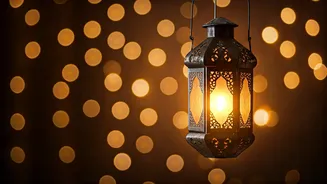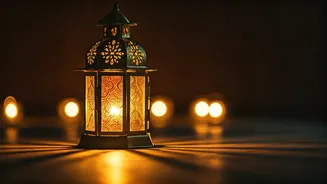





The Essence of Eid
Eid-ul-Fitr, aptly named the "Festival of Breaking the Fast," marks a joyous conclusion to Ramadan's period of fasting, introspection, and spiritual growth.
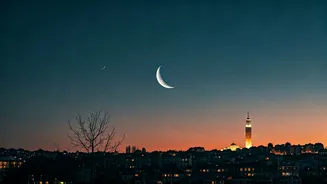
In 2026, this cherished festival is anticipated to fall on either March 20th or 21st, contingent upon the sighting of the new moon. Far more than just a time for sweets and new attire, Eid represents a celebration of victory and achievement after a month of dedication. Its origins trace back to 7th-century Arabia, where Prophet Muhammad established communal prayers and acts of charity following Islam's inaugural Ramadan. Historical accounts, such as those found in Sahih Bukhari, depict early Eid celebrations characterized by simple yet hearty meals, the distribution of Zakat al-Fitr (a mandatory charitable donation to ensure even the less fortunate can partake in the festivities), and jubilant gatherings, setting a timeless precedent for this significant occasion.
Spiritual Significance and Pillars
Eid-ul-Fitr ushers in Shawwal, the Islamic month that follows Ramadan, symbolizing a spiritual purification and renewal. It is a time to express profound gratitude for the patience ('sabr') exercised throughout Ramadan, for the divine revelations of the Quran, and for the blessings of Laylatul Qadr, the Night of Power. Spiritually, Eid embodies the essence of the Five Pillars of Islam: it signifies the end of the fasting period (sawm), encourages increased charity (zakat), strengthens community bonds through congregational prayers (salah), fosters a deep sense of gratitude (shukr), and reaffirms the importance of family connections (silaturrahim). On a psychological level, the post-fast endorphins blend with the joy of feasting, creating a sense of exhilaration often described as "collective effervescence," that undeniable radiance associated with the transition from Ramadan to Eid.
Vibrant Celebrations and Traditions
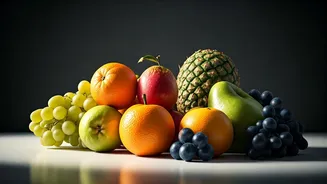
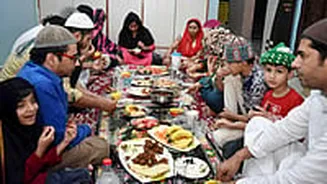
The eve of Eid, known as Chand Raat, buzzes with lively activity as markets come alive with vibrant preparations. From Delhi's bustling Chandni Chowk to the stalls near Mumbai's Minara Masjid, these gatherings overflow with ingredients for delicious sheer khurma, an array of colorful bangles, intricate henna cones, and festive sherwanis. Dawn breaks with communal Eidgah prayers, where thousands unite in open fields, their voices rising in the Takbir, an echo of unity and devotion. Upon returning home, families gather around tables laden with traditional Eid feasts. Cherished dishes include sweet vermicelli (seviyan), the rich dates-and-nut dessert sheer khurma, flavorful biryani, succulent kebabs, and creamy sheer malai. Plates are passed around with warm "Eid Mubarak!" greetings, while children excitedly anticipate receiving Eidi, the customary cash gifts. These celebrations are not just about food and festivities but also about fostering a spirit of forgiveness and reinforcing communal harmony.
Wishes for a Joyous Eid
To help you share your festive spirit, here is a curated selection of Eid-ul-Fitr messages, greetings, and wishes for a joyous Eid in 2026. These sentiments are designed to convey love, happiness, and togetherness to family and friends. For family, express warmth with wishes like, "Eid Mubarak, fam! May Allah fill our home with sweetness and sukoon." or acknowledge parental support with, "Ammi-Abba, your duas are my strength. Eid's joy doubles with you!" For friends, convey camaraderie with messages such as, "Yaar, Eid without you is incomplete! Mubarak ho." or "Distance is zero in duaas—happy Eid!" Extend heartfelt wishes to partners with, "Jaan, your smile is my Eid moon. Eid Mubarak ho!" or "Every bite is sweeter beside you. Eid Mubarak!" This collection aims to capture the diverse emotions and relationships celebrated during this special time.
Inspirational Eid Quotes
Reflect on the deeper meanings of Eid-ul-Fitr with these inspiring quotes. These short, impactful phrases capture the essence of gratitude, renewal, and community that define the festival. Consider messages like, "Eid: Gratitude turns fast to feast," which succinctly links the preceding month of fasting with the celebratory conclusion. Another thought-provoking quote is, "Shawwal smiles after sabr nights," highlighting the joy that follows patience. The concept of charity is emphasized with, "Zakat frees hearts, Eid fills them." Further messages include, "Moon sighted, mercy descends," connecting the astronomical event with divine blessings, and "Ramadan refined us, Eid defines us," underscoring the transformative journey of the preceding month. These quotes offer profound reflections on faith, family, and the spirit of giving that permeates Eid-ul-Fitr.
Wisdom from the Quran
The Holy Quran offers profound guidance and wisdom that resonates deeply during Eid-ul-Fitr. Verses like "And do good; indeed, Allah loves the doers of good" (Surah Al-Baqarah 2:195) remind us of the importance of benevolence. The recurring theme of gratitude is echoed in, "So which of the favors of your Lord would you deny?" (Surah Ar-Rahman 55:13). The Quran also emphasizes the power of reconciliation with "Repel [evil] by that which is better; and thereupon the one whom between you and him is enmity will become as though he was a devoted friend" (Surah Fussilat 41:34). Furthermore, the verses highlight the divine love for justice, "Indeed, Allah loves those who act justly" (Surah Al-Ma'idah 5:42), and the value of kindness in all interactions, as stated in "And speak to people good [words]..." (Surah Al-Baqarah 2:83). These teachings provide a spiritual anchor for the celebrations, encouraging believers to embody compassion, justice, and goodwill throughout the festive period and beyond.