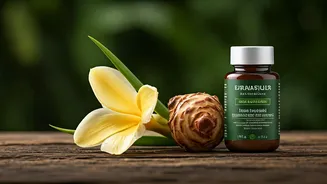







Nature's Ancient Elixir
Long before commercial shampoos graced our shelves, indigenous Hawaiian communities recognized the potent hair-cleansing properties of a specific tropical
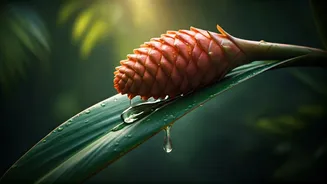
plant. Known scientifically as Zingiber zerumbet and colloquially as Shampoo Ginger or Awapuhi, this remarkable flora has been a staple in traditional haircare. Its unique pinecone-like flower head conceals a clear, fragrant sap that acts as an incredible natural cleanser. This ancient practice is now resurfacing, celebrated for its effectiveness and eco-friendly approach to achieving beautiful, healthy hair through a time-honored botanical marvel that revitalizes your locks.
Harvesting The Goodness
The true magic of Shampoo Ginger resides within its mature, vibrant red flower heads, although younger green ones also yield the desired extract. Harvesting this natural wonder is a simple, sustainable process. Gently squeezing the mature cone releases a clear, gel-like sap that possesses a sweet aroma. Impressively, this extraction doesn't harm the plant; the cone regenerates its sap supply within a couple of days, allowing for continuous, renewable harvesting. After collection, straining the sap through fine-mesh cloth or cheesecloth is recommended to remove any natural impurities like debris or tiny insects. To preserve its freshness for longer periods, the strained sap can be conveniently frozen in ice cube trays, providing easy access to this natural hair treatment whenever needed.
Versatile Hair Applications
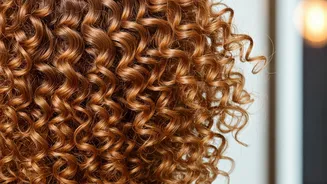
Awapuhi's natural sap offers a surprisingly diverse range of applications for hair care, catering to various needs. As a direct shampoo substitute, it gently cleanses the scalp and hair without the harsh lather of synthetic detergents, leaving a clean feel. For those seeking enhanced moisture, it doubles as a deeply nourishing conditioner; apply it from roots to tips after shampooing, let it sit for a few minutes to penetrate, then rinse thoroughly. It's also a stellar frizz-fighting leave-in treatment; apply a small amount to damp hair, comb through, and allow it to air dry. This leaves hair smooth, not stiff, with a delightful ginger-lily fragrance. For dry, irritated scalps, it serves as a potent pre-wash mask, massaged into the roots for 10-15 minutes before shampooing to soothe and revitalize.
The Science of Slippery Sap
The effectiveness of Awapuhi for hair isn't merely anecdotal; it's rooted in solid botanical science. The sap contains saponins, which are naturally occurring plant-based compounds that create a mild, gentle foam. These saponins effectively bind to dirt and excess oils, cleansing the scalp without stripping away the hair's essential protective lipids. Furthermore, the extract is rich in zerumbone, a powerful compound renowned for its anti-inflammatory and antimicrobial qualities, making it exceptionally beneficial for combating itchy scalps and dandruff-causing microbes. The sap's signature slippery texture is due to natural mucilage, which coats each hair strand. This coating helps to seal in moisture, smooth the hair cuticle, and ultimately contribute to incredibly soft, shiny, and frizz-free hair, showcasing the plant's intrinsic capabilities.