




Idli, Dosa and Diabetes
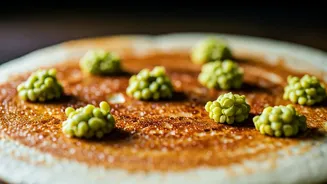
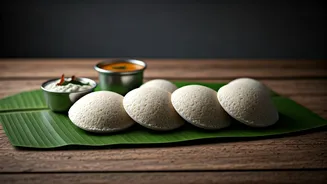
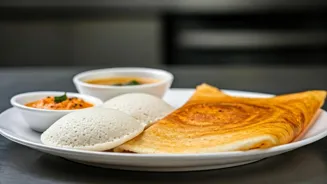
Idli and dosa, staples in South Indian cuisine, are often questioned regarding their suitability for people with diabetes. These foods are primarily made
from rice and lentils, both of which contain carbohydrates. Carbohydrates are the primary factor influencing blood sugar levels. However, the impact on blood sugar depends on several elements, including portion size, preparation methods, and other ingredients. Understanding the carbohydrate content and how they affect the body is crucial for diabetic patients. Managing diabetes requires careful planning and awareness of the foods consumed and their effect on blood glucose.
Carb Counts Explained
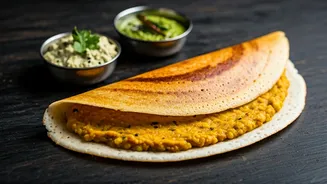
The carbohydrate content of idli and dosa can vary. A single idli, typically made from fermented rice and lentil batter, has around 15-20 grams of carbohydrates. Dosa, which is a thin crepe also made from fermented batter, may contain 20-30 grams of carbohydrates per serving, depending on the size and fillings. Diabetics must monitor their carbohydrate intake carefully. Portion control becomes vital. It is essential to be mindful of how many idlis or dosas they consume in one sitting. It's recommended to use a food scale or measure the portions to ensure accurate carbohydrate tracking, which is crucial for blood sugar management.
Portion Control Strategies
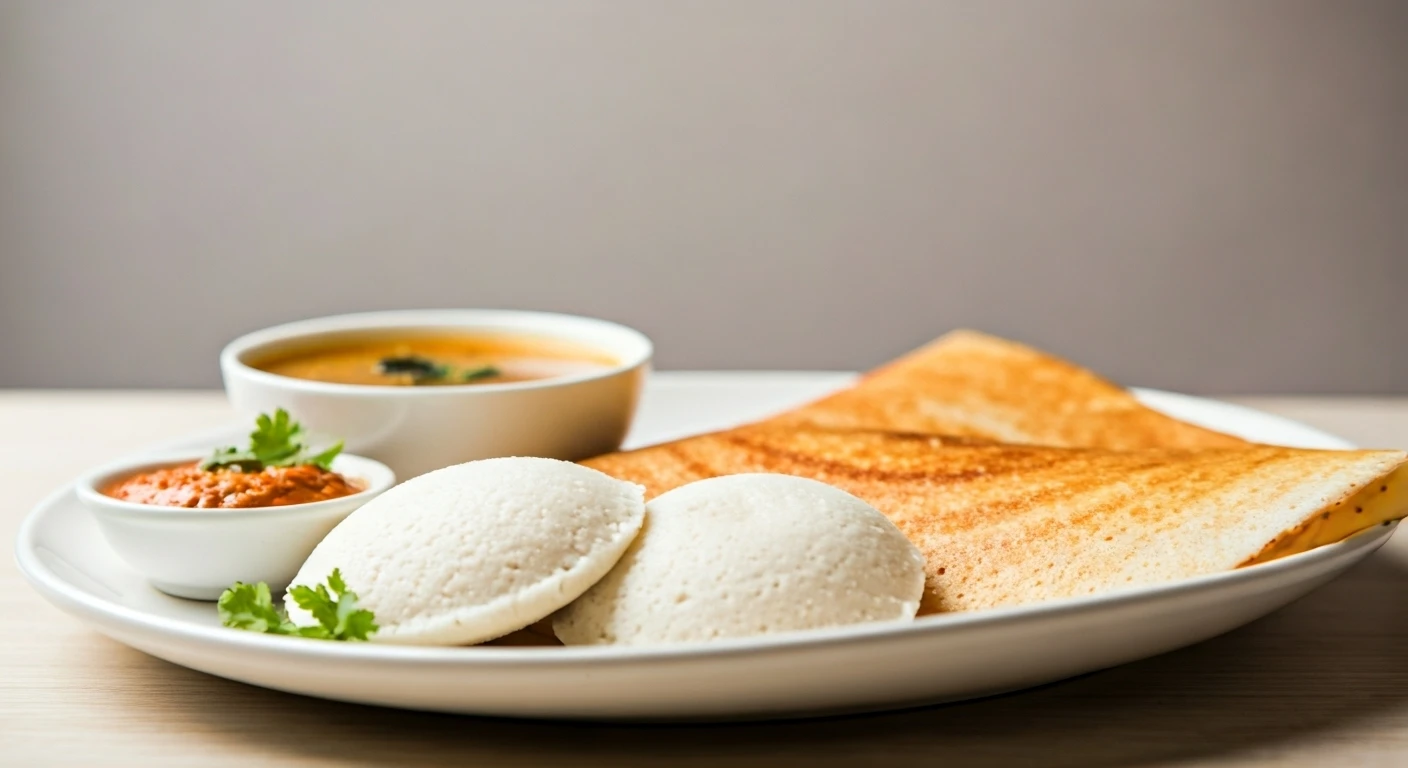
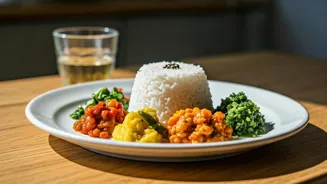
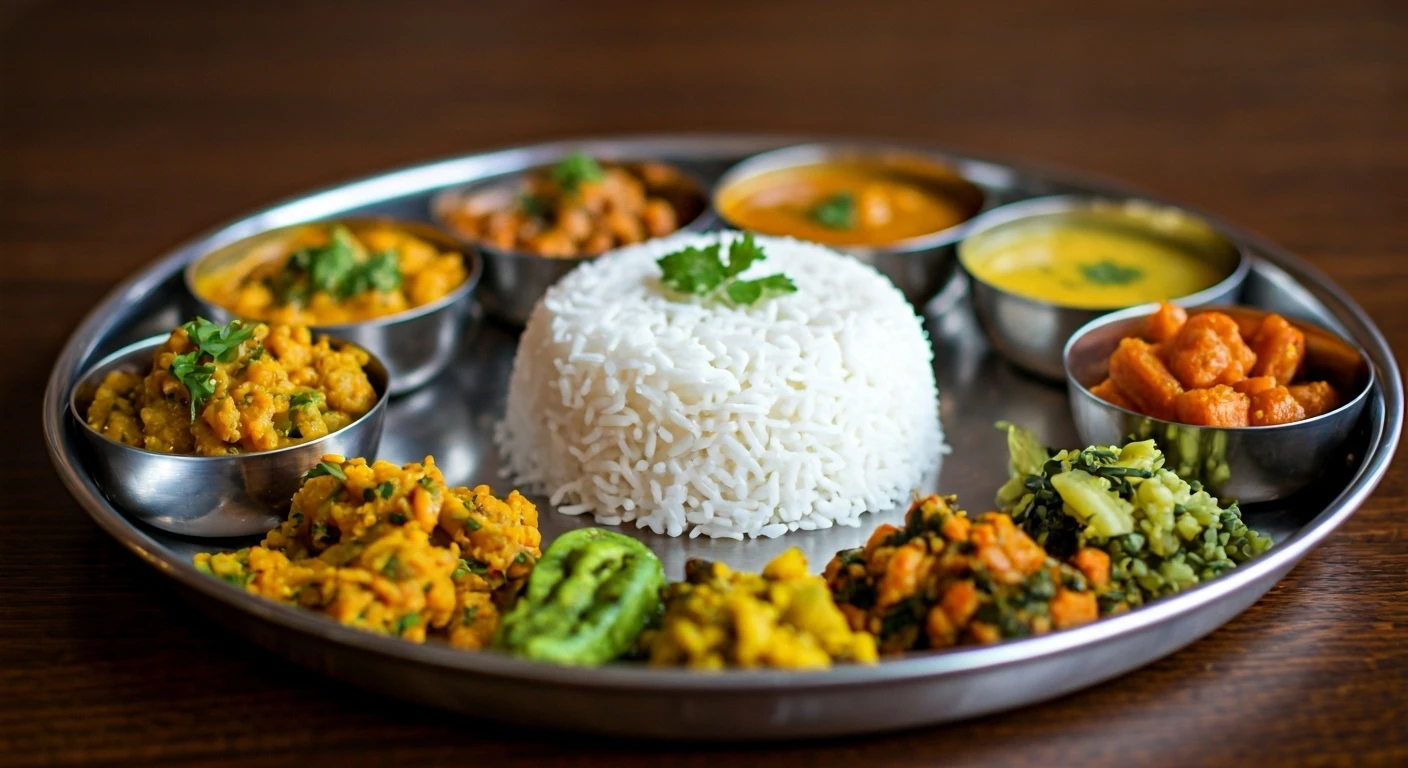
Portion control is a cornerstone of managing blood sugar levels for diabetics. When eating idli and dosa, starting with smaller servings is advisable. Instead of having multiple idlis, individuals can start with one or two and then assess how they feel. With dosas, choosing a smaller size or splitting a larger dosa with someone else can help manage portion sizes. Pairing these foods with other diabetes-friendly items is beneficial. Having a dosa with a large serving of sambar (a lentil-based vegetable stew) or a side of vegetables and a small portion of chutney is a well-rounded approach. This strategy reduces the overall carbohydrate load in a meal while providing vital nutrients.
Protein's Role Explained
Adding protein to a meal containing idli and dosa is a smart move. Protein slows down the absorption of carbohydrates, preventing blood sugar spikes. Including foods like sambar, which contains lentils, or a side of a protein-rich chutney such as peanut or coconut chutney is beneficial. If possible, add a serving of lean protein, like a small portion of egg or a side of cooked vegetables. It contributes to a well-balanced meal. Protein-rich foods, such as the lentils used to make idli and dosa batter, can also help provide a feeling of fullness, potentially reducing overeating and promoting better blood sugar management.
Preparation Method Impacts
The way idli and dosa are prepared can also impact how they affect blood sugar. For idlis, the fermentation process helps to reduce the glycemic load. However, the addition of ingredients such as refined rice or excess oil can increase their impact. When preparing dosas, using less oil can make it a healthier choice. Choosing whole-grain or alternative flours, such as ragi or oats, to replace or combine with rice flour, can lower the glycemic index of the dish. Homemade idlis and dosas allow for more control over the ingredients, enabling the use of healthier options. It's also possible to avoid unhealthy additives.
Expert Dietary Advice
Experts recommend that diabetics include idli and dosa in their diet, but with some precautions. It's important to eat these foods with a plan, considering the portions and combining them with protein and fiber-rich sides. Diabetic patients are advised to work closely with a dietitian or healthcare provider to develop an individualized meal plan. The plan should incorporate the amount of carbs they can safely consume at each meal. Regular monitoring of blood sugar levels before and after meals helps evaluate how these foods affect blood glucose. Any adjustments to the diet can be made based on the results.
Enjoying it Safely
Diabetics can enjoy idli and dosa without significant health risks. By being mindful of portions, balancing the meal with protein and fiber, and making smart choices in preparation, individuals can include these South Indian favorites as part of a healthy diet. Consulting with a healthcare professional ensures that these foods fit the overall diabetes management plan. Proper planning, preparation, and informed decision-making are the key elements. It helps in enjoying traditional foods safely and effectively. This also allows them to remain consistent with their health goals.