





Budget Allocation Overview
The Education Budget 2026 saw a significant financial injection, with a total allocation of Rs 1,39,285.95 crore. This sum reflects an increased investment
compared to the previous year, demonstrating the government's dedication to boosting the education sector. This financial commitment is designed to support the development of educational infrastructure, improve the quality of learning, and widen access to education across India. The budget includes provisions for various initiatives, ranging from establishing new institutions to implementing technological advancements in teaching and learning. The substantial financial backing aims to address pressing needs and facilitate long-term growth and improvements in the Indian education system, ensuring that it remains relevant and responsive to the evolving requirements of the nation.
Medical Education Expansion
A core focus of the Education Budget 2026 includes significant investments in medical education. The budget plans for the establishment of three new AIIMS (All India Institutes of Medical Sciences). This expansion aims to enhance the availability of quality medical education and healthcare services across the country. Additionally, three new Ayurveda institutes will be established, supporting the growth of traditional medicine and research. These moves aim to not only improve healthcare infrastructure but also promote the integration of diverse medical practices. This strategic investment in medical education and healthcare aligns with the goal of improving public health and wellness, offering better opportunities for medical professionals and patients nationwide. The strategic expansion aims to meet the growing need for healthcare professionals and to improve the overall healthcare infrastructure in the country.
Infrastructure and Institutions
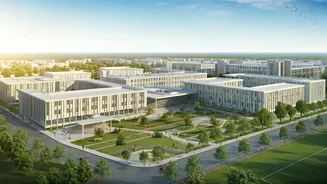
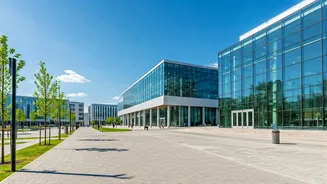
The budget emphasizes the development of new educational infrastructure. Key announcements include the construction of girls’ hostels in every district, designed to enhance access to education for girls by providing safe and supportive living environments. Furthermore, a new hospitality institute is planned to boost the skills of those looking for opportunities in the hospitality sector. The budget also introduces a design school, aimed at promoting creativity and innovation across various fields. A significant component of the budget is the establishment of university townships, which integrate educational institutions with residential and recreational facilities. This comprehensive approach strives to provide an all-encompassing learning environment, supporting students in both their academic and personal development while also increasing the employability opportunities for students.
Technology and Innovation
The Education Budget 2026 places a strong emphasis on integrating technology and fostering innovation. The budget highlights the establishment of AVGC (Animation, Visual Effects, Gaming, and Comics) and content labs, reflecting a focus on digital literacy and skill development. These labs aim to provide students with hands-on experience in emerging technologies, preparing them for careers in digital media and related fields. In addition, there is a focus on integrating AI in education to boost learning outcomes and enhance educational experiences. By incorporating these technological elements, the budget strives to make education more engaging and responsive to the evolving needs of the digital age. This emphasis on technology ensures that students acquire skills essential for the future, fostering innovation and enhancing the competitiveness of India's educational landscape on a global scale.
Bridging the Employability Gap
To address the gap between education and employment, the Education Budget 2026 includes various initiatives. The introduction of skill-based courses is a key strategy to prepare students with relevant skills that are directly applicable in the workforce. Efforts are also being made to encourage internships and industry collaborations to provide practical experience and improve job readiness. Furthermore, the budget supports initiatives to introduce disaster management skill courses in universities starting from 2026–27. These measures aim to make education more employment-oriented, thereby improving the chances for graduates to secure jobs and contribute to economic growth. By focusing on practical skills and industry-relevant training, the budget seeks to better prepare students for the challenges and opportunities of the professional world.
Addressing Critical Issues
The Education Budget 2026 addresses several critical issues aimed at improving the overall learning environment and reducing stress on students. One of the measures includes reducing the Class 10 syllabus by 25% in Kerala to reduce academic workload. This is designed to reduce the academic burden and provide students more time to focus on in-depth learning and other aspects of their development. The budget also focuses on providing better infrastructure for girls' education, highlighting the importance of equitable access to education. These initiatives reflect a commitment to creating an inclusive and supportive educational environment, promoting both academic and personal well-being. By addressing these critical areas, the budget aims to create a more effective and equitable education system for all students.