




The Actor's Samosa Stand
Bollywood's action hero, Akshay Kumar, recently revealed a surprising personal commitment: he has completely refrained from consuming samosas for the past
fifteen years. This unusual dietary choice stems not from a desire to manage weight or adhere to a strict diet, but rather from a personal experience where the snack consistently caused him physical discomfort, specifically acidity and general unease. During an appearance on the game show 'Wheel of Fortune,' Kumar humorously questioned the notion that avoiding a particular food item would be detrimental, emphasizing that his decision was purely based on how his body reacted to it. He even pointed out the irony of filming the popular song 'Jab Tak Rahega Samose Mein Aaloo' without having touched a single samosa during that period, underscoring the longevity of his abstinence from this beloved street food.
Samosa's Health Snapshot
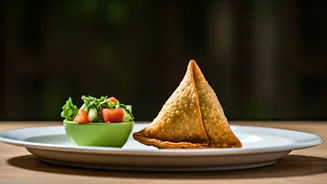
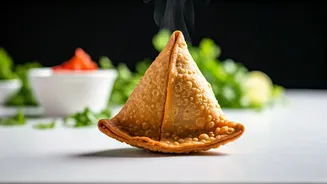
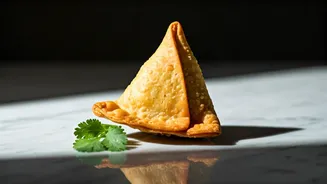
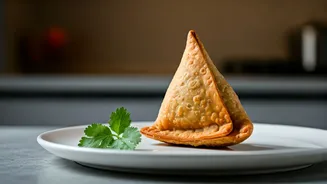
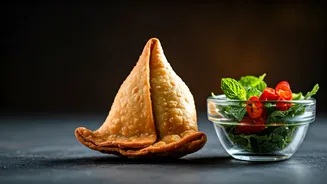
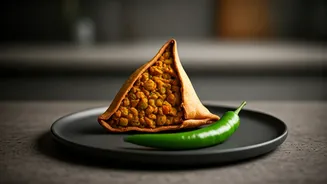
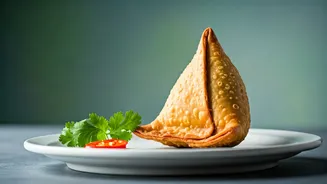
Traditionally, a samosa is crafted with a crisp, deep-fried casing made from refined flour, encasing a flavorful filling typically composed of boiled potatoes and a blend of aromatic Indian spices. This popular snack, often enjoyed hot and accompanied by chutneys or tomato ketchup, is a staple in many parts of northern and eastern India. Its appeal has spread nationwide, leading to various inventive fusion versions designed to appeal to a broader audience and adapt to global palates. However, the preparation method, which involves deep-frying, significantly contributes to its unhealthy profile. The combination of high carbohydrates from the pastry and fats from the frying process can be detrimental when consumed regularly, impacting overall well-being.
Cardiologist's Concern
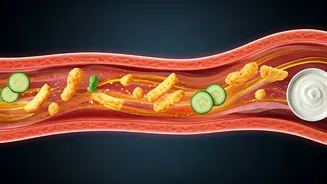
From a cardiovascular perspective, the regular consumption of fried and processed items like samosas can have serious long-term consequences. Dr. Parin Sangoi, a consultant interventional cardiologist, explains that each serving of such snacks contributes to the gradual accumulation of cholesterol within the arteries. This process can also trigger inflammation and oxidative stress throughout the vascular system. Over time, this can lead to the formation of arterial plaque, a condition that narrows the blood vessels and restricts blood flow to vital organs, including the heart. What might appear as an innocent indulgence today could potentially lay the groundwork for significant heart disease in the years to come, highlighting the cumulative impact of dietary choices.
The Science of Unhealthy Fats
Dr. Sangoi further elaborates on the specific physiological effects of foods high in trans fats, carbohydrates, and salt. These components can lead to a hardening of the arterial walls, contributing to elevated blood pressure. Furthermore, they can disrupt the delicate balance between 'bad' cholesterol (LDL) and 'good' cholesterol (HDL) in the body. This imbalance is a critical factor in the development of cardiovascular issues. The trans fats, in particular, are known to be highly detrimental, promoting inflammation and increasing the risk of heart disease. Consuming such foods regularly creates an environment within the body that is conducive to the progression of vascular ailments.
Healthier Samosa Alternatives
While samosas in their traditional fried form are undeniably unhealthy, there are promising avenues for enjoying similar flavors with a healthier approach. Vedika Premani, a clinical dietician, suggests incorporating functional ingredients like ginger, cinnamon, and cardamom into the samosa preparation. These additions not only enhance the taste profile but also bring beneficial health properties, such as immune system support and anti-inflammatory effects. Moreover, experimenting with different cooking methods can significantly reduce the fat content. Opting for baking or air frying instead of deep-frying, and using healthier cooking oils, can transform the samosa into a more health-conscious option, allowing for guilt-free enjoyment.
Wholesome Snack Swaps
For those who prefer to steer clear of samosas altogether, a variety of nutritious and satisfying snack alternatives are readily available. Premani recommends options such as baked ragi chips served with hummus, a healthy and flavorful dip. Other excellent choices include dhokla, a steamed savory cake; makhana (fox nuts), which are light and crunchy; and chana chaat, a savory chickpea salad. Khakara, a thin crispy flatbread, can be enjoyed with a hung curd dip for a protein boost. Additionally, air-fried vegetables offer a lighter alternative to traditional deep-fried pakoras, providing a similar crispiness without the excessive oil, making them a healthier way to satisfy cravings.