



1. Origin: Discover the History
The beginnings of the latte and cappuccino are rooted in Italian coffee culture, though they developed at slightly different points. Cappuccinos trace
back to Italy, where the traditional version was made with espresso, steamed milk, and a generous layer of foamed milk. This classic was a staple. Lattes, on the other hand, also emerged in Italy but gained further popularity elsewhere. The latte, characterized by espresso and steamed milk, is often topped with a thin layer of foam. The latte's adaptability has allowed for flavored syrups and other additions, making it a favorite worldwide. Therefore, it is important to understand their history to understand each drink's distinct character.
2. Taste: The Flavor Profile
Taste is where the two beverages diverge, mainly due to the milk-to-espresso ratio. Cappuccinos have a strong espresso flavor due to a higher ratio of espresso compared to milk. The foamed milk on top adds texture and slightly mutes the bitterness. Lattes, however, offer a smoother and less intense coffee taste. With a higher proportion of steamed milk, lattes create a milder flavor. The sweetness can be enhanced by adding flavored syrups or sugars. Consequently, whether one prefers a bold coffee experience or a gentler, milkier treat, the taste profile will influence the choice. The taste experience relies heavily on personal preference.
3. Texture: A Sensory Experience
The texture of a latte and a cappuccino provides a striking contrast. Cappuccinos are characterized by a velvety texture. The foamed milk provides a thick, airy layer atop the espresso and steamed milk. It creates a satisfying sensation that is a notable part of the cappuccino experience. Lattes, in contrast, have a smoother texture. Due to a smaller amount of foam, the drink feels more fluid. Therefore, the texture is an important consideration when picking between the two. The texture is influenced by the milk's preparation and the ratio of foam to liquid milk. It can greatly impact the overall enjoyment of the beverage.
4. Foam Level: The Visual Appeal
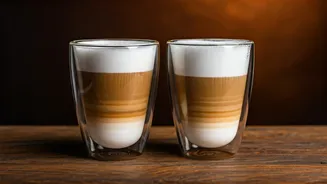
The foam is where lattes and cappuccinos differ the most visually. Cappuccinos are known for their thick, foamy layer, which constitutes a significant part of the drink. The foam is formed by aerating milk, creating a light, airy texture. This gives the drink its signature look, with the foam sometimes garnished with cocoa powder or other toppings. Lattes feature a thin layer of foam, often only a few millimeters thick. The focus in a latte is on the steamed milk, resulting in a less foamy appearance. The foam's presence affects both the taste and texture. For lovers of visually appealing coffees, understanding the foam level is essential for determining which drink to choose.
5. Coffee-to-Milk Ratio: Balancing Flavors
The relationship between coffee and milk is the secret of both beverages. Cappuccinos usually have an equal balance among espresso, steamed milk, and foamed milk. This produces a strong coffee flavor, with the foamed milk reducing some of the bitterness. Lattes use a higher ratio of milk to espresso. This blend results in a smoother, more milk-forward flavor. This aspect directly affects the intensity of the coffee taste and the overall flavor profile. Understanding the ratio is essential for anyone who wants to customize the experience. Ultimately, the coffee-to-milk ratio defines the character of the beverage.
6. How Filling It Feels: Satisfaction Factor
Lattes and cappuccinos differ in how filling they are. Cappuccinos, with their thick foam and balanced espresso-to-milk ratio, are generally lighter than lattes. They are a good choice for people who enjoy a lighter morning beverage. Lattes, because of the higher milk content, offer a more filling experience. They can be a satisfying choice for those seeking a more substantial drink. Therefore, the choice of drink also depends on the time of day and how hungry you are. The filling factor is influenced by milk content, foam, and individual metabolic rates. These factors shape the experience.