



Bedding and Placement
The most immediate area to address for a bedroom refresh is your bedding and the placement of your bed. Outdated or worn-out linens can significantly detract
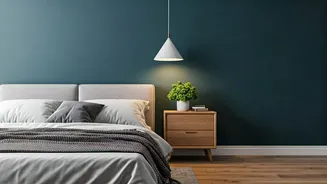
from the room's appeal. Opt for new sheets that introduce interesting textures and feature soft, natural materials to enhance comfort and visual interest. Following this, consider your bed's position. Interior designer Alina Mehrle emphasizes that a bed shouldn't be pushed against a wall or awkwardly situated. Instead, it should be the focal point, ideally centered on the most prominent wall, perhaps with symmetrical architectural features. Placing substantial nightstands on either side further anchors the bed and enhances the room's overall balance and flow, making it feel more intentional and inviting.
Elevate Your Lighting
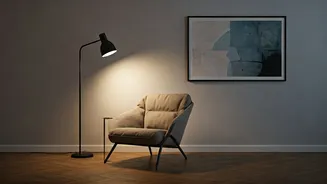
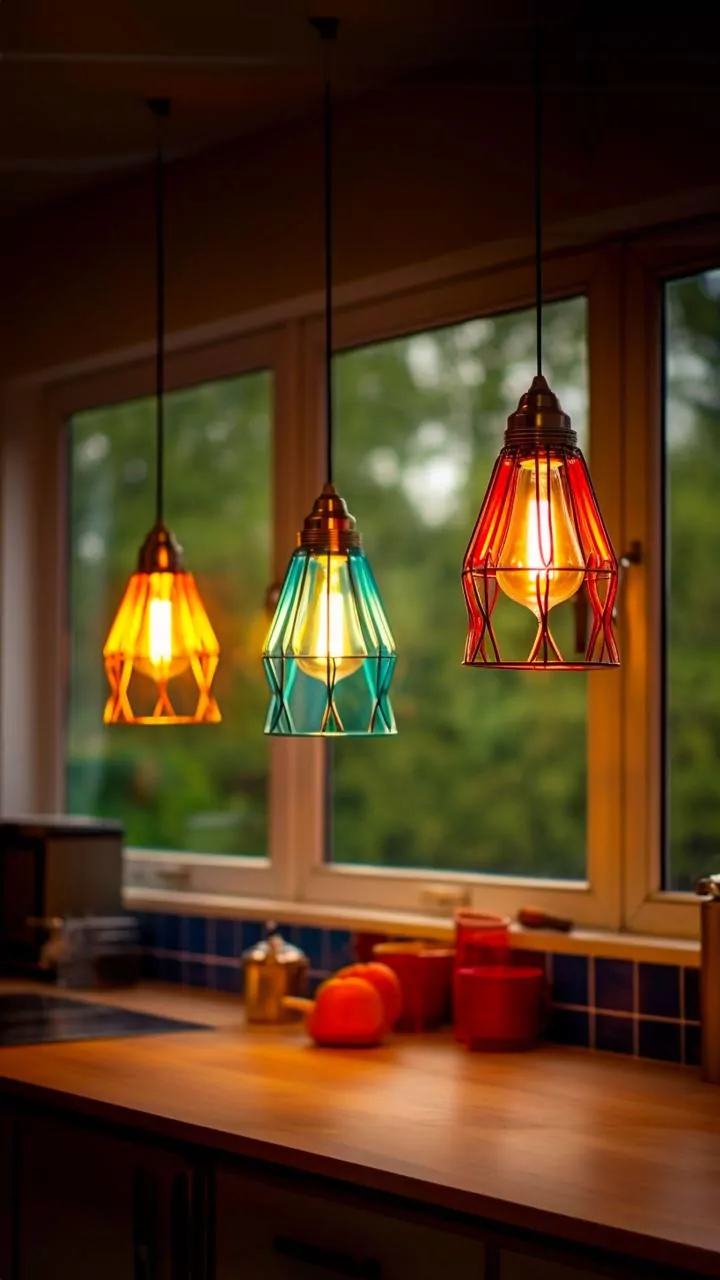
Generic lighting solutions, such as basic overhead fixtures or uninspired lamps, can often diminish a bedroom's ambiance. To combat this, designers recommend a layered lighting approach. This involves incorporating a variety of light sources at different heights, including sculptural table lamps, wall sconces, and the crucial addition of dimmer switches. Alina Mehrle suggests using materials that create a warm, diffused glow, likening ambient light to 'jewelry in the room.' Unexpected materials like alabaster or ceramic can add a sophisticated touch and contribute to a cozy, inviting atmosphere, transforming the space from functional to fabulous.
Harmonize Your Colors
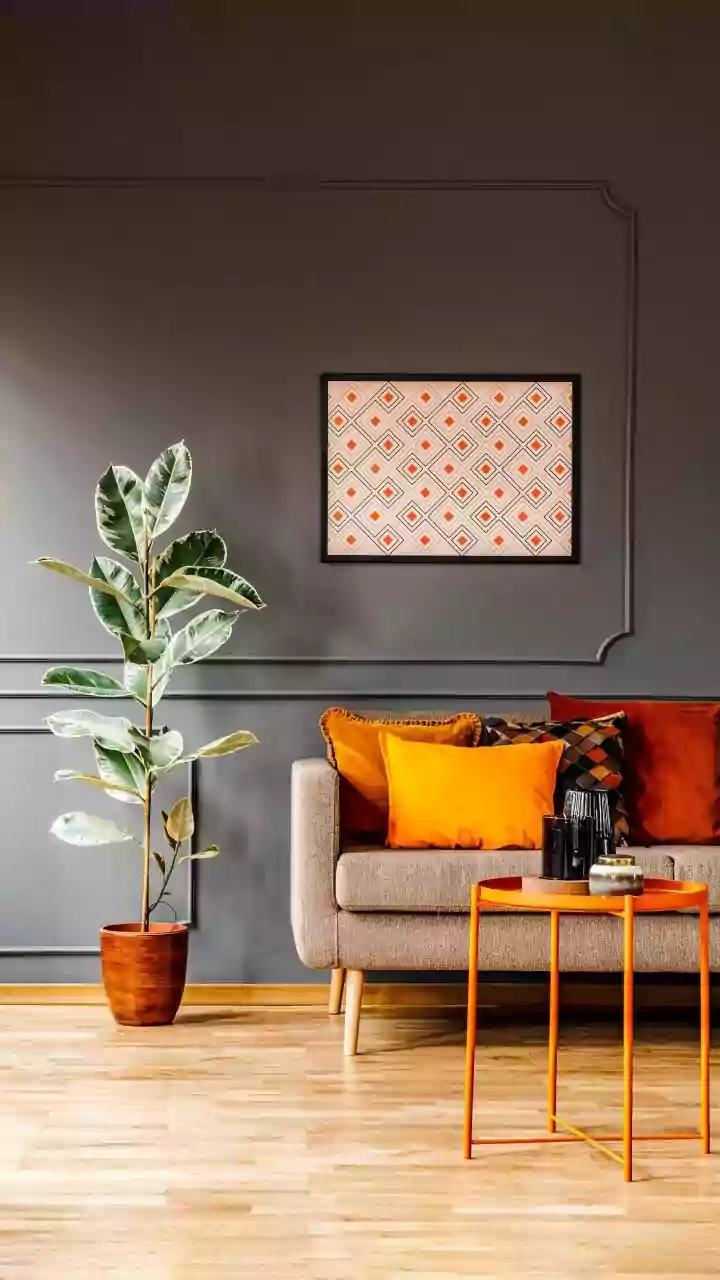
If the bedding and lighting feel right, it's time to evaluate your room's color scheme. A lack of a cohesive palette, whether on the walls or in the decor, can make a bedroom feel disjointed. Interior designer Jasmine Artis advocates for a tonal approach, suggesting the selection of a dominant feature color and pairing it with gentler, complementary hues. This strategy allows for depth and interest without creating visual clutter. Incorporating diverse textures and fabrics within the same color family can further enhance the sense of richness and sophistication, ensuring the room feels unified and harmonious.
Declutter and Organize
A cluttered or haphazardly arranged bedroom can significantly impact your sense of calm and well-being. To rectify this, focus on creating clear pathways and designated zones within the room. Implementing smart storage solutions, such as dual-purpose furniture like benches with built-in storage or tables that offer concealed space, can make a substantial difference. Consider your personal needs: do you require more space for books, or a convenient spot to stow away throw pillows? Tailoring your organization strategy to your specific requirements will help foster a more serene and functional environment.
Strategic Artwork Sizing
The choice and placement of artwork play a critical role in a bedroom's overall aesthetic. Interior designer Barrett Oswald points out that artwork that is too small can often make a room feel unfinished, as if it were an afterthought. Instead, opting for larger pieces is key to making the room feel complete and thoughtfully designed. Proper scale in artwork not only draws the eye but also contributes to a sense of balance and polish, ensuring that the decorative elements enhance rather than detract from the room's intended atmosphere.
Mastering Proportions
Creating a truly personal sanctuary means moving beyond the uniformity often found in hotel rooms. Alina Mehrle advises against having everything in a room be the same height or from the same collection, which can lead to a sterile feel. Instead, she encourages a fearless mix of different periods, textures, and scales. Intentional design is paramount, with careful consideration given to the scale, placement, and layering of elements. Jasmine Artis suggests practical methods, like using painter's tape to visualize furniture arrangements or taking photos to assess layouts, helping to ensure that proportions and placement contribute positively to the room's design.
Embrace Texture and Tactility
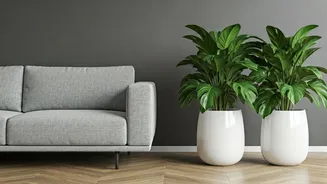
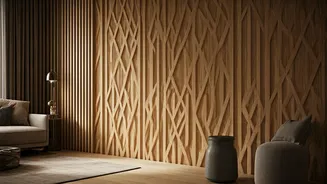
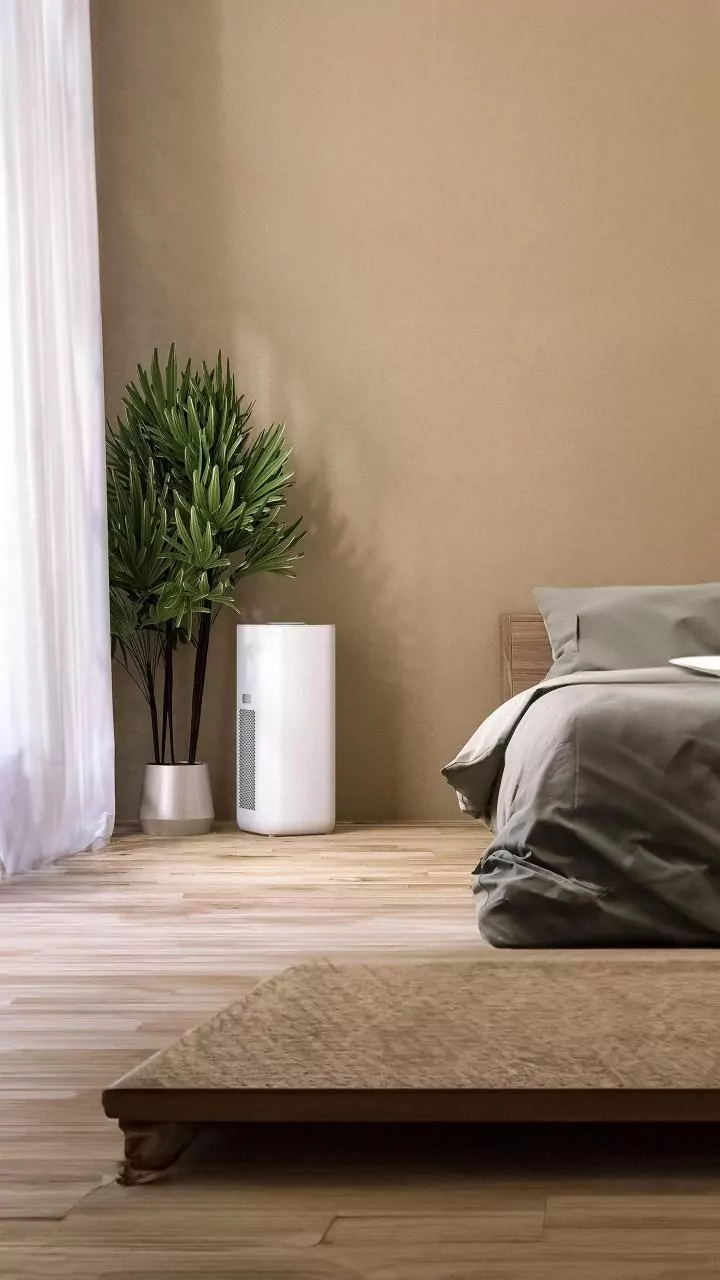
A bedroom should be a sensory experience, and flat, uninviting surfaces can make a space feel sterile. To counteract this, introduce a rich variety of textures, both visually and tactilely, to invigorate the room and imbue it with a sense of comfort. Alina Mehrle highlights the importance of designing for all senses, including scent, sound, and touch, as a bedroom is a place of vulnerability and transformation. Achieving drama in design doesn't necessarily mean a matchy-matchy aesthetic; rather, it comes from the intelligent contrast of different materials and finishes.
Floors and Ceilings
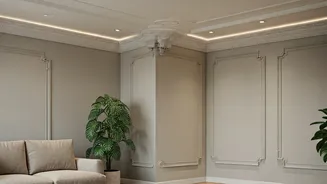
Often overlooked, the floors and ceilings present significant opportunities for enhancing a bedroom's character. Alina Mehrle suggests moving beyond basic beige carpets and white ceilings, which can feel like missed opportunities. Consider statement flooring, such as wide-plank wood, eye-catching patterned tiles, or a substantial rug to anchor the room's design. Similarly, the 'fifth wall'—the ceiling—can be transformed with a fresh coat of paint or decorative wallpaper. Giving these often-neglected areas attention can profoundly elevate the room's overall appeal and create a more cohesive and engaging space.