





Ragi's Nutritional Champion
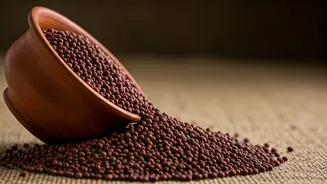
Ragi, or finger millet, is being highlighted for its immense nutritional value, particularly for infants and growing children. This ancient grain is recognized
as a superfood due to its dense offering of essential nutrients. It stands out as one of the healthiest grains available, providing a foundational element for a child's developing body. Its rich profile supports critical aspects of growth, making it a wise dietary choice for parents seeking optimal nutrition for their little ones. The simplicity of its preparation into dishes like ragi kanji makes it an accessible and effective way to ensure children receive a powerhouse of vitamins and minerals from an early age.
Calcium and Iron Richness
Ragi is particularly lauded for its significant calcium content, which is absolutely vital for the robust development and lasting strength of bones in babies and growing children. This high calcium level assists in warding off bone-related ailments such as rickets. Furthermore, finger millet is a commendable source of iron, an indispensable mineral for preventing anemia. Adequate iron intake ensures efficient oxygen transport throughout the body, a crucial factor for infants as they transition to consuming solid foods. This dual benefit of calcium and iron makes ragi a cornerstone for supporting physical development and preventing common nutritional deficiencies in young individuals.
Digestive and Antioxidant Boost
The abundance of dietary fiber in ragi plays a crucial role in promoting a healthy digestive system. This fiber content aids in smooth digestion, helps prevent constipation – a common concern for babies starting on solids – and fosters a thriving gut environment. Beyond its digestive benefits, ragi is also a rich source of antioxidants. These powerful compounds work to combat harmful free radicals within the body, thereby significantly boosting the immune system and offering protection against various illnesses. This combination of digestive support and immune enhancement makes ragi a holistic food choice for children's well-being.
Stable Energy and Growth
Ragi possesses a low glycemic index, which means it causes a gradual release of glucose into the bloodstream. This characteristic is instrumental in maintaining stable blood sugar levels, preventing abrupt energy spikes and subsequent crashes. For individuals managing diabetes or insulin resistance, this makes ragi a beneficial option. Additionally, ragi contains essential amino acids like methionine and lysine, which are fundamental building blocks for overall growth and development in children. These nutrients are crucial for proper tissue formation and various metabolic processes, contributing to a child's healthy physical and cognitive progression.
Introducing Ragi Kanji
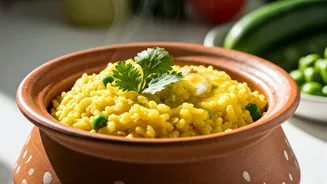
Ragi kanji, a traditional porridge made from finger millet, is exceptionally easy to digest and can be introduced to babies as early as six months of age, following consultation with a pediatrician. Its preparation is straightforward: ragi flour is simmered in water or milk until it achieves a smooth, porridge-like texture. To enhance its appeal and nutritional value for infants, it can be lightly sweetened with a touch of jaggery or pureed fruits. This simple yet potent dish offers a gentle introduction to solid foods, providing a nutrient-dense meal that supports healthy development from the very beginning of a child's dietary journey.